
 A
A
It’s 6:10 a.m. in my kitchen, the house silent except for the soft clatter of a hand grinder and the gurgle of a kettle coming alive. I’ve been brewing coffee professionally and obsessively for years behind the bar, at cuppings, and every single morning at home. The ritual grounds me before the day floods in. If you’re asking how to brew better coffee at home, I’ll tell you the same thing I tell friends who come by with bags of beans and questions: it isn’t fancy gear that makes the biggest difference. It’s getting a few fundamentals right fresh beans, grind size, water, and ratio no matter your brewing method.
Why Fundamentals Beat Fancy Gear: The Real Secret to Better Coffee at Home
If your coffee tastes flat, bitter, or just “off,” don’t blame your lack of a $500 espresso machine or a shiny grinder. The foundation of brewing great coffee at home is always fresh, well-roasted beans, the right grind for your method, clean water at the right temperature, and a consistent coffee-to-water ratio. Gear helps, but no piece of equipment can rescue stale beans or bad water.
- Fresh beans: Coffee stales shockingly fast within weeks, sometimes days, of roasting. I buy whole beans in small amounts, maybe 200g at a time, and use them within two weeks of roast date. Pre-ground coffee? Only in emergencies. The aroma is gone before you even open the bag.
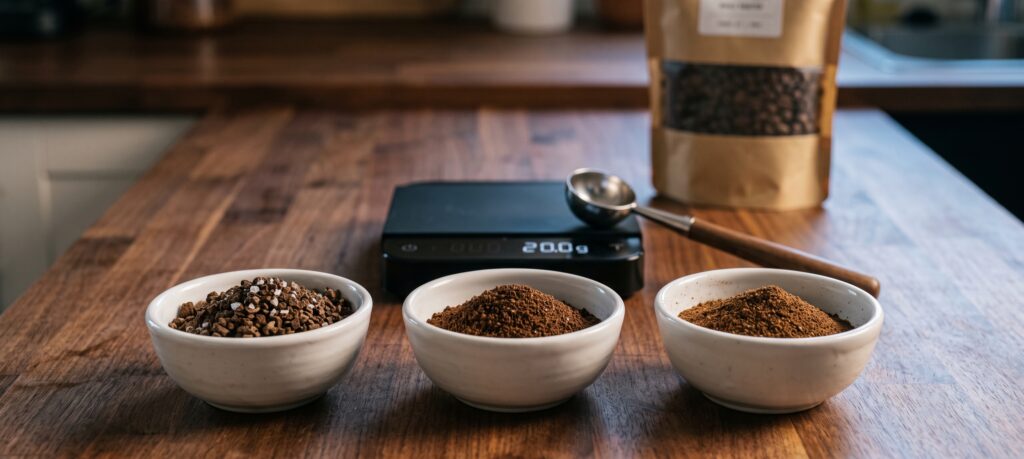
- Grind size: This is where most home brewers go wrong, and I’ve ruined more than one batch by guessing. Each brew method demands a different grind: French press wants coarse, like sea salt. Pour-over needs medium-fine, about the texture of table salt. AeroPress sits somewhere in the middle think sand or slightly finer. Too fine and you over-extract: bitter, dry, almost ashy. Too coarse and you under-extract: weak, sour, thin.
- Water quality and temperature:
I learned this the hard way the first time I made coffee with hard tap water, every cup tasted muddy, no matter what I did. Filtered water is best, with a mineral content (TDS) around 100-150 ppm. As for temperature, aim for just off the boil, about 200°F (93°C). Water that’s too cool (below 195°F/90°C) will leave your coffee flat; too hot and you’ll scorch the grounds. - Coffee-to-water ratio:
I measure every time. The sweet spot for most methods is 1:16 by weight say, 20g coffee to 320g water. Too much coffee? Overpowering and harsh. Too little? Watery and hollow.
French Press, Pour-Over, AeroPress: Which Coffee Brewing Method Is Right for You?
Choosing a brewing method is as much about feel and ritual as it is about flavor. Here’s what I tell people who ask, “What’s the best way to brew coffee at home?” The answer: it depends on what you want from your cup and your morning.
French Press: Full-Bodied, Unfiltered Comfort
- Direct answer: French press is for those who want a rich, heavy-bodied cup with minimal fuss. Coarse grind, 4 minutes steep time, and a metal filter mean you get all the oils and fine sediment a tactile, cozy drink.
- Effort: Simple just steep and plunge. The downside: cleanup is messier, and the cup’s always a bit cloudy.
- Sensory cue: A good French press bloom (the foamy top when you first pour hot water) smells nutty, sweet, and a little wild. If your coffee tastes muddy or sludgy, try a slightly coarser grind or skim off surface grounds before plunging.
Pour-Over: Clean, Bright, and Focused
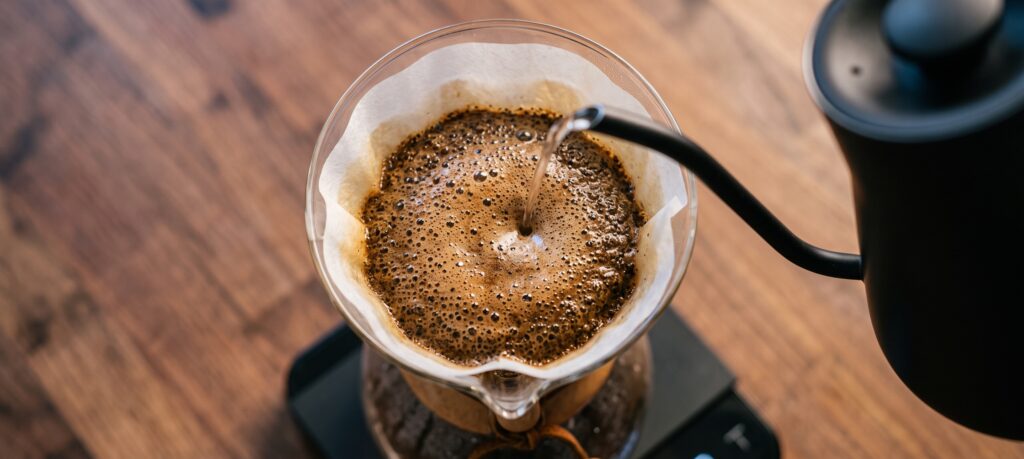
- Direct answer: Pour-over (Chemex, Hario V60) is all about clarity and nuance a method for those who want to taste the unique character of each bean. Use a medium-fine grind, paper filter, and pour water in slow spirals for 2–3 minutes.
- Effort: More hands-on. You’ll need to watch your kettle and time your pours. The reward is a clean, almost tea-like cup with sparkling acidity.
- Sensory cue: A healthy bloom here puffs up like a soufflé, releasing a floral, caramel aroma. If your coffee tastes sour or papery, try a slightly finer grind or increase your water temperature.
AeroPress: Versatile and Quick, With Surprising Depth
- Direct answer: AeroPress is for tinkerers and travelers compact, forgiving, and endlessly customizable. Use a medium grind, steep 1–2 minutes, and plunge. You can make everything from concentrated espresso-like shots to lighter, filter-style brews.
- Effort: Fast and easy to clean. Great for one cup at a time.
- Sensory cue: When you press, you’ll smell a burst of sweetness, almost like cocoa. If your cup is harsh, shorten your steep time or back off on water temperature.
Quick Comparison: French Press vs. Pour-Over vs. AeroPress
| Method | Body | Flavor Clarity | Effort | Best For |
|---|---|---|---|---|
| French Press | Heavy, rich | Low | Minimal | Comfort, big mugs, hands-off |
| Pour-Over | Light, clean | High | Moderate | Bright flavors, ritual lovers |
| AeroPress | Medium, flexible | Medium-High | Minimal | Travel, experimenters, speed |
Why Does My Coffee Taste Bitter or Flat? Common Mistakes and How to Fix Them
Nine times out of ten, when someone asks me why their coffee tastes bitter, flat, or just “off,” it comes down to a few quiet mistakes we all make myself included, especially before I got picky.
- Stale beans: Coffee that’s lost its aroma will taste lifeless, no matter how it’s brewed. Solution: buy smaller amounts, keep beans airtight, and use them quickly.
- Wrong grind size: Over-extracted coffee (grind too fine, or brewed too long) tastes harsh, astringent, almost like chewing aspirin. Under-extracted (grind too coarse, or brewed too fast) is thin, lemony, and unsatisfying. Solution: Adjust grind. For French press, go coarser; for pour-over, go finer. Invest in a burr grinder if you can.
- Bad water: If your tap water tastes weird, so will your coffee. Filtered water, heated to about 200°F, is the baseline.
- Inconsistent ratio: Eyeballing scoops is a shortcut to disappointment. Use a scale. Stick with a 1:16 coffee-to-water ratio and tweak from there based on taste.
Concrete Sensory Examples: Reading Your Brew Like a Pro
- Over-extraction: The cup dries your tongue, lingers with a bitter edge, and smells slightly burnt. Think diner coffee that’s been sitting too long.
- Under-extraction: Tastes like lemons and grass, with no sweetness or body. The aroma is weak, and the cup finishes abruptly.
- Perfect extraction: Balanced, sweet, layered. The aroma fills your nose before you sip; the finish is clean and lingers pleasantly.
Frequently Asked Questions
Why does my home-brewed coffee taste bitter?
Bitter coffee is almost always a sign of over-extraction. This happens when you extract too many organic compounds from the beans. The most common culprits are grinding your coffee too fine, brewing with boiling water that is too hot (above 205°F/96°C), or letting the coffee steep for too long (like leaving coffee sitting in a French press after plunging).
What is the best coffee-to-water ratio for a standard cup?
The golden ratio for a balanced cup of coffee is 1:16 by weight. This means using 1 gram of coffee for every 16 grams of water. For a standard 10-ounce mug, that translates to roughly 18 to 20 grams of coffee to about 300 to 320 grams of water. Using a kitchen scale is the easiest way to keep this consistent.
Can I use tap water to brew coffee?
If your tap water tastes clean and delicious on its own, you can use it. However, hard tap water contains high levels of minerals that can make your coffee taste muddy, flat, or chalky. For the best flavor clarity, use filtered water with a moderate mineral content (ideally around 100–150 ppm TDS). Avoid distilled or reverse-osmosis water with zero minerals, as coffee needs some minerals to extract properly.
How do I know if my coffee grounds are the right size?
Use visual and sensory cues. Coarse grind (for French press) should look like chunky sea salt. Medium grind (for pour-over) should look like gritty sand or table salt. Fine grind (for espresso) should feel like soft flour. If your brewed coffee tastes sour and thin, your grind is too coarse (under-extracted). If it tastes dry and unpleasantly bitter, your grind is too fine (over-extracted).
How long do coffee beans stay fresh after roasting?
Whole bean coffee reaches its peak flavor between 7 and 14 days after the roast date. After about three to four weeks, the delicate aromatic compounds begin to dissipate rapidly, leaving the coffee tasting stale and flat. To enjoy the best flavor, buy beans in small quantities (like 200g to 250g bags) with a clear "roasted on" date, and store them in an airtight container away from direct sunlight.
Where Advice Varies: Beans, Roasts, and Your Taste
Every palate is different, and what I love in a bright Ethiopian might taste sharp to someone who prefers a mellow Colombian. Lighter roasts extract differently than dark, and even grind settings can shift from one bag of beans to the next. Don’t be afraid to tweak taste is personal, and the “best” cup is the one you look forward to.
Frothy Morning Ritual - Art of Brewing Coffee
That first cup, ground and brewed in the quiet, is still my favorite moment of the day. The craft of brewing coffee at home isn’t about perfection or chasing gear it’s about paying attention to a few fundamentals, learning from mistakes, and finding pleasure in the small, sensory details. If you’ve made it this far, go grind some fresh beans, heat your kettle, and brew a cup for yourself. Taste it. Adjust one thing tomorrow. That’s how every great barista and every happy home brewer starts their day.