
 A
A
In the final moments before death, the brain can show brief, organized bursts of activityeven after the heart has stopped. However, whether this means true consciousness persists remains uncertain. Scientists have begun tracking these moments, offering a glimpse into what the mind experiences as life ends.
Defining Consciousness at Death
Consciousness refers to the state of being aware of oneself and one’s surroundings. During death, medical professionals have long wondered if anything of this awareness continues after the heart and breathing stop.
New Insights: Science Observes the Dying Mind
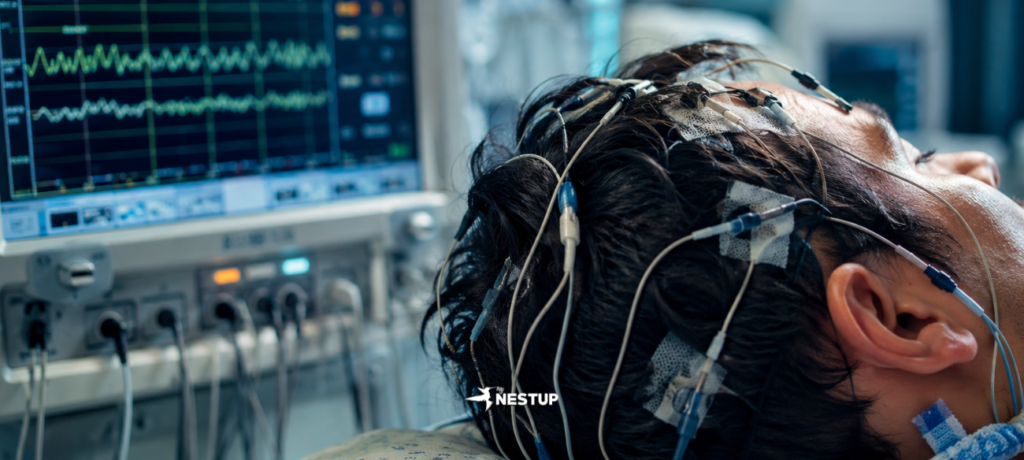
For centuries, the mysteries of death were left to philosophy and religion. Now, with advances in neuroscience, researchers are able to record brain activity in the seconds before and after clinical death. For example, studies using EEGs (electroencephalograms) have revealed sudden surges of high-frequency gamma waves in dying brains. These observations raise new questions about what, if anything, a person experiences as they die.
What Does the Dying Brain Reveal?
Measuring Brain Activity at Life’s End
Historically, scientists had little opportunity to record brainwaves during death, especially in humans. Most patients at the end of life aren’t connected to research equipment. However, rare cases often during the withdrawal of life support have allowed researchers to monitor neural activity in real time.
In one notable study (Borjigin et al., 2013), both animals and a few human patients exhibited a brief surge of gamma brainwaves after the heart stopped. Gamma waves are typically linked to alertness and vivid perception in awake individuals.
Key Brain Regions Involved
These late surges often appear in regions responsible for:
- Vision (occipital lobe)
- Hearing (temporal lobe)
- Memory (hippocampus)
- Sensory integration (parietal cortex)
Importantly, the activity is not random. It is often synchronized, suggesting organized brain function even after clinical death.
Are These Surges Connected to Near-Death Experiences?
Linking Patient Reports and Brain Data
Millions have reported near-death experiences (NDEs), describing sensations like:
- Floating outside the body
- Moving through tunnels or toward bright lights
- Reliving memories
- Feeling peace, unity, or encountering loved ones
Researchers are exploring whether the brain surges observed during death might explain some features of NDEs. For example, changes in visual brain areas could underlie tunnel vision, while memory-related bursts might explain life reviews.
Evidence and Limitations
However, making a direct connection is difficult. Most patients whose brain activity was recorded during death did not survive to describe their experiences. Additionally, survivors of cardiac arrest rarely have detailed brainwave data from the moment of crisis. Therefore, while similarities exist, researchers cannot definitively match each NDE to specific neural patterns.
Scientific Debate: What Do Final Brain Surges Mean?
Competing Theories
Neuroscientists disagree on the significance of these bursts:
- Heightened Awareness: Some suggest these surges could briefly intensify conscious experience.
- Random Firing: Others argue the activity is chaotic, reflecting a breakdown rather than awareness.
- Instinctive Reflex: Another group believes these patterns are basic survival responses, not true thought.
Common Ground
Most agree that organized brain activity can continue briefly after clinical death. However, there is no consensus that this equals real consciousness. The meaning of these flashes remains unsettled.
Ethical Challenges in Studying Death
Barriers to Research
Studying the dying brain involves significant ethical issues:
- Most terminal patients cannot consent in their final moments.
- Families must make difficult decisions about research participation during times of grief.
- Research protocols require strict oversight and advance consent whenever possible.
Additionally, timing is sensitive. Gathering useful data often overlaps with deeply emotional decisions about ending care.
Ethical Limits Shape Knowledge
Hospitals enforce strict boundaries to ensure research never hastens death or compromises patient dignity. Regulations vary by country, influencing which studies can be conducted. These constraints protect patients and families, but also limit what researchers can learn.
Implications for Medicine and Philosophy
Impact on Organ Donation and End-of-Life Care
One major implication involves organ donation. If meaningful brain activity continues after the heart stops, medical teams may need to adjust the timing of organ recovery to avoid any chance of lingering awareness.
For palliative care, these findings prompt ongoing review of comfort measures. If some internal awareness can persist, even briefly, teams must consider how best to ease those final moments.
Rethinking Consciousness and Death
These discoveries challenge traditional beliefs that consciousness ends exactly when heartbeat and breathing cease. While they do not resolve debates about the nature of the mind, they push philosophy toward questions that science can now begin to test.
Frequently Asked Questions
Can someone be conscious after their heart stops beating?
Brief, organized brain activity can persist after cardiac arrest. However, whether this represents real consciousness is still debated. Most people do not recover to describe these moments.
What do these final brain surges feel like?
Direct reports are rare, as most patients do not survive. Survivors of close calls often describe sensations such as floating, vivid memories, intense peace, or bright lights. Some features may align with measured brain activity, but exact matches remain unproven.
Are near-death experiences real or brain-generated?
Research links certain brain patterns under stress or low oxygen to classic NDE features. However, scientists cannot prove every detail of NDEs maps directly to specific brain events, given the challenges of studying dying patients.
Why does lingering brain activity after death matter?
Understanding how long brain activity continues informs safe timing for organ donation and guides comfort care during the last moments of life.
Bottom Line: A New Era in Understanding Death
For the first time, science is capturing signals from the brain at the threshold of death. While many questions remain, these findings challenge assumptions and open new lines of inquiry for both medicine and philosophy. As technology advances, we may move closer to understanding the final moments of consciousness bringing clarity to a mystery that has persisted for generations.