Home Blog Page 20

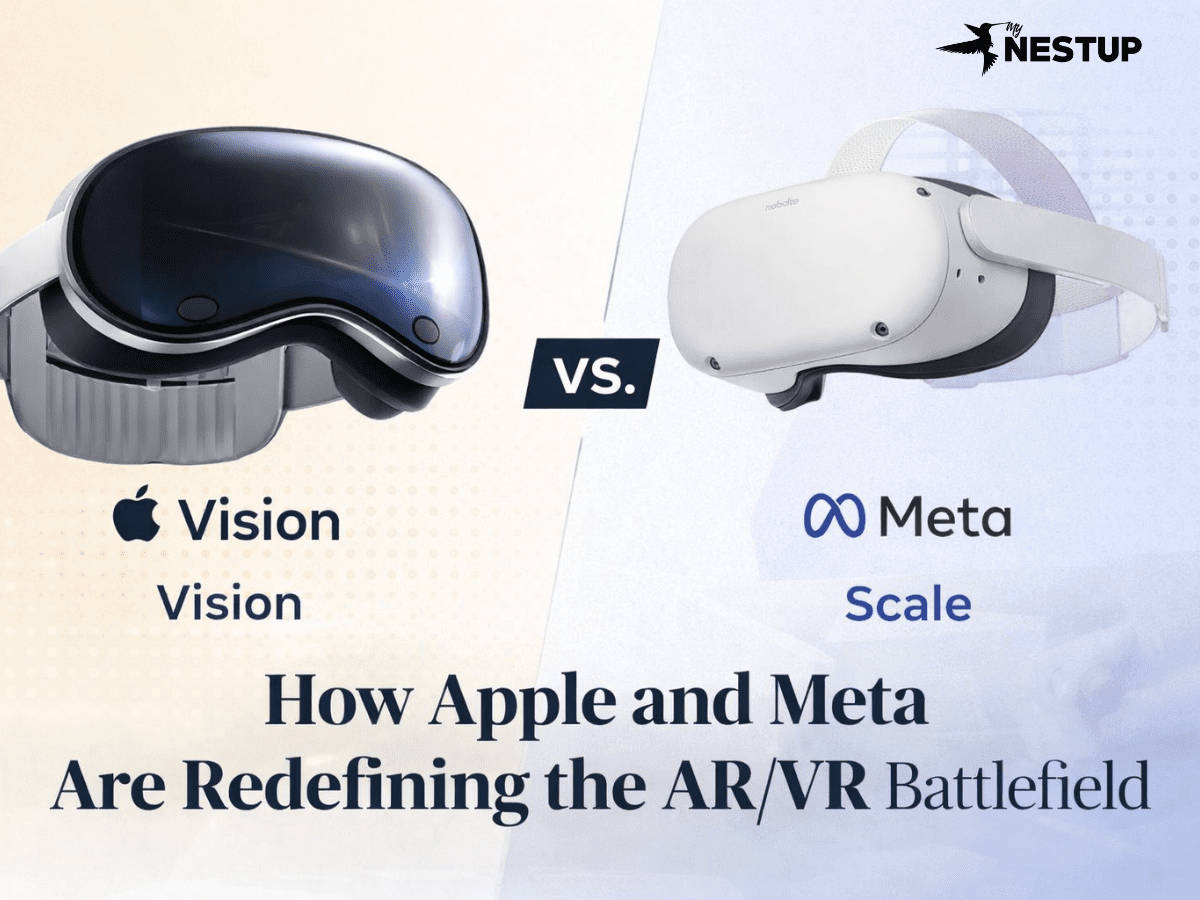
Vision vs. Scale: How Apple and Meta Are Redefining the AR/VR Battlefield.

0
ar vr battlefield

Spatial Computing with AR/VR:

Spatial computing is a fast-growing technology that basically brings the digital and physical worlds together. Instead of using a screen or keyboard, it lets people interact with computers in a more natural, immersive way. It includes things like VR, AR, mixed reality, and other extended reality tools. With spatial computing, you can create rich gaming and entertainment experiences, but its use goes far beyond that. It’s becoming helpful in healthcare, education, manufacturing, retail, and many other areas. By blending virtual elements with the real world, spatial computing opens the door to new ways of learning, working, and even communicating. It can make everyday tasks easier, more interactive, and a lot more engaging.

What are AR/VR?

Augmented reality (AR) is something almost anyone can try out because all you really need is a smartphone. That’s why it’s often more practical than VR for things like marketing and gaming. AR adds digital elements like images and animations on top of the real world using your phone’s camera. Instead of taking you out of your environment, it enhances what you’re already seeing. Simply, AR doesn’t replace reality but just adds an extra layer to make everyday life a bit more fun and interactive.

Virtual reality (VR) takes things a step further by placing you inside a completely computer-generated world. Instead of adding digital elements to your surroundings, VR creates an entirely new environment for you to explore. With the help of devices like headsets, sensors, and sometimes gloves, you can step into almost any scene or setting imaginable. It’s an immersive experience that makes you feel like you’ve actually entered another place

Top uses of AR/VR:

Mentioned below are some of the uses of AR:

  • Retail: Focuses on the sale of goods or services from a business directly to a consumer, typically in small quantities for personal use.
  • Entertainment and gaming: Involves the creation and provision of amusement, diversion, or pleasure. This ranges from films, music, and sports to interactive video games.
  • Navigation: The process of planning and controlling the movement of a craft or vehicle from one place to another, involving determining position and direction.
  • Tools and measurement: Encompasses the design, manufacture, and application of devices (tools) and the process of quantifying physical attributes (measurement) to aid in work or analysis.
  • Art and architecture: Art is the expression of human skill and imagination, while Architecture is the art and science of designing and constructing buildings.
  • Military: Pertains to the armed forces of a nation, structured and trained to conduct warfare and defend national interests.
  • Archaeology: he scientific study of human activity through the recovery and analysis of material culture, such as artifacts, architecture, and biofacts, often from historical sites.

Mentioned below are some of the uses of VR:

  • Healthcare: VR is used for surgical training and medical education by providing risk-free and immersive simulations. Also for pain management and physical therapy through engaging, distracting environments.
  • Automotive: Utilized in vehicle design and prototyping to visualize and test virtual models quickly. It is used for employee training and virtual showrooms to enhance the customer experience.
  • Retail: It creates virtual showrooms and online stores for customers to view. It also helps to customize products and enables virtual try-ons of clothing or makeup before purchasing.
  • Real estate: VR allows potential buyers to take immersive virtual property tours of existing or unbuilt homes from anywhere. It facilitates virtual staging and design visualization.

Benefits of Spatial Computing (AR/VR):

The reason everyone is getting excited about Augmented Reality (AR), Virtual Reality (VR), and spatial computing is simple that is because they make our digital world feel real and much more useful. This technology is a huge step up, moving us past flat screens into immersive simulations that dramatically enhance training and skill acquisition. When it comes to the workplace, it’s revolutionizing how remote teams function. It is enabling improved productivity and collaboration by making it feel like we’re all physically together, even when we’re thousands of miles apart. Spatial Computing just makes tech easier to use by offering more intuitive user experiences where we interact with digital content naturally, without complex menus.  It also enables advanced data visualization by letting us walk through information to make better and faster decisions. Whether you’re performing a delicate task that requires greater precision and safety or you’re a business looking for new ways to boost customer, spatial computing provides genuinely new possibilities.

Apple Vision Pro:

When Apple showcased the Vision Pro, they weren’t just dropping another gadget; they were essentially saying, “The way we use computers is about to change.” This thing is a serious piece of kit. It’s a sleek headset packed with incredible technology. It has super crisp and high-res screens. Also, it watches exactly where your eyes are looking and recognizes your hand movements. The result is an experience that feels genuinely immersive. What really sets the Vision Pro apart is how it works, as listed below:

  • It blends worlds: Digital apps don’t just take over your view; they are integrated seamlessly into your actual environment. You can literally see your real room while interacting with your digital windows.
  • Smart placement: The device has “spatial awareness,” meaning you can drag and drop digital windows or objects and position them exactly where you want them to stay in your room.
  • No controllers needed: You use the most natural interfaces possible, your eyes and your hands to control everything.

Ultimately, the Vision Pro is much more than a fun distraction. Apple built this to be a comprehensive tool: it’s a killer productivity booster, an entertainment hub, and a clever communication device, all rolled into one futuristic package.

Meta Quest:

If Apple is going for the high-end, premium experience, Meta is definitely focused on bringing spatial computing into everyone’s hands. Their strategy with devices like the Meta Quest 3 focuses on accessibility. It’s way more affordable and easier to find, which is why it’s the headset that’s actually introducing the masses to this new kind of technology. Features of Meta are listed below:

  • Mixed Reality is key: It’s not just a sealed-off VR world anymore. The Quest 3 has great Mixed Reality (MR) features that cleverly combine the virtual with views of your actual room.
  • It started with games: It is a gaming powerhouse! It’s fantastic for immersive titles like Beat Saber or Asgard’s Wrath, which is how a lot of people initially experience VR.
  • But it does work, too: They’re also pushing hard on work and collaboration tools, like virtual whiteboards and meeting rooms, showing their utility beyond entertainment.

Essentially, Meta’s whole goal is to make spatial computing social and scalable, turning it into a mainstream platform instead of a niche gadget.

Future scope for Spatial Computing:

It’s exciting to think about the future of spatial computing, especially since we’re truly only in the very early days of this technology.  The clunky headsets we see today are quickly going to evolve into much slimmer, glasses-like frames. Eventually, the ultimate goal is revolutionary AR contact lenses that blend the digital world seamlessly with our own. This shift will enable fully immersive virtual environments, not just for gaming, but also for serious work.  Collaboration is completely changing how we interact with information and each other. Crucially, we’ll be guided by AI-powered spatial assistants that are smart enough to know our preferences and help us navigate both the physical and augmented worlds around us. This entire ecosystem is so comprehensive and powerful that many experts predict spatial computing will eventually replace the smartphone as our primary device altogether.

Conclusion:

Spatial computing is fundamentally changing how we interact with technology by merging the digital and physical worlds. It is offering a much more natural, immersive experience than flat screens or keyboards. This umbrella term includes Augmented Reality (AR), which enhances your existing view by adding digital layers. Virtual Reality (VR) completely immerses you in a computer-generated environment using headsets for high-impact applications like surgical training and advanced gaming. The benefits are enormous, ranging from greatly improved training and skill acquisition to revolutionizing remote work through better collaboration, all while providing more intuitive user experiences. The current landscape is defined by devices like the Meta Quest, which focuses on mainstream accessibility and gaming. Then there is the premium Apple Vision Pro, which seamlessly blends digital windows into your real environment, controlled solely by your eyes and hands. This technology is expected to evolve rapidly from today’s headsets into sleek glasses and eventually AR contact lenses. Guided by AI assistants, it is predicted that spatial computing will ultimately replace the smartphone as our primary computing device.

References:

https://www.ibm.com/think/topics/augmented-reality

https://research.aimultiple.com/virtual-reality

https://www.techtarget.com/whatis/definition/augmented-reality-AR

https://sopa.tulane.edu/blog/whats-difference-between-ar-and-vr

Unleashing the Robots: How RPA is Reshaping Enterprise Processes

0
Unleashing the Robots How RPA is Reshaping Enterprise

Robotic Process Automation (RPA) is the use of smart software, and it is often called “software robots”. It takes over the mundane and repetitive tasks that human employees typically do in an office. This includes simple yet high-volume activities like extracting data, filling out forms, or moving files between different computer systems. The software works by running scripts that perfectly mimic a person’s actions. By utilizing both underlying application connectors (APIs) and screen movements (UI interactions) to seamlessly execute processes across various. RPA is purely rule-based; it performs these business activities quickly and consistently at a massive scale. This frees up the human workforce to concentrate on more complex and strategic assignments.

RPA and AI:

RPA and Artificial Intelligence (AI) are often mistakenly grouped, but they are fundamentally distinct technologies. AI is a sophisticated field that encompasses things like machine learning (ML), natural language processing (NLP), reasoning, and complex analysis. The critical difference is that RPA is driven by following a defined process, while AI is driven by analyzing data. An RPA bot can only perform the exact, predetermined steps it is programmed to do, whereas an AI bot uses machine learning to identify patterns within data and continuously learn and improve over time, particularly with unstructured information. Simply, AI aims to replicate human intelligence, while RPA is only focused on strictly mimicking human-directed tasks. Despite this difference in how they automate processes and reduce manual intervention, RPA and AI are highly complementary. AI can lend its intelligence to RPA, enabling it to handle more complex scenarios and automate tasks more fully, while RPA provides a swift mechanism to take action on the valuable insights generated by AI.

Benefits of Robotic Process Automation (RPA):

  • Easier to Use: With RPA, businesses don’t always need a software developer to set it up. Because it often uses simple drag-and-drop features, even non-technical staff can learn to configure it.
  • Saves Money Quickly: RPA takes over a lot of work, which frees employees to focus on more important tasks that require human thinking. This boost in productivity means businesses get a good return on investment sooner.
  • Happier Customers: Bots and chatbots can work 24/7. This means customers don’t have to wait as long for service or a response, leading to them being more satisfied.
  • Better for Employees: When robots handle the boring, repetitive, and high-volume work, team members can shift their focus to more strategic and interesting decision-making. This change tends to make employees happier in their jobs.
  • More Accurate and Compliant: You can program RPA robots to follow specific rules and workflows perfectly every time. This drastically cuts down on human errors, especially in areas that require high accuracy and compliance. The system also creates an audit trail and making it simple to track progress and fix problems quickly.
  • Works with Your Current Systems: RPA software doesn’t mess with businesses’ existing IT systems. The bots work on the surface layer of applications, so companies can start using them even when they don’t have a way to build a deep connection or the resources to do so.

Uses of RPA:

Robotic Process Automation is used in many industries to make their business operations more efficient and easier.

Banking and Finance:

In the case of banking and finance, more than a third (36%) of all places where RPA is used are in finance. This is valid because banks were the pioneers to start automating their work. Banks deploy thousands of software high-volume data entry tasks. Usually, they are repetitive rule-based tasks, which is why automation is required there. Essentially, the bots help with tedious tasks like checking on customer information, opening new customer accounts, processing customer inquiries, and helping with anti-money laundering checks.

Insurance:

The insurance business is fundamentally built on many repetitive tasks that are perfectly suited for being taken over by automation. Because so many of these jobs follow strict rules and are done repeatedly, they are great candidates for Robotic Process Automation (RPA). This technology can be applied across some of the most critical parts of the business, including speeding up how claims are processed. It also ensures that the company meets complex regulatory requirements, managing the lifecycle of customer policies. It also helps with detailed underwriting assessments. By using bots for these processes, insurance companies can significantly boost efficiency and accuracy.

Retail:

The rapid growth of online shopping has made automation (RPA) a crucial tool for the modern retail industry. This technology is instrumental in smoothing out operations that happen behind the scenes, like administrative and data work. Retailers use this type of automation across many essential functions. Common applications include systems for managing customer relationships and organizing the entire process from taking an order to shipping it. This involves complex warehouse and order management. Additionally, bots are employed to quickly analyze large amounts of customer feedback and to enhance fraud detection efforts. Automation helps the retail sector efficiently manage the complexities of digital sales and provides an improved journey for the shopper.

Healthcare:

In healthcare, getting things exactly right and following all the rules (accuracy and compliance) is incredibly important. That’s why some of the world’s biggest hospitals now use automation software, known as RPA, to make their administrative work much better. These systems help streamline how patient information is managed and organize the flow of prescriptions. It also speeds up the complicated process of insurance claim processing and even optimizes patient payment cycles. Essentially, hospitals are relying on these automated tools to reduce errors and handle a wide variety of administrative tasks more efficiently.

Conclusion:

The increasing adoption of Robotic Process Automation (RPA) in major healthcare institutions marks a significant and necessary evolution in administrative work. In an environment where the stakes for accuracy and compliance couldn’t be higher, RPA serves as a vital tool to reduce the risk of human error in critical processes. By automating tasks like managing patient information, organizing prescription flows, accelerating complex insurance claim processing, and optimizing patient payment cycles, hospitals are fundamentally improving their efficiency. This shift ensures that administrative duties are handled with greater speed and reliability, allowing healthcare professionals to focus less on paperwork and more on patient care. Ultimately, the embrace of automation is helping hospitals deliver better, faster, and more dependable services.

References:

https://www.ibm.com/think/topics/rpa

https://www.techuk.org/resource/robotic-process-automation-industry-adoption-trends-and-benefits.html

https://www.sciencedirect.com/org/science/article/pii/S1062737524000398

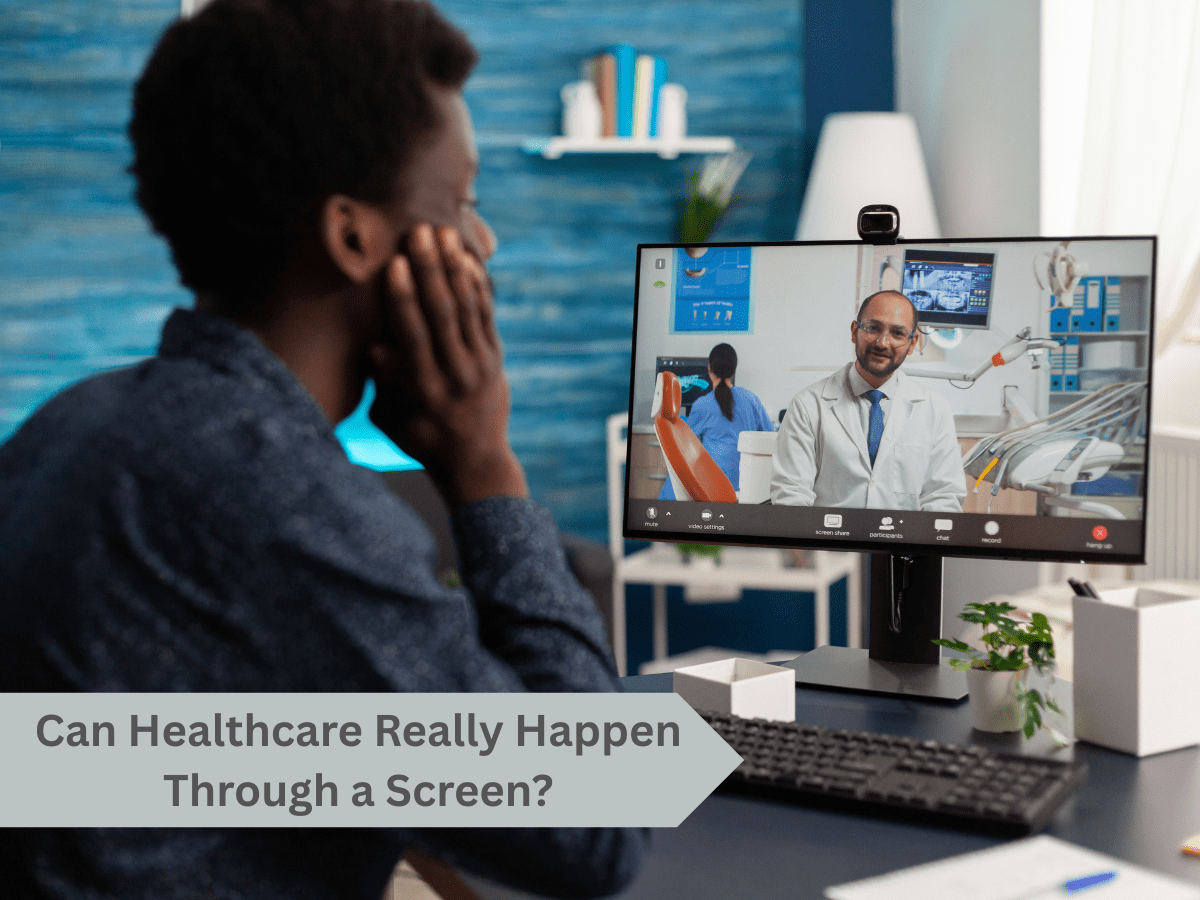
Telehealth Goes Mainstream: What It Means for Patients and Providers

0
Telehealth

What is Telehealth?

Telehealth basically means using digital tools like your phone, tablet, or computer, to connect with your doctor and manage your health without having to be there in person. Sometimes you use it from home and other times a nurse or health professional might use it from a clinic,, especially in rural or hard-to-reach areas. It also includes the behind-the-scenes technology your care team uses to streamline and support your treatment.

Telehealth, often called e-health or m-health, is designed to do things like:
• Make it easier for people in remote or rural areas to get care
• Keep everyone safer during outbreaks or infectious illnesses like COVID-19
• Provide everyday primary care for a wide range of conditions
• Help people who have limited mobility or transportation get the services they need
• Give quicker access to specialists
• Improve communication and coordination among your health care team
• Offer guidance so you can better manage your own health

A lot of people started using telehealth during the pandemic and realized how convenient it is. So, it has continued to grow and become a bigger part of everyday health care.

Telehealth

Advantages:

• Telehealth saves time and money:
One of the biggest benefits of telehealth is how much it cuts down on unnecessary travel. Patients do not have to spend hours on the road or pay for transportation just to see a doctor. A quick virtual check-in often replaces a full trip. This makes care a lot more convenient and affordable.
• Doctors get real-time patient data:
Telehealth tools let doctors receive important readings like blood pressure, glucose levels, or oxygen saturation from patients at home. This regular flow of information helps them make accurate and fast decisions instead of waiting weeks for an in-person appointment.
• Remote patient monitoring supports long-term care:
Remote patient monitoring (RPM) has become essential. Especially with health systems moving toward value-based care. These tools help patients stick to their treatment plans and flag early warning signs. It ultimately leads to better outcomes and fewer hospital visits.
• Virtual visits make providers more efficient:
For physicians, telehealth helps organize schedules more smoothly. It reduces the number of missed appointments and allows doctors to see more patients. Avoiding the downtime that typically comes with in-person visits.
• Patients benefit from less stress and fewer expenses:
Beyond saving travel time, telehealth also reduces the stress of taking time off work or arranging childcare. For many people, a 15-minute virtual visit is far more manageable than spending half the day at a clinic.
• A lifeline for rural and underserved communities
Telehealth is especially powerful for people who live far from a hospital or face shortages of specialists. It bridges the gap by making quality care available to people who would otherwise have to travel hours for the same treatment.
• Research shows it reduces costs and unnecessary hospital use
According to a report from the Institute of Medicine, telehealth has helped rural hospitals reduce preventable readmissions and emergency room visits. That means lower costs for both patients and healthcare systems.
• Adoption has surged over the past decade
Telehealth has grown rapidly. From about 35% of U.S. hospitals offering some form of virtual care ten years ago to roughly 76% today. That jump shows how quickly remote care has moved from being optional to almost standard.
• COVID-19 accelerated its importance
During the pandemic, telehealth became a safe alternative to in-person visits. Many people preferred virtual appointments to avoid exposure, and that shift pushed telehealth into the mainstream faster than anyone expected.

Challenges:

• Limited digital access:
Not everyone has a fast internet connection or the confidence to use digital tools. This digital gap affects both patients and providers. It makes it hard for some people to fully benefit from telehealth services.
• Low patient engagement:
Virtual visits can feel less personal. Without face-to-face interaction or body language cues, patients may feel less connected. This can lead to missed appointments or less willingness to open up during a session.
• Privacy concerns:
Keeping patient information secure is a major challenge. Telehealth platforms need strong cybersecurity and providers must follow strict regulations. Any weak point puts sensitive data at risk.
• Clinical limitations:
Telehealth is not a complete replacement for in-person care. Certain conditions require physical exams, procedures, or diagnostic tests that simply can’t be done through a screen.
• Workflow disruptions:
Poor integration between telehealth tools and existing clinic systems can create scheduling conflicts and communication delays. This disrupts the flow of both administrative and clinical work.
• Licensing and reimbursement issues:
Different states and regions have their own rules about who can provide telehealth care and how much insurance will cover. These inconsistent policies slow down adoption and make it harder for doctors to treat patients across borders.
• Low satisfaction for some users:
When people struggle with unfamiliar platforms or run into technical problems, it reduces their confidence in virtual care. This can make telehealth feel frustrating rather than convenient.
• Technical failures:
Dropped calls, frozen screens, lag in videos, and app crashes interrupt appointments and weaken trust in digital care. Even small glitches can derail a consultation.

While telehealth comes with its share of challenges, they are not insurmountable. With the right tools and systems in place, clinics can boost patient engagement and make their operations run smoothly.

Telehealth

References:

https://www.mayoclinic.org/healthy-lifestyle/consumer-health/in-depth/telehealth/art-20044878

https://telehealth.hhs.gov/patients/why-use-telehealth

https://www.health.harvard.edu/staying-healthy/telehealth-the-advantages-and-disadvantages

https://www.healthrecoverysolutions.com/blog/common-telehealth-challenges-and-how-to-overcome-them

The AI Marketing Playbook: Smarter Strategies for Better Results

0
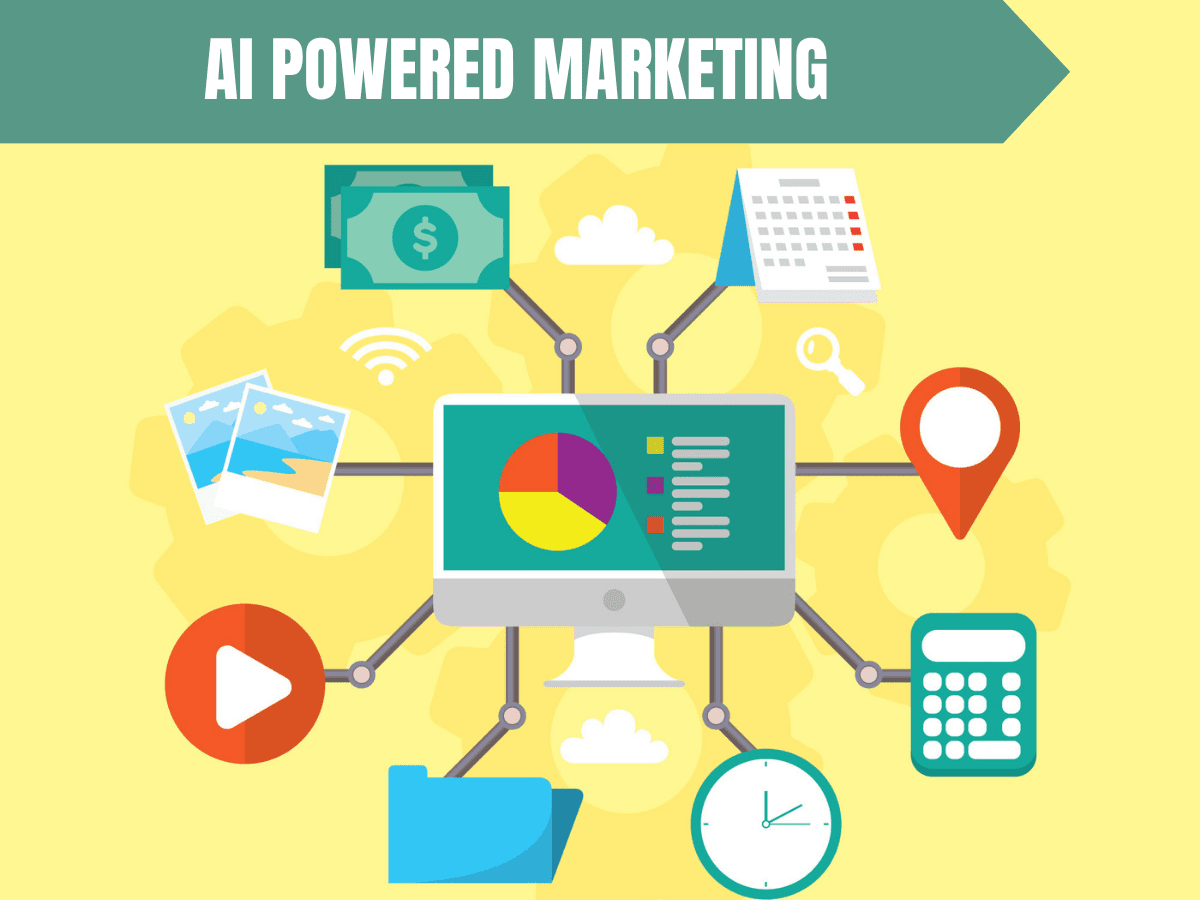
The AI Marketing Playbook Smarter Strategies for Better Results

What is AI marketing?

The popularity of AI is skyrocketing, and the field of marketing has been benefiting the most from it. With the help of artificial intelligence (AI), marketing is utilizing AI capabilities. This includes data collection, data-driven analysis, Natural Language Processing (NLP), and Machine Learning (ML) to gain customer insights and automate essential marketing choices. The technologies are being used to generate content, boost team efficiency, enhance customer experience, and deliver precise marketing outcomes. Around 72% of companies globally had adopted AI by 2024, which shows the widespread adoption of AI in businesses. The rise of generative AI has been particularly impactful for marketing departments.

The AI Marketing Playbook

Benefits of using AI marketing:

Marketing teams in this era are equipped with modern AI tools and cutting-edge technologies that impact their marketing tasks. By using AI marketing tools, businesses can now create AI marketing strategies and analyze data faster than humans. Listed below are a few benefits of using AI marketing;

  • Smarter and Faster decision-making: Speed might be the key to achieving goals in a provided timeline, but so is accuracy. Because when you have a complex problem or a new opportunity, you cannot waste time arguing or guessing. Modern tools let you see real-time data instead of relying on gut feeling. This means managers can quickly check the facts and understand the immediate impact of an action. After that, they can decide on the best path forward in minutes and not weeks.
  • Improved return on investment (ROI) on marketing initiatives: Marketing costs money. Businesses want every dollar spent to bring back more than a dollar in sales. With the help of analyzing customer data, businesses can stop running ads that do not work and spend more on campaigns that actually bring in sales. With the help of analyzing customer data, they can stop running ads that do not work for their target audience and spend more on campaigns that actually bring in sales. This cuts out wasted ad spend.
  • More accurate measurements of KPIs: The scorekeeping metrics for businesses are the KPIs, like sales and volume, or customer retention rate. With this, the businesses know if their business is winning or losing. Advanced systems automatically collect and combine data from all parts of the business, like websites or customer services. This removes the chance of human errors and ensures everyone is looking at the same trusted number.
  • Enhanced customer relationship (CRM) capabilities: A good relationship makes customers happy and more likely to buy again. A strong CRM system gathers all interactions with a customer through emails, support calls, purchases, and website visits into one profile. Customer service agents can give personalized help, and sales reps know exactly what the customer needs next. Every customer feels like they are being treated as an individual, which builds deep loyalty.

Best tools for AI marketing:

AI marketing tools are smart software that connect your existing marketing software and help achieve marketing goals in smart and efficient ways. They use powerful AI, like LLMs, to add a layer of intelligence to your work. To help you automate repetitive tasks and create new content much faster than before, without needing to be an AI expert. While these tools once used simpler computer algorithms, the new wave uses advanced LLMs to make automation much smarter and more capable. This is changing how marketing teams used to work, boosting their productivity.

Listed below are some of the AI tools:

  • Jasper
  • Surfer SEO
  • Ocoya
  • Grammerly
  • Pictory AI
  • Lately
  • Otter AI
  • Adzooma
  • Tidio
  • GrowthBar

Best practices for using AI in marketing:

With a wide range of AI tools to help grow businesses, marketers should know how to use AI in marketing effectively. Businesses need to focus on several crucial areas related to data and talent:

  • Preparation and Data Quality: The AI’s results and decisions will be ineffective if the training data is flawed. This is because these systems are only as good as the information they learn from. So, the companies need to clean and standardize their datasets to ensure data accuracy.
  • Robust Data Infrastructure: AI has the ability to move information quickly across different systems. The businesses need to build strong data pipelines and use cloud infrastructure to guarantee real-time data processing.
  • Focused AI training: For a new marketing task, AI needs specific training just like new employees. This often requires a large amount of customer preference data. It sometimes also needs specialized data scientists. Leading companies are developing custom AI tools trained on datasets specific to their company or task, which boosts the technology’s performance.
  • Strong Data Governance: Companies need to follow strict consumer data laws as AI uses personal customer data. A company’s reputation could be damaged if they do not comply with the regulations. Transparent practices about how AI is built and used are essential for building consumer trust.
  • Monitoring and Optimization: Marketers need to define clear goals for AI solutions before launching. These AI tools need continuous monitoring and reviewing after deployment. They need to make sure that the tools are meeting the performance benchmarks that were established.
  • Upskilling Employees: Training sessions and change management systems help employees adapt to new AI tools. This helps employees adapt to new AI tools, which maximise the effectiveness of technology and also help staff identify tasks that still require human judgment.

Conclusion:

AI marketing uses artificial intelligence technologies such as machine learning and natural language processing analytics to help businesses better understand their customers. It also helps automate tasks and make smarter decisions. With AI adoption increasing worldwide, marketing teams now rely on advanced tools to create content, analyze data quickly, improve customer experiences, and boost overall results. Tools like Jasper, Surfer SEO, Grammarly, and Pictory AI help teams work more efficiently and increase productivity. To get the most value from AI, businesses need clean and accurate data, strong data systems, proper AI training, and clear rules for using customer information. They also need to regularly monitor AI performance and help employees build the skills required to work confidently with these new technologies.

References:

https://www.marketermilk.com/blog/ai-marketing-tools

https://www.ibm.com/think/topics/ai-in-marketing

https://www.mckinsey.com/capabilities/tech-and-ai/our-insights/the-economic-potential-of-generative-ai-the-next-productivity-frontier

https://professional.dce.harvard.edu/blog/ai-will-shape-the-future-of-marketing

Green Hydrogen’s Boom: VC and Policy Power Up

0
Green Hydrogen's Boom

What is Green Hydrogen:

Hydrogen fuel is produced by electrolyzing water using renewable electricity, such as solar, wind, and hydro power, and is called Green Hydrogen. A unit called an electrolyser is used where this reaction takes place. It is the cleanest form of hydrogen production because it results in zero greenhouse gas emissions. This is because this process splits water into hydrogen and oxygen, and the energy that is used to power this separation comes from clean sources. The principal purpose of this method is to limit global warming and to limit fossil fuel dependence. Basic applications of this type of energy are for shipping, in heavy industry, and in long-term energy storage.

Green Hydrogen

Benefits of Green Hydrogen:

Currently, the world is adopting green hydrogen for energy, as this technique used to obtain green hydrogen helps rapidly reduce the amount of  CO2 emissions. Listed below are some of the benefits and uses of green hydrogen.

  • Environmental Benefits: The most vital benefit of green hydrogen is its sustainability because it doesn’t cause pollution. Neither the process of its production nor its usage releases harmful gases. By eliminating greenhouse gas emissions, this fuel energy majorly helps to reduce carbon footprints.
  • Storage and Versatility: Green hydrogen is remarkably versatile. It can be easily converted into a form of electricity or synthetic energy. Apart from that, hydrogen is very light, which makes it easy to store.
  • Energy Efficiency: A high-density energy source is produced by using technology in hydrogen fuel cells, which is highly energy efficient.

Venture Capital (VC) and government investments:

The governments, along with venture capital (VC), are boosting the concept of green hydrogen by de-risking different parts of the supply chain and markets. With the surge in the funding of solar and wind energy in the last few decades, green hydrogen is going to get major scale-ups.

Government support:

Governments all over the world have been working in support of green hydrogen. By establishing policies that support green energies, to launching major initiatives that accelerate the green hydrogen market. These initiatives include financial funding and national strategies. For example, many countries are implementing measures such as tax reductions and low-interest loans. Apart from that, the governments make national strategies to become green hydrogen leaders. Governments are also working on funding pilot programs that work on critical infrastructure to build hydrogen ecosystems.

Venture capital investment:

VC funding complements government efforts by investing in the innovative technologies that are needed to make green hydrogen activities more competitive. The majority of VC funding, over 95% is directed towards hardware-based startups that focus on tangible assets like electrolyzers and storage. Corporate VC arms, particularly from energy and industrial companies, are the key players. They not only bring capital but also the critical industry expertise and connections to support early-stage ventures.

Synergies between VC and government efforts:

Governments play a very crucial role by offering grants and financial incentives that reduce the initial risk of these large, capital-intensive projects. Significant challenges and the high costs involved in expanding green hydrogen technology are being effectively managed through a partnership between governments and VC firms. These kinds of partnerships and collaborations make projects more appealing and pave the way for private VC investments. Governmental efforts concentrate on creating the essential infrastructure and establishing a market for the product through policies and purchasing requirements. This combined public-private approach is the key to speeding up the adoption of green hydrogen.

Conclusion:

Green Hydrogen is emerging as a foundation of the global clean energy transition and the generation of renewable energy using electrolysis of water. It also guarantees zero greenhouse gas emissions, which helps reduce global warming. Its key appeal lies in its fundamental sustainability and high efficiency, which position it as a solution for enabling long-term energy storage. The momentum behind its adoption is a strong collaboration between the government and venture capital. Where governments mitigate initial risk through financial incentives and infrastructure policies, venture capital complements this by investing heavily in the hardware technologies.

References:

https://www.acciona.com/hidrogeno-verde#:~:text=Also%20called%20renewable%20hydrogen%2C%20green,cleanest%20and%20most%20sustainable%20hydrogen.

https://www.iberdrola.com/sustainability/green-hydrogen

https://www.sciencedirect.com/topics/engineering/green-hydrogen

From Fitness to Medicine: The Expanding Role of Wearable Tech

0

What is Wearable Tech?

Wearable technology refers to electronic devices that are designed to be worn on the body. These gadgets can take up many forms like accessories, jewelry, clothing, or even medical devices. Some of the most advanced wearables include AI-powered hearing aids, as well as VR headsets like Meta Quest and Microsoft’s HoloLens, which act as holographic computers. On the simpler end, you have things like disposable skin patches with built-in sensors that send a patient’s health data wirelessly to a monitoring system at a hospital or clinic.

How Wearable Tech Works?

Wearable technology comes in many forms. From smartwatches, fitness trackers like the Fitbit Charge, VR headsets, smart jewelry, connected glasses, to even Bluetooth earpieces. Each device works a little differently depending on its purpose. It can be health monitoring, fitness tracking, entertainment, or communication. Most wearables include tiny processors, built-in sensors, a battery, and some form of internet or Bluetooth connectivity. This lets them collect data and sync it with your phone or other devices. These sensors track things like movement, heart rate, location, or other biometric information. For example, fitness trackers and smartwatches sit on your wrist and monitor your steps, activity levels, and sometimes vital signs throughout the day.

While many wearables are worn directly on the body, others don’t require direct contact at all. Devices like smartphones, smart tags, and certain computers can still track movement when carried. Some wearables rely on remote sensors or accelerometers to measure speed and activity, while others use optical sensors to monitor things like heart rate or glucose levels. No matter the type, the common factor is that wearables collect and update data in real time, giving users immediate insights into their health or activity.

wearable tech

Common Examples:

Wearable technology has expanded far beyond simple fitness trackers, offering devices that enhance health, and daily convenience. Some of the most common types include:
• Smart Jewelry: This category includes smart rings and watches. While stylish, these devices are also functional. They often pair with a smartphone app to display notifications, track health metrics, or even make contactless payments. Some smart jewelry can also monitor stress levels, sleep, or heart rate, all without feeling bulky.
• Body-Mounted Sensors: These sensors are directly attached to the body to monitor biological data such as heart rate and temperature. They are widely used in healthcare to track patient conditions in real time and provide doctors with actionable insights without requiring a hospital visit.
• Fitness Trackers: Usually worn as wristbands, headbands, or chest straps. These devices monitor activity levels, steps, calories burned, heart rate, and even sleep patterns. Many fitness trackers sync wirelessly with apps for detailed data analysis, helping users set goals and track progress. Some advanced trackers even offer personalized recommendations based on activity trends.
• Smart Clothing: This type of wearable incorporates sensors or other technology directly into clothing. Smart shirts, socks, or jackets can monitor health and fitness metrics or even adjust temperature based on your environment or activity. Some smart fabrics also allow interaction with smartphones or other devices, making clothing an active part of your digital life.
• Augmented Reality (AR) Headsets: AR headsets overlay digital content on top of your real-world environment, allowing users to see virtual information while still interacting with their surroundings. This technology is used in gaming, navigation, education, and even in professional settings like surgery or technical training, providing a blended experience of reality and virtual content.
• Virtual Reality (VR) Headsets: VR headsets completely replace your environment with a digital one, creating immersive experiences for gaming, education, virtual travel, and training simulations. Unlike AR, which enhances reality, VR offers a fully virtual space for users to explore and engage with digital content in 360 degrees.
• AI Hearing Aids (Hearables): Modern AI-powered hearing aids do far more than amplify sound. They can filter background noise and adapt automatically to different environments. They provide a more natural hearing experience. Many hearables now include fitness tracking, audio streaming, language translation, and connectivity with smartphones, turning them into multi-purpose wearable devices.
• Wearable Virtual Assistants: Devices like Bee and Omi are compact assistants you can clip onto clothing. Controlled by voice commands or gestures, they can answer questions, access information online, manage tasks, and even track fitness. Some also offer real-time translation. Essentially, they bring the capabilities of virtual assistants like Alexa or Siri into a wearable form, making them convenient companions for everyday life.

Wearable Tech

Key Health Information Tracked by Wearables:

Wearable technology has come a long way. Today’s devices are just about counting steps, they offer a wide range of features that help you monitor and manage your overall health and wellness. Here is a closer look at what modern wearables can track:
1. Heart Rate Monitoring: Continuous heart rate tracking has become a standard feature. By keeping an eye on your heart throughout the day, wearables can provide insights into stress levels and potential cardiovascular concerns. This helps you stay on top of your heart health.
2. Sleep Tracking: Devices like WHOOP and the Oura Ring record how long you sleep and in addition, analyze your sleep stages, helping you understand your rest quality and recovery patterns. This information can be crucial for improving energy levels and overall well-being.
3. Activity Metrics: From step counts to calories burned and distance traveled, wearables keep you motivated to stay active. Many devices also set daily or weekly goals and provide feedback, making it easier to maintain a consistent fitness routine.
4. Blood Oxygen Levels (SpO₂): Advanced wearables can measure blood oxygen saturation, offering early warnings for potential respiratory or circulatory issues. This feature can be especially useful for people with conditions like asthma or heart disease.
5. Electrocardiograms (ECG): Some smartwatches allow on-demand ECG readings. This can help detect irregular heart rhythms, such as atrial fibrillation, and support early medical intervention if needed.

In short, wearable technology has evolved far beyond fitness tracking. It has become a powerful tool for gaining a complete, real-time view of your health and empowering you to stay proactive about your wellness.

Benefits:

Accurate Health Monitoring:
Wearable fitness devices like smartwatches and fitness trackers have become increasingly popular for keeping tabs on health. They are generally very accurate at tracking heart rate, steps, distance traveled, and sleep duration. Research shows that mainstream wearables provide reliable measurements for these metrics. It makes them valuable tools for maintaining health.

Real-Time Data and Personalized Insights:
A major advantage of wearable technology is that it offers real-time data and personalized feedback. These devices continuously monitor health indicators, giving users immediate insights that can help guide daily decisions. For example, smartwatches with optical heart rate sensors can alert you to variations in your heart rate, helping you detect irregularities and monitor cardiovascular health more closely.

Motivation and Behavior Change:
Wearables are not just about tracking, they actively encourage healthier habits. Step counters, activity reminders, and goal-setting features motivate users to move more throughout the day. This can improve fitness and lower the risk of chronic diseases. Tracking progress over time also gives users a sense of accomplishment, making it easier to stick to fitness goals and maintain long-term behavior changes.

Enhanced Interaction with Healthcare Providers:
Wearable devices can also support better communication with healthcare providers. The real-time data collected can be shared remotely with doctors, helping them make more informed decisions about patient care. This kind of monitoring can lead to improved health outcomes and, in some cases, reduced healthcare costs.

Challenges:

Accuracy Issues:
While wearables are generally reliable for metrics like heart rate and steps. They can be less accurate for others. For example, calorie burn estimates often fall short, with some studies reporting errors as high as 44%. Accuracy can also vary widely between different brands and models, so it’s important to keep that in mind when interpreting your data.

Battery Life:
Continuous health tracking can quickly drain a wearable’s battery. It means frequent recharging is often necessary. This can interrupt monitoring and may be inconvenient for users who rely on their devices throughout the day.

Privacy and Data Security:
Since wearable devices collect and store sensitive health information, privacy and data security are major concerns. Manufacturers need to implement strong safeguards to prevent unauthorized access and protect users’ personal data.

Over-Reliance on Devices:
There’s also a risk of becoming too dependent on wearables for health insights. While they offer useful information, they can’t replace professional medical advice. Users should always consult healthcare providers for comprehensive assessments rather than relying solely on technology.

Wearable technology is truly transforming healthcare and the way we approach personal wellness. Whether you are an athlete aiming to boost performance or someone taking proactive steps to manage your health, wearables offer tools that would have seemed impossible just a decade ago. Of course, there are some limitations, but the rapid pace of innovation in this field points to an exciting future. From supporting preventive care to giving individuals real-time insights into their health, wearable devices are set to become an essential part of everyday life.

References:

https://www.news-medical.net/health/How-Wearable-Tech-Is-Reshaping-Preventative-Health.aspx

https://www.uhhospitals.org/blog/articles/2025/07/the-rise-of-wearables-smarter-safer-workouts-for-everyone

https://consensus.app/questions/what-benefits-limitations-wearable-fitness-technology

https://us.sfihealth.com/researchscience/post/how-wearable-health-trackers-can-help-build-healthy-habits

The Evolution of Cloud Computing

0
The Evolution of Cloud Computing

What is Cloud Computing?

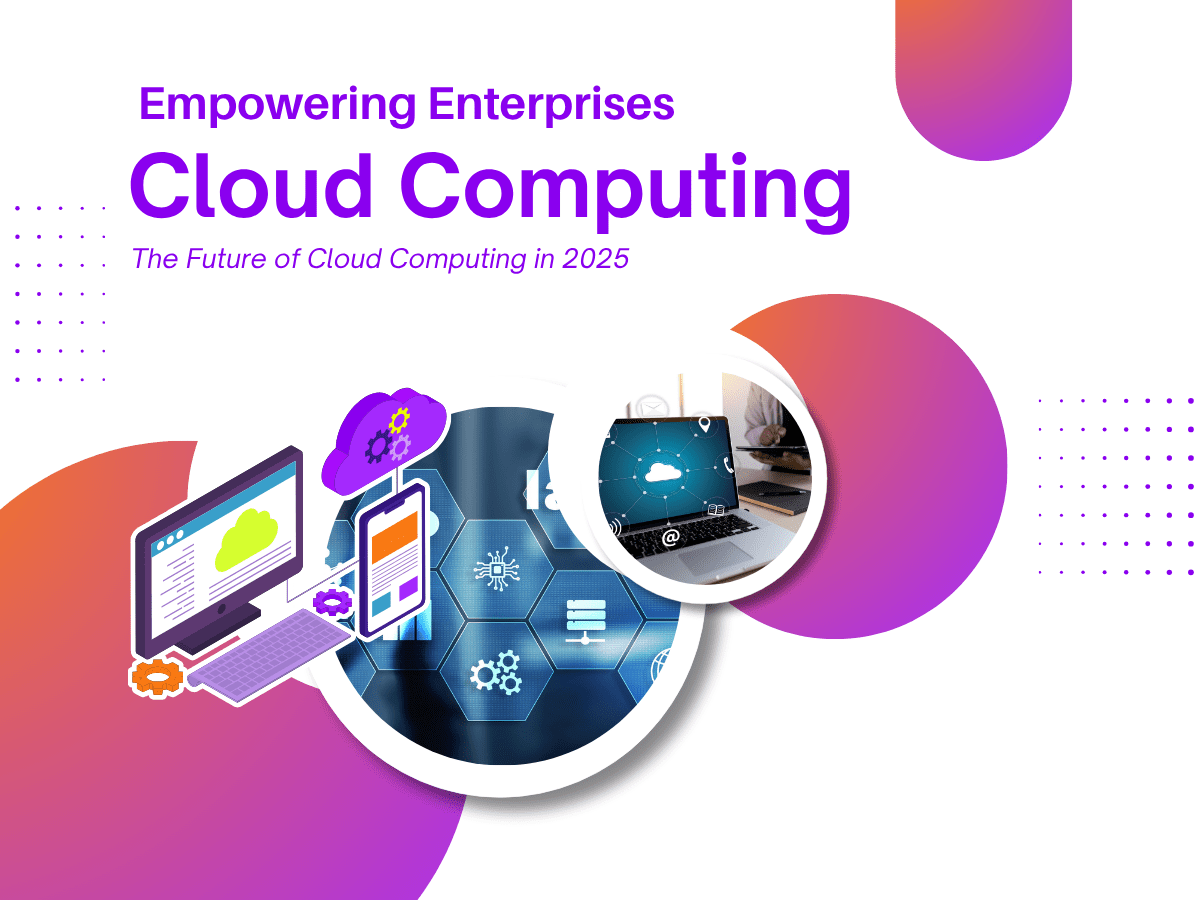
Cloud computing basically means access to all kinds of computing resources right over the internet. They can include data storage, networking tools, software, and even AI-powered analytics. These come with pay-per-use pricing. When we say “the cloud,” it is not referring to the fluffy white things in the sky. In simple terms, the cloud means using the internet to access powerful computers and servers stored in massive data centers. In place of owning and maintaining all the hardware yourself, you can tap into it whenever you need, paying only for what you use. Cloud computing is a transformative approach that delivers computing services and related resources to users over the internet. The general concept of cloud computing is the availability on demand of computing resources. It means that the users can have access to the computing resources they need, like processing power or data storage, without the issues of managing their dedicated infrastructure.

Cloud Computing

Benefits of Cloud Computing:

Compared with traditional data storage and management approaches, cloud computing has made business tasks much easier. The benefits of Cloud Computing are listed below:

  • Agility and Increased Speed: Instead of waiting days or weeks for IT to respond to a request, with cloud computing, this can be done in minutes. The organizations can use enterprise applications that speed up the detection and recovery process.
  • Unlimited Scalability: It provides adjustment of resources as per needs. Instead of buying extra capacity that stays unused during slow times, you can increase or decrease.
  • Cost-effectiveness: Cloud computing helps you overcome the extra expenses of purchasing, installing, configuring, and managing traditional mainframe computers. Instead, now you can only pay for cloud-based infrastructure and other computing resources.
  • Enhanced strategic value: to gain a competitive edge, cloud computing pushes organizations to use up-to-date technologies. Depending on the nature of the business, these AI technologies are selected. For example, customer-facing industries use generative AI-powered virtual agents, while manufacturing-based businesses use cloud-based software to monitor real-time data across logistics and supply chain processes.

Types of Cloud Computing:

Cloud Computing

Hybrid Cloud Computing:

It is a simple IT setup that is a combination of three different environments. These setups involve your company’s physical on-premises systems, a private cloud, and the public cloud. These environments are connected to create one flexible infrastructure for running applications and managing data. Back in the days, companies would use this approach to move data from on-premises servers to private cloud and later connect that to public cloud. But now the Hybrid Cloud offers much more than it used to. It has become more flexible and cost-effective. This allows you to move easily and automatically deploy your applications between environments. The latest updates offer features like cloud bursting, which lets companies instantly scale up and use public resources to handle sudden traffic spikes. All this is done without affecting their main private systems. As compared to the older systems, it offers superior flexibility and cost optimization. Over 77% of the businesses have adopted this strategy, as large organizations now rely on Hthe ybrid Cloud model.

Private Cloud Computing:

The type of cloud computing where all resources are exclusively used by a single customer or organization is called Private Cloud Computing. One can think of it as having a highly advanced and dedicated data center for their company. There are multiple benefits that this cloud computing setup offers. starting from elasticity and scalability, combined with security, control and ability to customize resources typical of systems hosted on your own premises. Most of the time, private cloud is located in the company’s own data center, but it can be hosted on infrastructure in a rented off-site center or by an independent vendor. To meet strict regulatory compliance rules, most of the organizations prefer private cloud over public cloud. Large organizations like hospitals and government have highly sensitive data, such as personal records and confidential information. These organizations go for private cloud computing.

Hybrid Cloud Computing:

As the name claims, hybrid cloud is the combination of public and private cloud in an on-premises environment. Ideally, it is a combination of these three environments into a single infrastructure which works on running the organization’s applications and workloads. In the beginning, organizations mainly adopted a hybrid cloud model to move some of their existing local data into a private cloud environment. The goal was to provide a unified dashboard that admins and IT teams could use to manage all their applications and network systems. All this could be done from different public and private environments from one central location. Today, the modern hybrid cloud is far more advanced than just connecting physical locations and migrating data. It now offers modern comprehensive solutions which are flexible and cost-effective, while being secure.

Multicloud Computing:

Multicloud computing refers to using services from two or more different cloud providers. Organizations use this model to avoid vendor lock-in, by using multiple providers, it prevents itself from being tied down to a single cloud company’s products and pricing. Multicloud also offers the freedom to access the best technology services from any Cloud Service Provider (CSP). This allows organizations to build a customized, unique set of features that precisely match their business needs. Access to multiple vendors also ensures that organization can adopt new and emerging technologies as soon as they become available on platforms.

Conclusion:

Cloud Computing has fundamentally shaped how the modern IT setup works. From modest business setups to huge organizations, cloud computing has been evolving the industry landscapes. By providing on-demand access to resources like storage, computers, and advanced applications, the cloud offers unparalleled advantages in a cost-effective way. The Cloud Computing models, whether they are any of the above-mentioned types, empower organizations to streamline operations and ensure continuity. Critically, it serves as the essential platform for leveraging cutting-edge innovations like AI and quantum computing. This drives strategic value and supports corporate sustainability. Ultimately, it secures the foundation for future enterprise growth.

References:

https://www.ibm.com/think/topics/cloud-computing

https://www.techtarget.com/searchcloudcomputing/definition/cloud-computing

https://www.mckinsey.com/featured-insights/mckinsey-explainers/what-is-cloud-computing

https://www.sciencedirect.com/topics/computer-science/cloud-computing

Zuckerberg Concedes: Metaverse Bet Isn’t Paying Off After Massive Losses

0
Zuckerberg Concedes

Meta CEO Mark Zuckerberg is facing a strategic reckoning after one of the company’s most ambitious bets failed to deliver the returns he envisioned, which was the metaverse. After years of heavy investment and more than $70 billion in losses, Zuckerberg appears to be turning the page on the project that once defined Meta’s future. IDN Financials

Reality Labs Under Review

The core of the metaverse initiative sits within Meta’s Reality Labs division, the unit responsible for virtual reality (VR), augmented reality (AR) hardware, and software platforms. These platforms are Meta’s Horizon Worlds, the social VR space Zuckerberg once pitched as the next major computing platform.

According to Bloomberg and multiple reports, Meta is planning deep budget cuts of up to 30 percent for Reality Labs in its next fiscal planning cycle. That would mean a shift of billions of dollars away from virtual worlds and VR hardware and toward other priorities. Layoffs within the division may also follow early next year. The Times of India

Zuckerberg himself has significantly dialed down public mentions of the metaverse in recent company communications, choosing instead to highlight Meta’s artificial intelligence (AI) work. This include large language models and consumer hardware like Meta’s Ray-Ban smart display glasses. TMGM

The $70 Billion Reality Check

The scale of the losses is staggering. Since 2021, Reality Labs has accumulated over $70 billionin deficits, eating into Meta’s overall profitability and testing investors’ patience. These losses stem largely from expensive VR headset development, ambitious virtual platforms that never achieved broad consumer traction, and a general slowdown in user engagement beyond niche gaming audiences. IDN Financials

Industry analysts say the moves are a belated but necessary adjustment. “A sensible move, though late,” one analyst told media outlets, noting that the cuts align spending with realistic revenue prospects. Share prices even rose slightly after news of the shift, as investors welcomed the improved cost discipline. IDN Financials

Why the Metaverse Didn’t Catch On

Several factors contributed to the metaverse’s struggles:

  • Limited Consumer Appeal: The grand vision of people socializing, working, and playing inside persistent virtual worlds never translated into mass usage. Most users still prefer traditional screens like smartphones, tablets and PCs, for everyday digital activity. International Business Times UK
  • Hardware Challenges: Meta’s VR and mixed reality devices, while technologically impressive, faced delays and production hurdles. The rollout of key products was pushed back, undermining momentum. International Business Times UK
  • Unclear Value Proposition: Consumers and developers alike have struggled to find compelling reasons to adopt immersive platforms at scale, leaving Horizon Worlds and similar initiatives mostly under-utilised. IDN Financials

A Strategic Pivot to AI and Practical Hardware

While the metaverse may no longer be the centrepiece it once was, Meta isn’t abandoning innovation. The company is increasingly positioning itself around AI technologies and practical wearable hardware that could have broader appeal than VR alone. TMGM

Meta’s CEO has been vocal about the company’s AI direction across recent earnings calls and public statements, touting advances in large AI models and emerging products tied to everyday user experiences. This shift reflects a broader reorientation toward areas with clearer revenue pathways and stronger competitive positioning. TMGM

What This Means for Meta and Zuckerberg

Zuckerberg’s pivot marks a significant moment for the company that once rebranded itself entirely around the idea of the metaverse. The loss of over $70 billion on that bet is a stark reminder of how difficult it is to invent entirely new platforms, and how even the boldest visions must be grounded in products people actually use.

By recalibrating its investments and focusing more on AI and incremental hardware innovation, Meta may be aiming to strike a better balance between ambition and commercial viability, even if it means scaling back one of the most talked-about tech dreams of the decade.

From Data to Diagnosis: Unlocking Healthcare’s Potential with AI

0
From Data to Diagnosis Unlocking Healthcare's Potential with AI

AI in Healthcare:

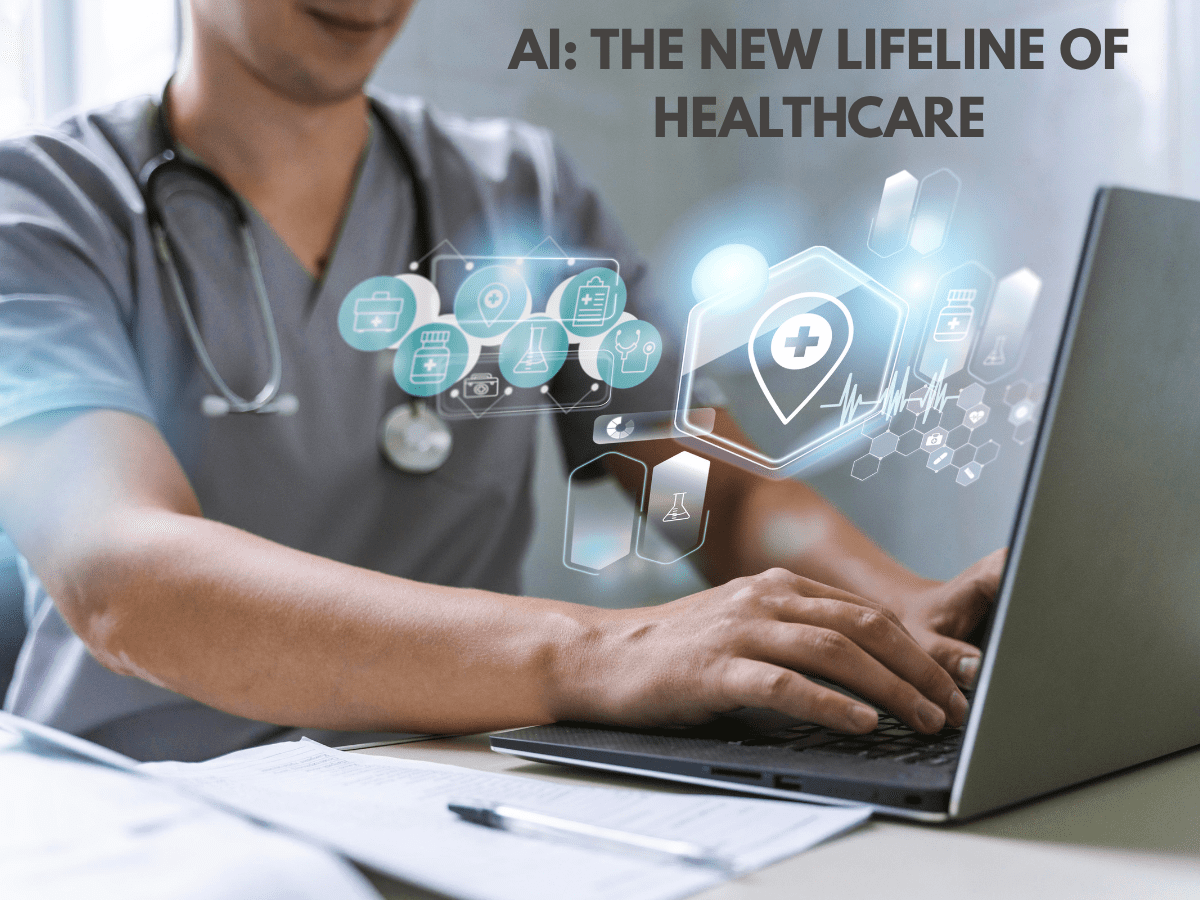
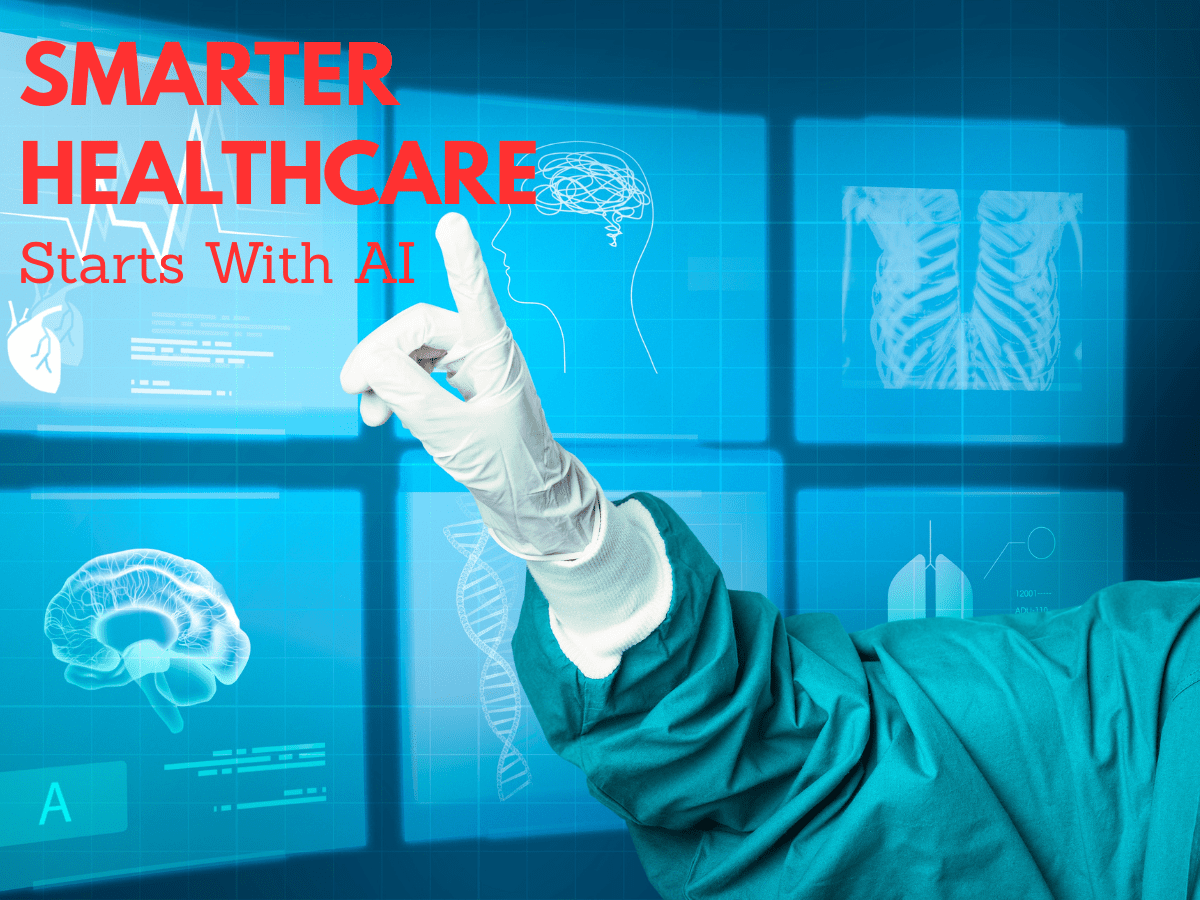
Artificial intelligence has been taking over all the fields lately and healthcare has been benefiting from it all the same. AI has been doing wonders in medical and healthcare sector. It is completely reshaping how the patients are being treated and monitored. AI is impacting the procedures along with how the research is being conducted and evaluated. It is helping in providing more accurate diagnosis and treatments. Another strength of AI is handling wide amount of data required for healthcare. AI’s influence now touches every corner of medical field. From research labs and clinical documentations to patient monitoring and engagement. It is improving patient outcomes and making healthcare systems more efficient by providing accurate diagnoses. One of its biggest strength lies in data analysis. AI can process massive amounts of clinical information in seconds. This helps doctors spot disease patterns and track population health trends that might go unnoticed otherwise

AI Healthcare

Key Technologies:

  1. Machine Learning (ML), where diagnosis, outcome prediction and personalized treatment is predicted using AI. Machine Learning (ML) is the cornerstone of many AI applications in healthcare. These systems learn from vast datasets, such as electronic health records (EHRs), medical images, and genomic data, to identify patterns and make predictions.
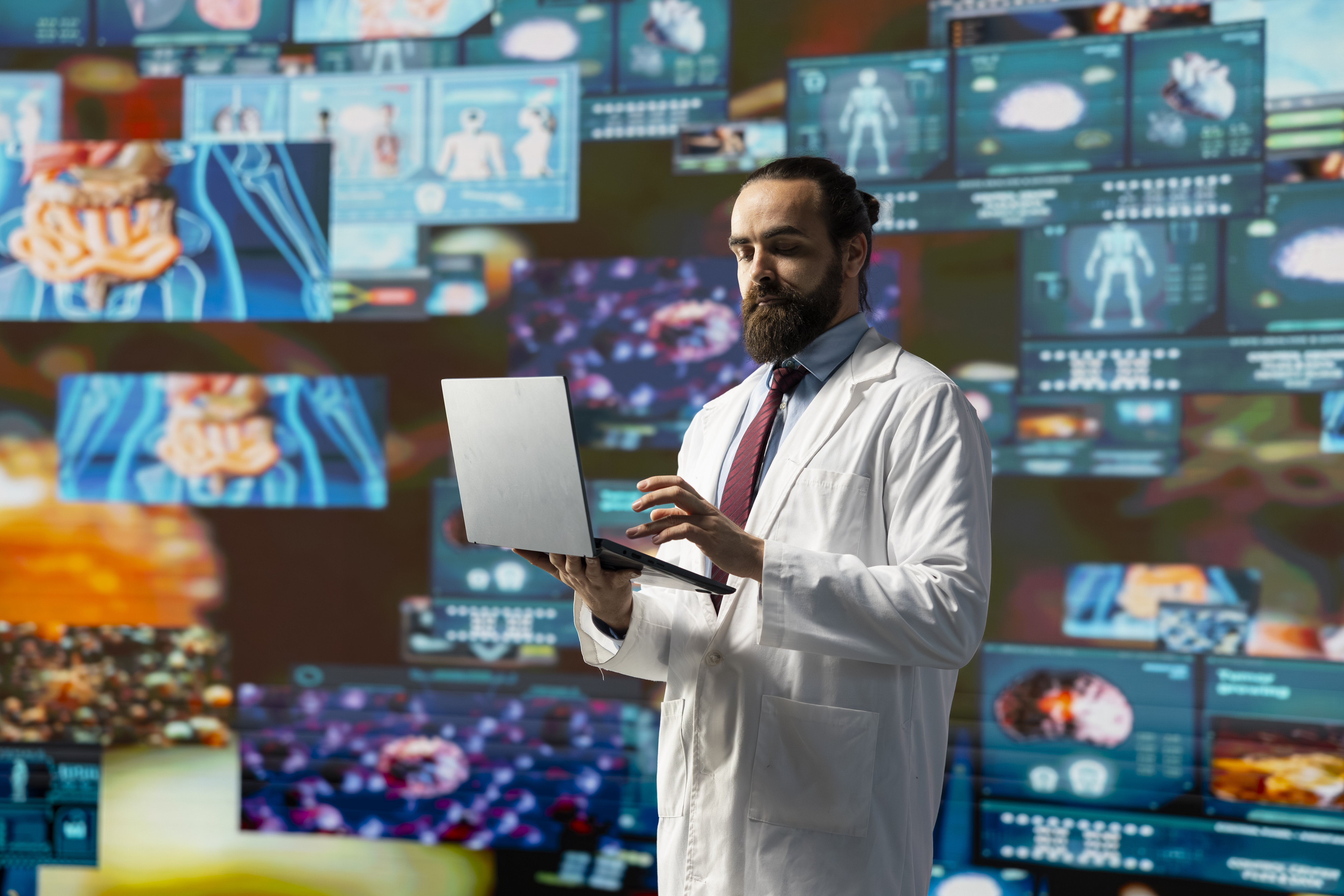
  2. Diagnosis and Outcome Prediction: ML algorithms, particularly deep learning models, are now adept at analyzing medical images (e.g., X-rays, MRIs, pathology slides) with accuracy comparable to, or sometimes exceeding, human experts, leading to earlier and more precise disease detection (like identifying cancerous lesions). They can also predict the likelihood of specific disease outcomes or complications.
  3. Personalized Treatment: By analyzing a patient’s unique genetic history and lifestyle, ML maodels can help tailor treatment plans. This is a revolutionary step toward personalized medicine, optimizing drug dosages and therapeutic strategies for better efficacy and fewer side effects.
  4. Natural Language Processing (NLP) is used for extracting information from healthcare records and improving diagnosis. Natural Language Processing (NLP) focuses on enabling computers to understand, interpret, and generate human language. In healthcare, it is vital for managing the enormous amounts of unstructured data found in medical records.
  5. Data Extraction and Management: Approximately 80% of medical data exists as unstructured text in clinical notes and radiology reports. NLP systems automatically extract meaningful, structured information from these sources, drastically reducing the time spent on manual documentation and data entry. This in turn leads to improved data accuracy and streamlined administrative processes.
  6. Enhancing Diagnosis and Decision Support: NLP can analyze patient histories and clinical narratives to identify key clinical concepts, aiding in diagnosis. Advanced applications include analyzing patient feedback and social media data for insights into population health trends and mental well-being.

WHO + McKinsey Reports:

Reports from global institutions like McKinsey & Company and the World Health Organization (WHO) consistently highlight the accelerating and widespread adoption of AI in clinical and administrative healthcare settings.

  • McKinsey’s Outlook: Recent analysis by McKinsey indicates that AI is not a future prospect but it is now a present-day imperative. It serves as an “accelerant for most other domains” within healthcare. For instance, Generative AI (Gen AI) alone is projected to add billions in economic value to the pharmaceutical and medical-product industries. This is by boosting productivity, particularly in accelerating drug discovery and optimizing clinical trials. The focus is shifting from “if” to “how fast and how responsibly” to integrate these technologies into daily operations.
  • Growing Professional Acceptance: The increasing effectiveness and integration of AI tools are reflected in professional surveys. Data suggests a significant jump in the adoption of AI tools by medical and healthcare professionals, moving from approximately 38% to about 66% in recent periods. Crucially, a strong majority of physicians, around 68%, believe that AI has a positive

A survey suggested that about 66% of the medical and healthcare professional are adopting and working while using health-AI tools in recent period as before it was around 38%. Around 68% of the physicians believe that AI has a positive impact and contributes well to patient care.

AI in healthcare

It has become clear that AI is no longer just a futuristic dream in healthcare. AI is opening new doors for faster and more accurate medical care. From being able to flag subtle patterns that humans might miss, to tailoring treatment plans to each person’s unique profile, AI has came a long way.

References:

https://www.foreseemed.com/artificial-intelligence-in-healthcare#:~:text=The%20applications%20of%20artificial%20intelligence,faster%2C%20and%20more%20efficient%20care.

https://www.mckinsey.com/industries/healthcare/our-insights/generative-ai-in-healthcare-current-trends-and-future-outlook

https://www.mckinsey.com/industries/healthcare/our-insights/generative-ai-in-healthcare-adoption-trends-and-whats-next

https://www.coursera.org/specializations/ai-healthcare