


What is Edtech (AI in education)?
Artificial Intelligence is a powerful helper that’s changing the way we teach and learn. It’s using smart computer systems to tailor the educational experience specifically for each student. It takes over tedious administrative chores for teachers, and generally boosts the quality of instruction for everyone involved. In the education technology sector, AI is no longer just a neat gadget; it’s becoming the central engine that powers the entire learning setup. This shift is happening because AI can quickly digest huge amounts of information and handle complex thinking tasks that used to require a person. It also allows us to build more adaptable classrooms and run much more efficiently.
How does AI help teachers?
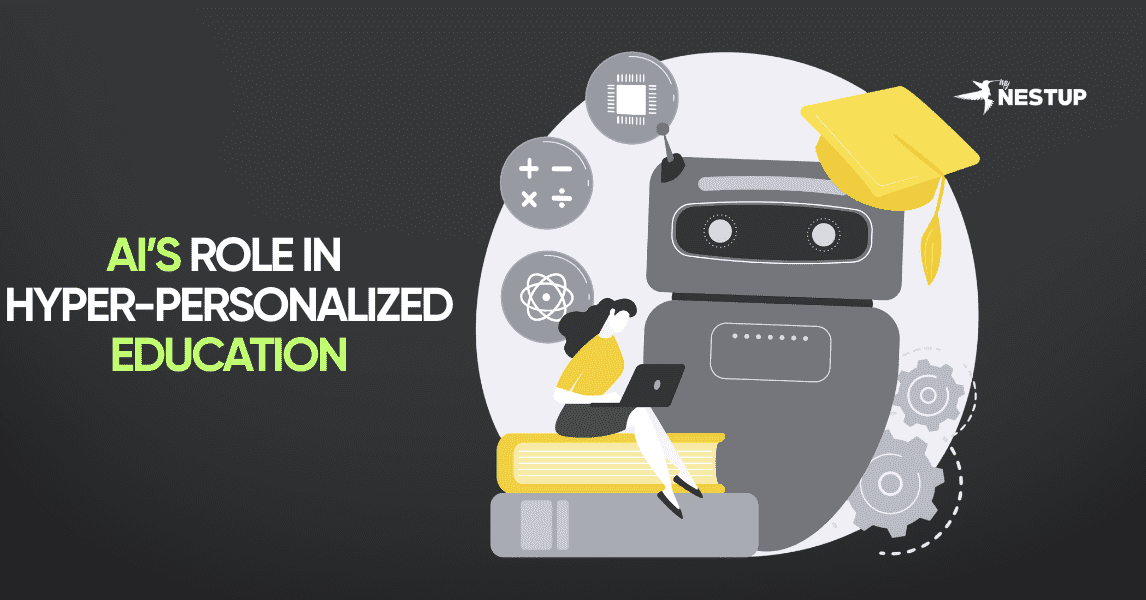
Artificial Intelligence (AI) is referred to as AIEd when applied to education. It is no longer just a futuristic concept but the foundational engine driving modern learning environments. At its core, AIEd uses sophisticated computer systems to create highly personalised learning experiences tailored to each individual student’s needs and style. Beyond the student experience, AI is becoming a collaborative partner for teachers and taking over many time-consuming tasks like grading and record-keeping. Thereby freeing up educators to focus on meaningful instruction. AI helps transform the teaching process itself by providing real-time feedback, suggesting effective teaching strategies, facilitating professional development, and promoting genuine inclusivity by adapting materials for diverse learners. By efficiently analysing vast amounts of data and performing complex cognitive tasks, AI is empowering teachers to create dynamic and deeply personalised learning journeys for all their students.
- Inclusive education
- Enhanced teaching strategies
- Professional development
- Real-time feedback and interventions
- Personalized learning
How AI is Reshaping K-12 Learning:
Artificial Intelligence is making a massive mark on primary and secondary education. It is fundamentally changing how young students learn and how schools operate. This technology isn’t just a tool; it’s a driver of transformative change that makes education better and more focused on the individual.
Here are the key shifts we are seeing:
- Learning Just for You: AI powers special learning platforms that look closely at what each student is doing. By analyzing their progress and challenges, these systems can instantly adjust the content and pace. They are ensuring that the material is perfectly suited to their personal learning style. This focused approach promotes a much deeper grasp of the subject matter than a one-size-fits-all classroom.
- Smarter Decisions for Teachers: AI gives teachers powerful insights. It is like having X-ray vision into student performance. By generating useful data on common stumbling blocks and overall learning patterns, educators can stop guessing and start making informed decisions. This allows them to quickly refine their teaching methods and pinpoint exactly where a class or individual student needs extra help.
- Opening Doors Globally: With the help of AI, online schooling is thriving. This means students are no longer restricted by geography; they can access top-tier lessons and educational resources from virtually anywhere. For kids in isolated or underserved communities, this dramatically expands their educational opportunities.
- Building Skills for Tomorrow: Modern AI tools, such as intelligent virtual tutors and engaging game-based learning environments, are helping students develop crucial modern competencies. These platforms naturally encourage critical thinking and essential digital literacy, which are necessary for success in the rapidly evolving future job market.
AI is making K-12 education more personal and accessible worldwide. As this technology matures, its careful integration promises to boost learning outcomes significantly. It equips students with the skills they need to thrive and prepares them for a digital, interconnected future.
AI’s Transformative Role for Educators and Instruction:
Artificial Intelligence is profoundly changing the landscape of teaching and learning, effectively dismantling traditional educational models. For educators, AI works as a supportive tool that significantly improves efficiency by automating time-consuming administrative tasks, such as grading and data management. This relief allows teachers to redirect their energy toward personalised and meaningful student engagement. AI-driven tutoring systems and smart content platforms provide tailored feedback and adapt lessons instantly to individual student requirements. This helps in boosting the quality of the learning experience. AI is instrumental in creating dynamic, engaging educational materials, ensuring that content delivery caters effectively to a wide range of learning styles.
Personalisation and the Future of Learning:
In the learning process itself, AI is all about creating personalised pathways and ensuring that every student progresses at their own optimal pace. These intelligent systems use data analysis to pinpoint exactly where a student excels and where they need improvement. They work on facilitating a highly targeted approach to skill development. Innovations like AI-powered virtual reality and simulations offer immersive learning environments that make difficult subjects more practical and accessible. While AI streamlines these processes, we must address important issues like ethical concerns and potential algorithmic bias, necessitating a responsible approach to its use. The role of the educator is evolving into a collaborator with AI tools. Also focusing on nurturing uniquely human skills like critical thinking and creativity, and ultimately promising a more adaptive educational system.
Conclusion:
In summary, Artificial Intelligence in Education (AIEd) is the central engine transforming teaching and learning by moving beyond traditional structures to build a more personalised and globally accessible system. For teachers, AI acts as a collaborative partner, automating administrative burdens like grading and record-keeping. This frees them up to focus on professional growth and promoting inclusivity through adapted materials and real-time feedback. For students, AI powers personalised learning platforms that analyse performance data to create unique pathways. It ensures content and pace are tailored to individual needs, whether through smart tutoring systems, engaging simulations, or globally accessible online resources. This integration of AI is effectively preparing K-12 students with essential future skills like critical thinking, ultimately promising to significantly boost learning outcomes and foster a more adaptive and future-ready educational environment.
References: