



What is Regenerative Agriculture?
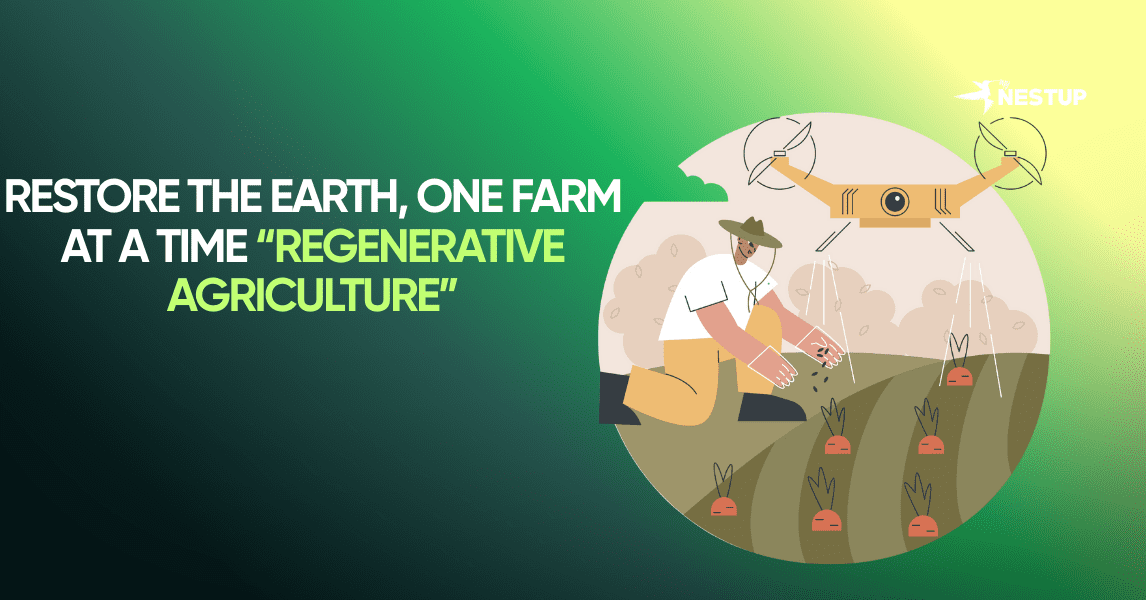
Regenerative agriculture is a holistic approach to farming that goes beyond simply sustaining the land; it actively works to heal and improve it. Instead of conventional methods that can deplete soil health over time, this system aims to restore vital natural resources, such as soil health, water retention, and biodiversity. Think of it as making deposits into a soil “bank account” rather than constant withdrawals. The core idea is to work with nature, using practices that mimic natural ecosystems to create a more resilient and productive farm environment for the long term. This modern approach is gaining popularity as the negative impacts of traditional farming become more widely understood.
Principles and Practices for Regenerative Agriculture:
The methods used in regenerative agriculture are designed to maximize soil health and ecosystem function. Farmers focus on minimizing disturbance to the soil, keeping the ground covered, maintaining living roots year-round, encouraging biodiversity, and integrating livestock.
- Minimal or No-Tillage: Avoiding frequent plowing or turning the soil to preserve its structure, beneficial microbes, and stored carbon.
- Cover Cropping: Planting non-cash crops (like rye or clover) between main harvests to protect the soil from erosion, suppress weeds, and add organic matter.
- Diverse Crop Rotation: Alternating different types of crops to improve nutrient cycling, break pest cycles, and support a healthier soil food web.
- Managed Grazing: Moving livestock in planned patterns to mimic wild herds, fertilizing the soil with manure, and stimulating plant growth.
Benefits of Regenerative Agriculture:
The shift to regenerative practices offers significant benefits for the environment, especially in the fight against climate change. Healthy soil acts as a powerful carbon sink, drawing carbon dioxide from the atmosphere and storing it in the ground. This process, called carbon sequestration, can help mitigate global greenhouse gas levels. Beyond climate, regenerative farming significantly improves water management. Healthy soil structure absorbs and retains water more effectively, which reduces surface runoff and makes farms more resilient to both droughts and floods. While the transition to regenerative agriculture requires an initial investment in new equipment and education, it often leads to better economic outcomes for farmers over time. By building healthier, more naturally fertile soil, farmers can dramatically reduce their reliance on expensive synthetic inputs, like chemical fertilizers and pesticides. This reduction in input costs, combined with increased farm resilience to extreme weather, can lead to greater long-term profitability and stability. Improving local biodiversity and watershed function helps regenerative agriculture and secures a more sustainable food supply for communities.
Climate-positive farming adoption:
Climate-positive farming is a method that aims to not just reduce but actually reverse the negative environmental impact of agriculture. The goal is to remove more greenhouse gases from the atmosphere than the farm creates, making the system “carbon negative.” It builds on the principles of regenerative agriculture by focusing intensely on soil health to maximize carbon sequestration. This is the process of drawing carbon dioxide from the air and storing it in the soil as organic matter. This approach is a crucial part of the global effort to meet climate goals, transforming farming from a major source of emissions into a powerful climate solution.
Key Practices for Climate Positivity:
Achieving a climate-positive status involves a suite of integrated, nature-based practices that focus on restoring the natural ecosystem of the farm. These methods enhance soil fertility and resilience while actively drawing carbon from the air. The most effective strategies include:
- No-Till or Reduced Tillage: Minimizing the disturbance of the soil to protect its structure and prevent the release of stored carbon into the atmosphere.
- Cover Cropping: Planting crops like clover or vetch between cash crops to keep a living root in the soil year-round, which feeds soil microbes and constantly draws down carbon.
- Diverse Crop Rotation: Alternating different crop types to break pest cycles, enrich the soil with various nutrients, and increase overall biodiversity.
- Agroforestry: Integrating trees and shrubs into the farming landscape to provide shade, build soil health, and offer additional long-term carbon storage.
Significant Environmental Advantages:
The benefits of adopting climate-positive farming extend far beyond just reducing a farm’s carbon footprint. By healing the soil, this system creates a ripple effect of positive environmental outcomes. Healthy soil acts like a sponge, dramatically improving water infiltration and retention, which is vital for reducing runoff, preventing erosion, and making the farm more resistant to both floods and droughts. Minimizing the use of synthetic fertilizers and pesticides reduces pollution in local waterways and supports biodiversity both above and below ground, leading to a more robust and self-regulating farm ecosystem. Research suggests that a wide-scale transition could store significant amounts of carbon annually.
Drawbacks:
Despite the clear benefits, the transition to climate-positive farming presents several practical and financial challenges for farmers. Switching to new methods often requires a substantial upfront investment in new equipment, such as specialized no-till seed drills. Furthermore, it involves a steep learning curve and a period of uncertainty as farmers wait for the long-term environmental and financial benefits to materialize. Many farmers also cite limited technical knowledge, a lack of supportive public policy, and uncompetitive marketing channels as key barriers to adopting these complex practices. Overcoming these hurdles requires strong policy incentives, consistent technical assistance, and market demand for climate-positive products.
Conclusion:
Regenerative agriculture is more than a trend; it is a vital shift toward a “carbon negative” future. By prioritizing soil health and natural cycles, farmers can transform their land into a powerful tool against climate change. The journey isn’t always easy, as it requires new equipment and a willingness to learn different methods. However, the long-term rewards are worth the effort. From saving money on chemicals to building farms that survive extreme weather, this approach secures both the planet and the farmer’s wallet.