



What Are Electric Vehicles?
Electric cars or vehicles run on electricity. Sometimes at least partially. Unlike traditional vehicles that rely on petrol or diesel, electric cars use an electric motor that gets its power from a battery or a fuel cell. Most EVs store electricity in a rechargeable battery that you plug into the grid. While others use hydrogen fuel cells that create electricity on the go. Their key feature is that instead of burning fuel in an engine, EVs use electric motors that run in clean, renewable energy and produce zero emissions while driving.
How Do EVs Work?
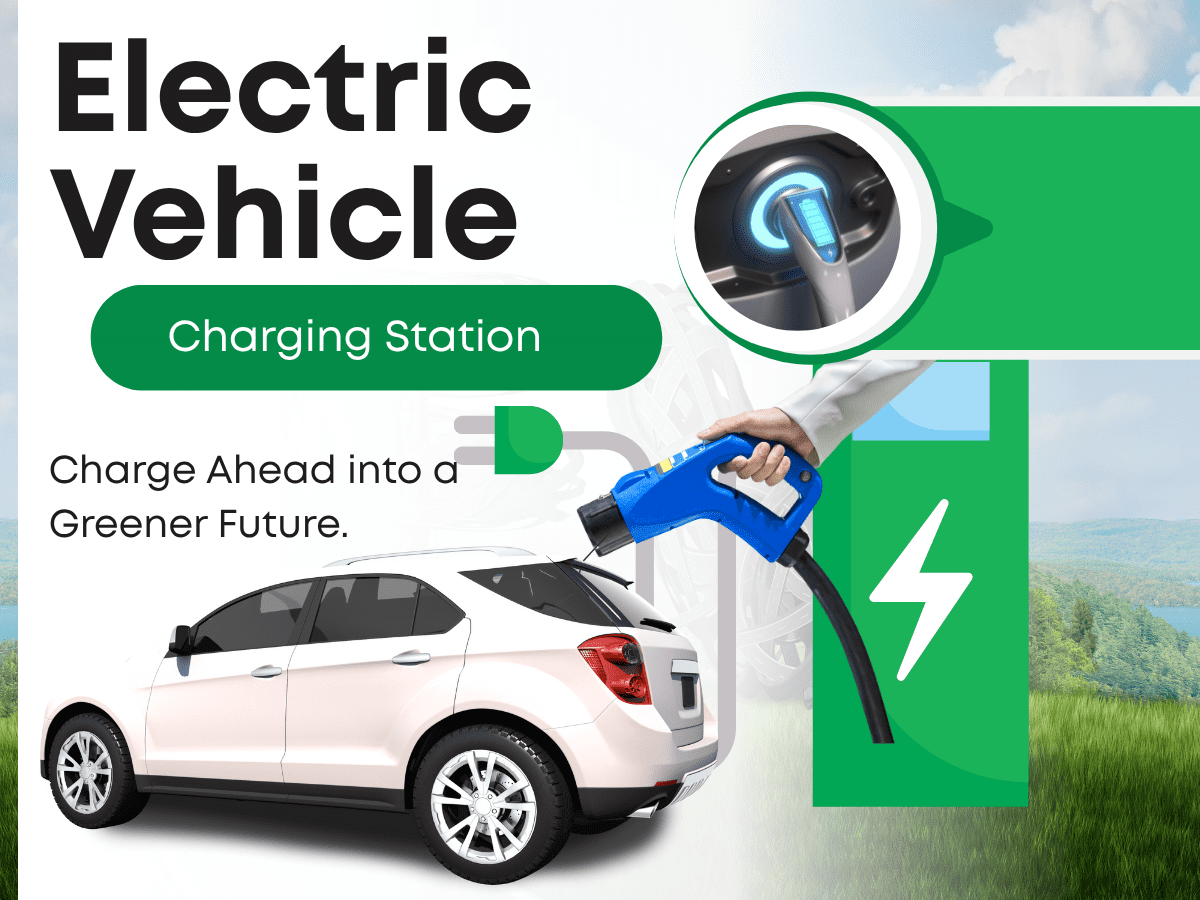
At the core of electric vehicle is its battery. It is the main source of power that stores the energy needed to keep the vehicle moving. These batteries are usually made from lithium-ion cells. They are similar to what you’d find in your phone or laptop, just scaled up massively. Once charged, the battery supplies energy to the vehicle. You can easily recharge it by plugging into a dedicated charging station or into a home outlet. Then there is the electric motor. It is really the star of the show. It’s much simpler than a traditional gasoline engine, which means fewer parts to maintain and a much quieter driving experience. The motor converts electrical energy into movement, pushing the car forward with impressive smoothness and efficiency. It is one of the reasons electric cars often feel so quick and responsive. Another great feature of EVs is regenerative braking. When you hit the brakes, the motor actually reverses its role and acts like a generator. It captures some of the energy that would normally be lost and sends it back to the battery. This helps extend your driving range and also reduces wear on the brakes, making it a smart, efficient system all around.
Types of EVs:
- Plug-in All-Electric Vehicles (BEVs)
These are fully electric cars powered only by a rechargeable battery. Their range depends on the size of the battery, but things like driving fast or going uphill can drain it quicker. Once the battery runs out, you simply plug it in to recharge. - Plug-in Hybrid Electric Vehicles (PHEVs)
PHEVs can run on either electricity or traditional fuel. You can plug them in to charge the battery or switch over to gasoline or diesel when needed. They usually offer a longer driving range than BEVs because they have two power sources. However, that also means a bit more maintenance. And when they are running on fuel, they do produce emissions. - Hybrid Electric Vehicles
If you are wondering, “Do electric cars ever use gas?” the answer is yes-hybrid electric
vehicles do. These cars have a combustion engine that powers the vehicle and charges the battery as well. You do not have to plug them in, instead the engine handles the charging. So they are electric, but still depend on fuel. - Fuel Cell Electric Vehicles (FCEVs)
These EVs don’t rely on a battery for power. Instead, they use hydrogen fuel cells. Inside the fuel cell stack, hydrogen and oxygen react to create electricity, which then powers the motor. They produce no carbon emissions or tailpipe pollution.
Benefits of EVs:
More and more people are choosing electric vehicles, and it’s easy to see why. They come with a bunch of perks, like:
Benefits of Electric Cars
More and more people are choosing electric vehicles, and it’s easy to see why. They come with a bunch of perks, like:
- Cleaner air: Since EVs do not burn fossil fuels, they aren’t releasing harmful emissions into the air around your home and community.
- Quiet rides: Electric motors are naturally quieter than traditional engines, making your drive feel calm and peaceful.
- Less maintenance: With fewer moving parts under the hood, there’s usually less wear and tear-meaning fewer trips to the mechanic.
- No more fuel costs: While EVs can cost more upfront, you will not be spending money on fuel every week. This adds up to big savings over time.
- Instant acceleration: Electric motors deliver quick, smooth power the moment you press the pedal.
- Cutting-edge tech: Many EVs come packed with modern features and stylish designs, making them feel futuristic and fun to drive.
At the end of the day, choosing an electric vehicle is a small yet meaningful step towards a healthier planet. Along with its fuel saving benefits. Sure there are challenges to face, from charging environment to battery range, but the momentum is heading in the right directions. EVs continue to move towards an everyday reality from just an innovation, as more people get comfortable with the idea of an electronic vehicle.
References:
https://www.ucs.org/resources/what-are-electric-cars
https://www.windsor.ie/electric-hybrid/electric-vehicles-explained
https://www.constellation.com/energy-101/energy-innovation/what-is-an-electric-vehicle.html