


What is Fintech?
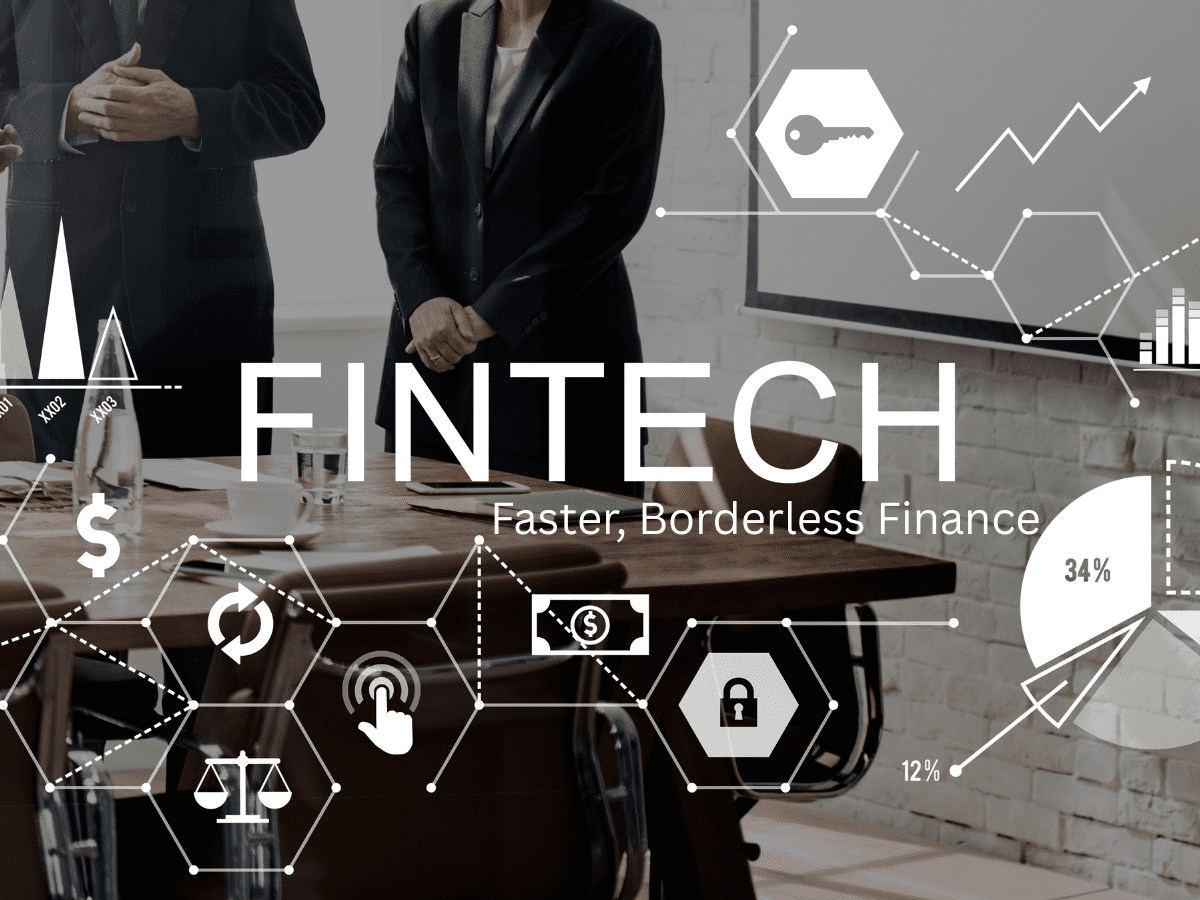
Fintech, short for financial technology, refers to the apps and software that make it easy for people and businesses to manage their money online. From banking and payments to investments and budgeting, fintech lets you handle your finances digitally, often right from your phone and computer. As smartphones and other digital devices have become more common, fintech has grown rapidly. Nowadays, mobile apps can help people do everything from setting financial goals and applying for mortgages to filing taxes and more. On the business side, companies in the financial sector are always exploring new ways to use fintech to boost their services and better serve their customers. The word “fintech” comes from combining “finance” and “technology.” It was originally used by banks to describe tools that helped them manage and monitor their clients’ accounts. Over the past five years, though, the meaning has broadened. Today, fintech also covers consumer-focused services like apps and software for budgeting, tracking spending, and buying or selling stocks.
Benefits of Fintech:
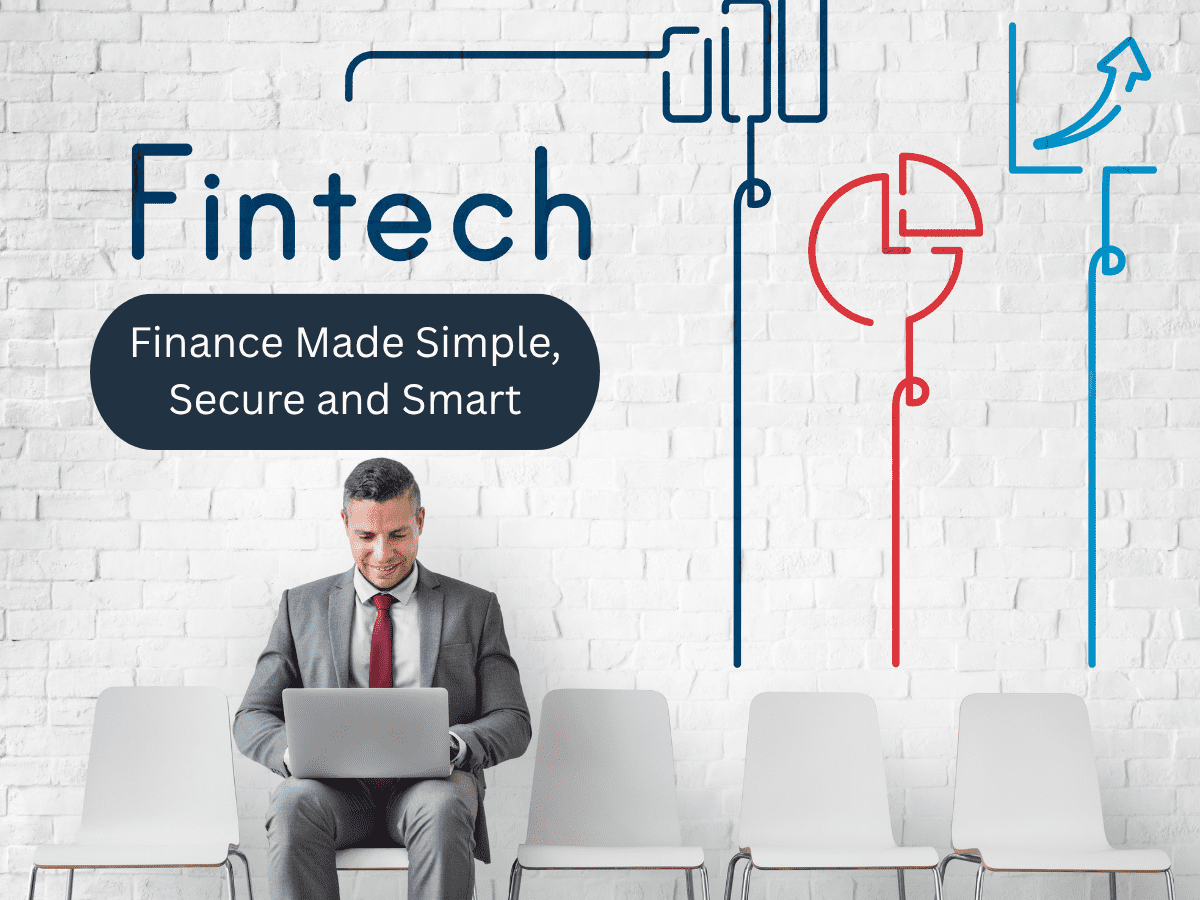
- 24/7 access to finances: Fintech makes it easy for people to manage money anytime. Whether it’s transferring funds, trading, or even making quick purchases.
- Stronger security: With stricter regulations and built-in cybersecurity features, fintech apps help protect users from fraud and digital threats. Technologies like blockchain make complex online transactions more secure.
- Easier access to credit: Digital lending is growing fast. It is giving borrowers more choices and even helping those with little or no credit history connect with lenders.
- Streamlined business processes: Automation helps businesses cut down on routine banking tasks and speed up transaction and investment processes.
- Faster product launches: With ready-made fintech tools available, companies can introduce new services quickly without building everything from scratch.
- Better customer retention: Fintech enables customized, smooth digital experiences which helps businesses keep customers engaged and loyal.
Types of Fintech:
• Digital banks: Traditional banking has gone digital, making everyday financial tasks faster and more convenient. Modern fintech banks use tools like advanced user verification and blockchain-based ledgers to handle complex transactions. Many digital-only banks now operate entirely through apps, offering full banking services without a physical branch.
• Digital payments: Every time you pay for coffee or shop online fintech is works in the background. It connects your bank account to your phone or device, making payments quick and secure. For businesses, fintech also supports payroll, tax management, accounting and also a range of other financial operations.
• Personal finance: Fintech has made budgeting and money management more accessible. Apps like Dave and WealthSimple help people track expenses, save smarter and plan for future goals, all while educating them along the way.
• Investing: Fintech has reinvented investing by putting the stock market in your pocket. Platforms like Robinhood and Atom Finance let users research, monitor and trade investments right from their phones.
• Lending: Getting a loan no longer requires visiting a bank. Fintech companies such as Rocket Mortgage and SoFi let users apply for mortgages, car loans or personal credit through quick digital forms, often providing approvals within minutes.
What is Embedded Finance?
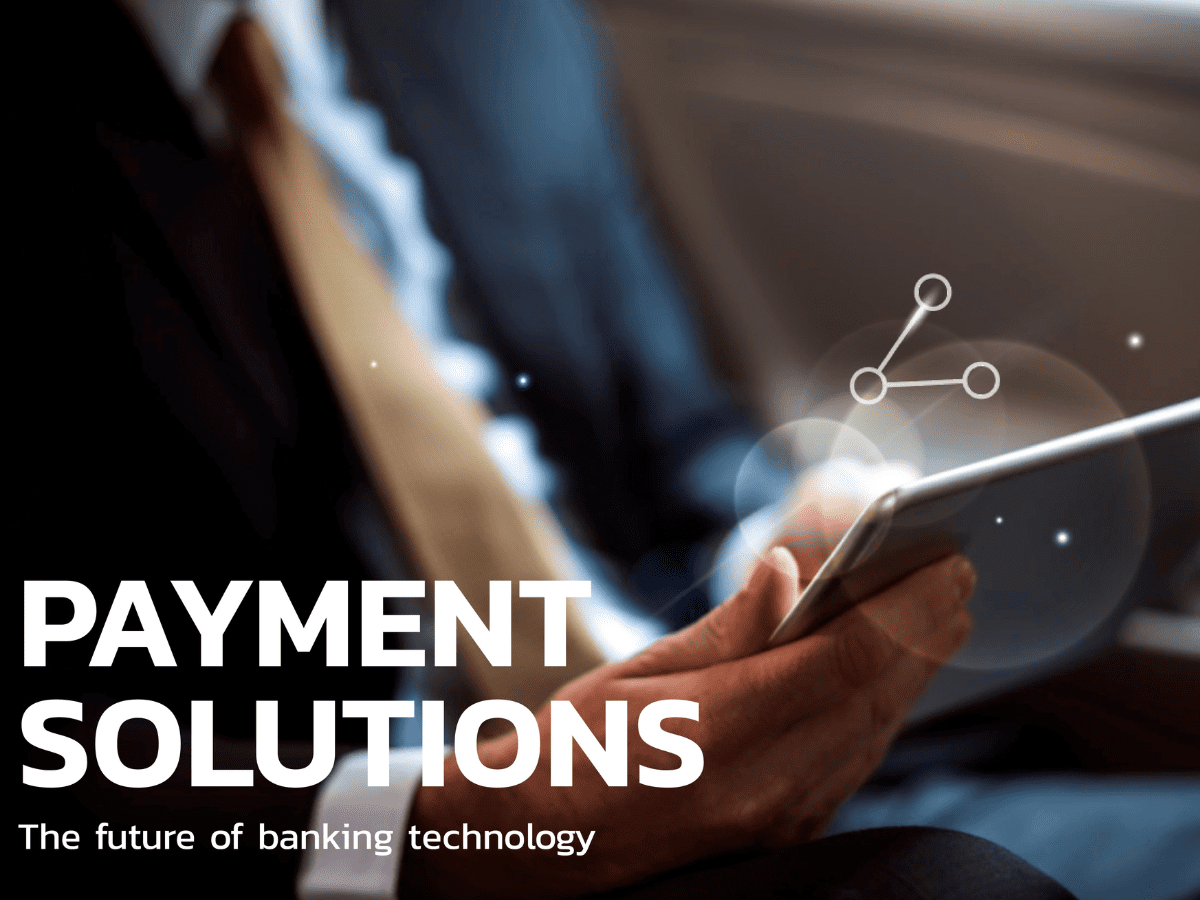
Embedded finance is what happens when a non-financial company uses a bank’s financial and regulatory systems to offer its own customers financial services. In simple terms, it brings the bank directly to the customer. Right when they need it and with the most relevant offer.
Embedded finance offers financial services within a setting that isn’t traditionally financial. If you have ever checked out on an online store like Amazon or Best Buy and seen options for installment plans, you have already experienced embedded finance in action. It allows companies to offer things like payments, loans, insurance, credit cards, or even investment tools. Without the need to build the heavy regulations that licensed financial institutions must maintain. In simple terms, businesses can provide financial products effortlessly, right where customers need them. Although it feels like a modern innovation, embedded finance actually has deep roots. Back in the 1920s, Ford introduced an embedded lending program through the Ford Credit Bank to help customers finance car purchases. Since then, the concept has continued to grow across different industries and customer touchpoints.
Benefits of Embedded Finance:
- Boost customer lifetime value (LTV): You can raise LTV in two ways, getting customers to use more of your product or keeping them around longer. Adding financial services helps on both fronts by giving customers more useful tools in one place.
- Reduce churn: Businesses need to process payments, manage accounts, access capital, and use cards. When your product includes these essential financial tools, customers have a strong reason to stay, which naturally lowers churn.
- Open new revenue streams: Embedded finance can become a major revenue driver. Some estimates suggest SaaS companies can grow revenue by 2–5x by adding financial services. Depending on what you offer, you can earn through interchange fees, payment processing fees, or revenue-sharing with banking partners who serve your customers.
- Improve customer experience and satisfaction: Putting financial services directly into your software saves customers time and effort. Instead of juggling multiple platforms or dealing with complicated banking tasks, they can do everything in one place. This smoother experience builds loyalty and keeps customers happier. They become more likely to stick around and recommend your product
Impact of AI, Embedded finance and Fintech:
Fintech is being reshaped by the convergence of embedded finance and AI. Together they have turned financial services into something so effortless that users hardly notice them. With embedded finance, things like payments, lending, insurance, and banking are built directly into everyday apps. Whether you are booking a ride or shopping online, there is no need to jump to a separate platform. Add AI into the mix and everything becomes smarter. It can assess credit in real time and personalize financial products based on someone’s behavior. AI’s ability to process huge amount of data leads to better risk decisions and increased intuitive interactions. While embedded finance makes sure these services show up exactly when and where they are needed. This synergy is creating the backdrop for a more smoother and intelligent financial future.
References:
https://www.coursera.org/articles/what-is-fintech
https://www.ibm.com/think/topics/fintech
https://www.wpi.edu/news/explainers/financial-technology-ai-fintech
https://www.alloy.com/guides/understanding-embedded-finance
https://www.pwc.com/gx/en/issues/technology/tech-translated-embedded-finance.html