

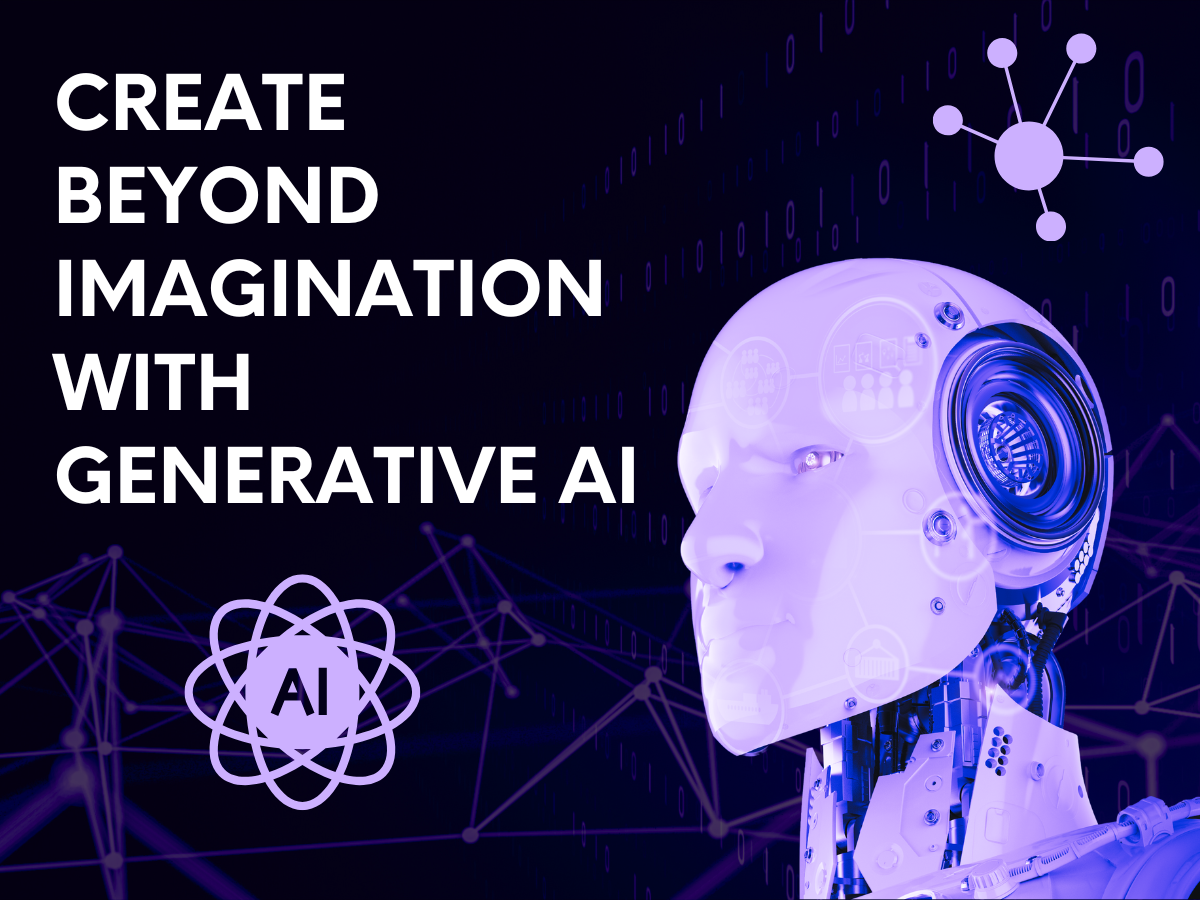

Generative Artificial Intelligence tools use advanced machines learning models especially LLMs to produce new and original content. These tools can create human-like text, images, videos, 3D designs based on information (prompts) given by users. While traditional search engines that use algorithms that locate existing sources, generative ai tools create new content by predicting what word, pixel, or sound would come next in the pattern. Generative Artificial Intelligence (GenAI) is transforming how we work and discover information. These sophisticated tools utilize advanced machine learning models, primarily Large Language Models (LLMs), to produce new, original content. They create novel outputs, whether it’s human-like text, unique images, dynamic videos, or functional code, by predicting the next word or pixel in a complex pattern based on a user’s input. This rapid evolution is largely driven by continuous competition and innovation from industry giants, particularly Google’s Gemini and the suite of features from OpenAI.
A few examples of such tools are given below,
- Text generation: ChatGPT, Google Gemini, Copilot: Creating cohesive articles, summarizing documents, drafting emails, and providing interactive, human-like dialogue.
- Image generation: DALL-E, MidJourney: Producing original, high-resolution images and artwork from text descriptions (text-to-image).
- Video and Audio generation: Runway ML, Synthesis: Creating realistic video footage, digital avatars, and professional-quality synthesized speech or music from text or existing media.
- Code Generation: Assisting developers by auto-completing code, translating between programming languages, and generating entire functions or code snippets.
- Research tool: Consensus JSTORE Text Analyze
Google’s Gemini Updates:
Gemini is google/deep minds flagship AI model which is designed to take up all the role which were earlier being carried out by Google Assistant. It now supports various modalities like video, image, audio and this all integrates with Google’s ecosystem like Chrome, workplace etc. Gemini is designed to be natively multimodal. This is a key differentiator: Gemini was built from the ground up to understand, operate across, and combine different types of data. It aims to integrate deeply within the Google ecosystem, transforming services like Search, Chrome, and the Google Workspace (e.g., Docs, Gmail).
Key Updates and Features of the Gemini Series:
- Multimodal Capabilities: The latest Gemini models support comprehensive inputs, including long video and audio files (up to approximately 1 hour of video or 8.4 hours of audio, depending on the specific model variant), allowing users to ask questions about the content within the media.
- The Model Series: The family includes Gemini 2.5 Pro (the most powerful “thinking” model for complex reasoning and large data analysis) and Gemini 2.5 Flash (optimized for speed, price-performance, and high-volume tasks).
- Gemini 2.5 Flash-Lite: A more lightweight version, often used for fast, on-device tasks, showcasing Google’s commitment to efficiency and accessibility.
- Deep Integration: Features like Gemini in Chrome/Browser Integration allow the AI to directly interact with and summarize content on a user’s screen. Gemini is also being woven into the Google Workspace, offering automated drafting, summarizing, and organizational tasks.
- Enhanced Output Quality: Updates to the Gemini app include improved formatting for responses, utilizing headers, lists, and tables to make complex information clearer. The integration of high-quality visuals, diagrams, and YouTube videos directly into responses helps explain complex topics faster
OpenAI’s Momentum
OpenAI became a household name with the launch of ChatGPT in November 2022. Their strategy involves constantly upgrading their core models and introducing new user-facing features to maintain a competitive edge. The evolution from GPT-3.5 to the current generations demonstrates significant leaps in reasoning, context window size, and multimodal support.
Major Developments and Features
- GPT-4 and Beyond: OpenAI continually upgrades its foundational models, moving from the initial GPT-3.5 to GPT-4 and then to even more efficient and capable variants like GPT-4o and newer versions like GPT-5 Instant. These upgrades bring smarter, more coherent responses and improved ability to follow complex instructions.
- Multimodal Expansion: While known initially for text, modern GPT models (like GPT-4o) are also multimodal, capable of processing and generating content across text, images, and audio.
- GPTs (Custom Assistants): OpenAI introduced the ability for users to create customized versions of ChatGPT, called “GPTs.” These are tailored for specific tasks, offering a way to save and share specialized workflows without needing to retype lengthy prompts.
- Advanced Data Analysis: ChatGPT Plus subscribers can access advanced features for data analysis, which includes running and executing code (like Python) in a sandboxed environment to process files, perform calculations, and create charts.
- Focus on Safety and Responsibility: Recent updates have centered on improving safety and reliability, including better recognition of and response to signs of mental or emotional distress, aligning with a focus on responsible AI development.
Generative AI isn’t just another tech trend, it’s a creative game-changer. It’s helping people write stories, design visuals, make music, and even brainstorm ideas in ways that feel fresh and exciting. What makes it truly special is how it amplifies our creativity instead of replacing it. Of course, it’s still up to us to use it wisely, keeping ethics and honesty in check as we explore what’s possible. At the end of the day, generative AI is really about expanding human potential and giving our imagination a little extra spark.
References:
https://www.ibm.com/think/topics/generative-ai
https://www.techtarget.com/searchenterpriseai/definition/generative-AI
https://www.mckinsey.com/featured-insights/mckinsey-explainers/what-is-generative-ai