



Neuromorphic computing?
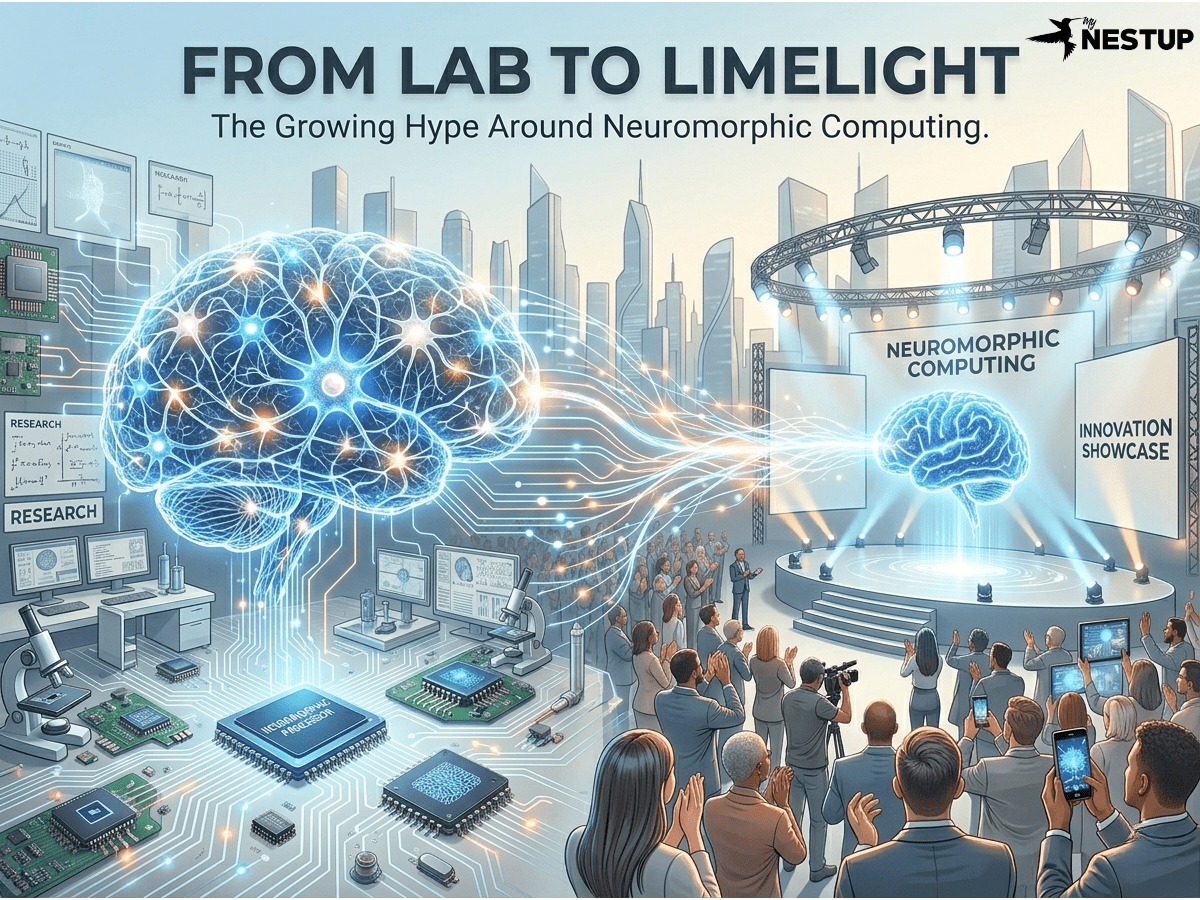
Neuromorphic systems are a new kind of computing. They use artificial brain cells and connections on specialized chips. These systems process data using a method called spiking neural networks (SNNs). Unlike regular computers that run all the time, neuromorphic parts only turn on (or “spike”) when they need to send or receive information. This is like how real neurons in a brain work. This design helps them use much less power and compute faster for certain jobs. Neuromorphic computing is about building computer hardware and software that acts like the human brain. The main goals are to use less energy, process things immediately, and learn easily. This is a new research area. Many people are talking about it because it could solve the problems of high-power use and slow speed in today’s AI systems.
Examples of Neuromorphic computing:
- Intel’s Loihi and Loihi 2: These research chips are built for systems that can learn and change their behavior directly on the chip itself. The Loihi 2 chip can support up to one million artificial neurons.
- IBM’s TrueNorth and NorthPole: TrueNorth is an extremely energy-efficient chip. It has over a million neurons and is mainly used to recognize patterns and handle data from sensors. NorthPole is a newer model that takes this idea further by putting the computing power and the memory together more closely on a single chip.
- BrainChip’s Akida: This is a neuromorphic processor available for purchase now. Its main purpose is for AI in small devices (called edge AI), such as smart cameras or autonomous sensors.
How does neuromorphic computing work?
Neuromorphic computing, also called neuromorphic engineering, is a brain-inspired way of computing. It involves creating hardware and software that mimic the brain’s neurons and connections (synapses). The goal is to process information like a human brain does. This field isn’t new; it started in the 1980s. Pioneers like Misha Mahowald and Carver Mead developed the first artificial retina, cochlea, neurons, and synapses on silicon chips. Today, as AI systems get bigger, they need powerful new hardware. Neuromorphic computing can speed up AI growth. It can also boost high-performance computing and might even be a foundation for artificial superintelligence. Researchers are even trying to combine it with quantum computing. Experts agree that neuromorphic computing is a top emerging technology for businesses to explore. It’s developing fast, but it’s not yet common in everyday use.
Where is it used?
- Smart Devices (Edge AI & IoT): It allows devices like smart sensors, wearables, and equipment to perform AI tasks like voice or gesture recognition locally. They can run on battery power without needing a constant internet or cloud connection.
- Robotics and Self-Driving Systems: Neuromorphic computing helps robots and autonomous vehicles process sensory data instantly. For example, event-based cameras only record movement, which saves energy. This leads to better navigation and faster decision-making in changing environments.
- Healthcare: It can quickly analyze complicated medical data like brain scans (EEG/MRI) to help diagnose neurological problems sooner. It also helps create more responsive prosthetics and advanced brain-computer interfaces.
- Cybersecurity: The pattern-finding abilities of these systems are used for real-time security. They can quickly and efficiently spot unusual activity or potential security breaches.
Challenges in Neuromorphic Computing:
As a cutting-edge field, neuromorphic computing is still in its infancy, so it must overcome several significant obstacles:
- Accuracy Compromises: A major challenge is maintaining performance. When traditional deep neural networks are adapted into the spiking neural networks used in neuromorphic hardware, a drop in overall accuracy can occur. The specialized memory component in this hardware can suffer from slight inconsistencies between operational cycles and device-to-device variations. These factors, alongside limitations in how precisely synaptic weights can be stored, collectively reduce the system’s precision.
- Absence of Standards and Metrics: Because the technology is so new, the field currently lacks standardized blueprints for hardware and software architecture. There are no universally agreed-upon benchmarks, common datasets, testing scenarios, or evaluation metrics. This makes it incredibly difficult to objectively compare different neuromorphic systems and conclusively demonstrate their real-world utility.
- Software and Availability Limitations: Much of the algorithmic work being done still relies on software originally built for conventional von Neumann computing systems. This reliance can limit the true potential of the neuromorphic architecture. The essential tools, like application programming interfaces (APIs) and dedicated languages for these new systems, are either undeveloped or not yet widely accessible to the broader developer community.
- A High Barrier to Entry: Neuromorphic computing is inherently complex, sitting at the intersection of numerous specialized fields, including neuroscience, computer science, electrical engineering, biology, mathematics, and physics. This highly interdisciplinary nature creates a steep learning curve, making the technology dense outside of a specialized university.
Conclusion:
Neuromorphic computing is a game-changer because it’s transforming how we build technology. Instead of using traditional chips, it creates hardware and software that mimic the brain. It creates incredible energy efficiency and capacity for instantaneous processing using spiking neural networks. We can already see its immense potential in pioneering projects like Intel’s Loihi, IBM’s TrueNorth, and BrainChip’s Akida. These technologies are paving the way for everything from smarter and faster robotics to improved medical diagnoses and stronger cybersecurity. This field promises to revolutionize Artificial Intelligence by solving the big problems of today’s AI, namely its high-power consumption and slow speed. The widespread use of neuromorphic computing is currently stalled by some tough hurdles. These include a drop in accuracy when converting AI models to this new format. A serious lack of universal standards and easy-to-use software, and the fact that the technology is so complex and interdisciplinary that it’s difficult for people outside specialized research labs to grasp.