


Edge Computing:
Edge computing is centered upon taking the computing power closer to where the data is created. The idea is to cut down on delays (latency) and reduce how much data needs to travel across the internet. So, instead of sending everything to the cloud to be processed, edge computing handles more tasks locally. By bringing computing closer to the “edge” of the network, there’s less long-distance communication between devices and central servers. This makes things efficient and faster. Simply put, edge computing brings some of the storage and processing power closer to where data is created rather than relying entirely on a distant data center. Only the useful results, like real-time insights or maintenance alerts, are sent back to the main data center for further review.
What Makes Edge Computing Different?
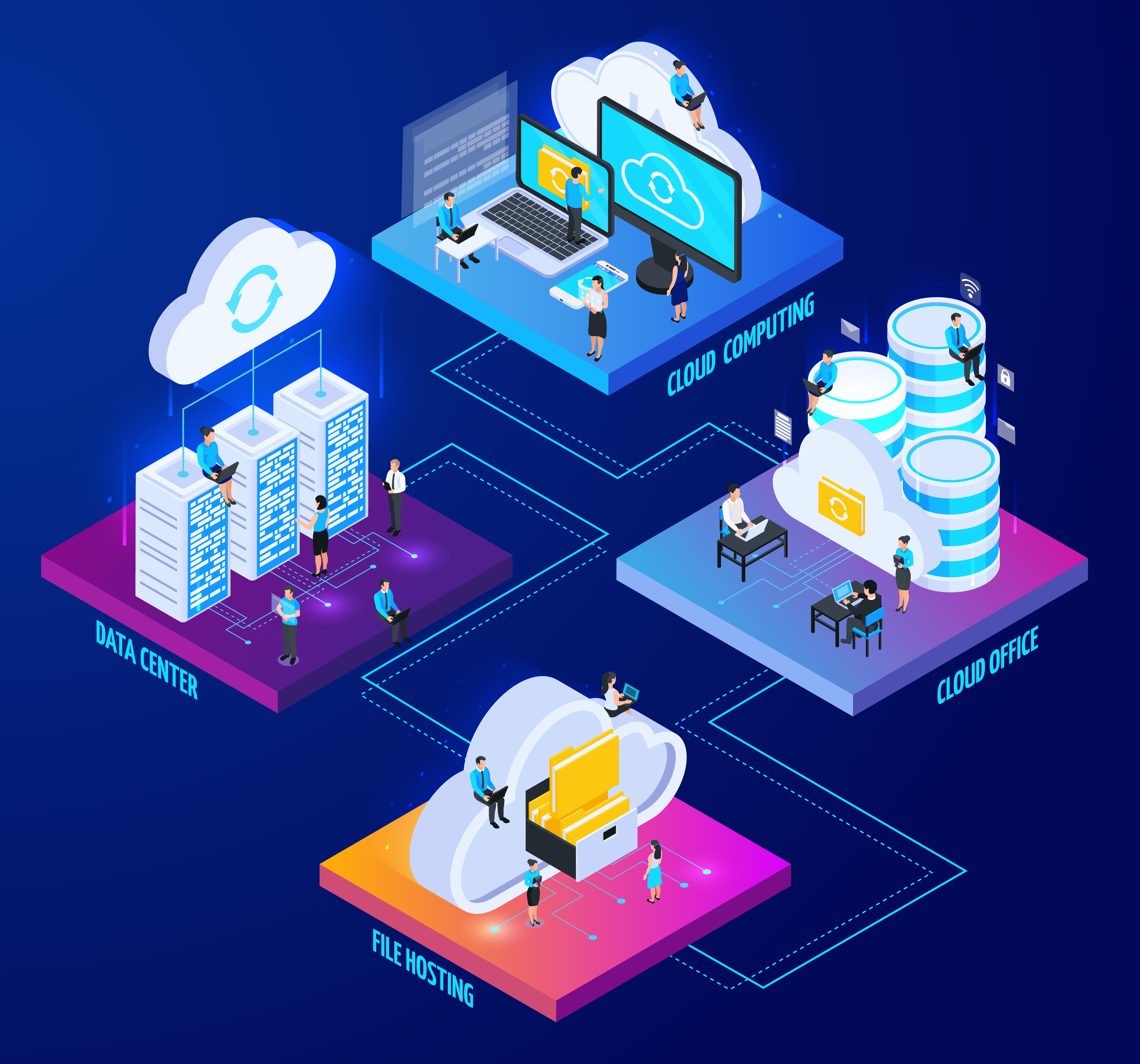
In the early days, computers were huge. They could only be used directly or through connected terminals. Then personal computers came along, letting people store data and run programs locally. Later, cloud computing changed the game again by moving data and applications online, making them accessible from anywhere. However, cloud computing can slow things down because data has to travel long distances to big data centers. Edge computing fixes that by bringing processing power closer to where the data is created. Like on local devices or nearby servers. This results in faster speeds and less lag.
How Edge Computing Works?
Edge computing works by moving data processing closer to where the data is created, making everything faster and more efficient. Here’s how it happens step by step:
- Data generation: Devices like sensors, IoT gadgets, and connected systems constantly produce massive amounts of data at the “edge.”
- Local processing: Instead of sending all that data to the cloud, edge servers handle it right where it’s generated. This makes it easier to process data in all kinds of places, from factories and retail stores to outdoor or high-temperature environments.
- Real-time insights: With built-in AI, edge devices can analyze data instantly, which is crucial for time-sensitive tasks like self-driving cars or automated manufacturing.
- Smarter data transfer: Only important or summarized information is sent to the cloud, cutting down on bandwidth use and storage costs.
- Optimized connection: Edge systems still stay linked with central cloud platforms, so businesses can easily monitor, manage, and scale everything from one place.
Key Benefits:
- Low latency: Cloud systems can sometimes lag, causing slow responses and poor user experiences. Especially for time-sensitive tasks. Edge computing fixes that by processing data closer to where it’s created, cutting down on delays and speeding up response times.
- Reduced bandwidth use: IoT devices generate massive amounts of data, and sending all of it to the cloud can get expensive. By handling most of the processing at the edge, only essential data gets sent to the cloud, saving both bandwidth and costs.
- Better reliability: Internet issues or service disruptions can interrupt data flow and slow operations. Edge computing helps run things smoothly by storing and processing data locally, even in areas with weak or unstable connectivity.
- More privacy and control: Since less data is transmitted over the internet, edge computing keeps sensitive and personal information more secure. It also helps organizations follow regional data laws by keeping certain data within specific geographic boundaries.
References:
https://www.ibm.com/think/topics/edge-computing
https://www.intel.com/content/www/us/en/learn/what-is-edge-computing.html
https://www.hpe.com/emea_europe/en/what-is/edge-computing.html
https://www.cloudflare.com/en-gb/learning/serverless/glossary/what-is-edge-computing