


What Is Cybersecurity:
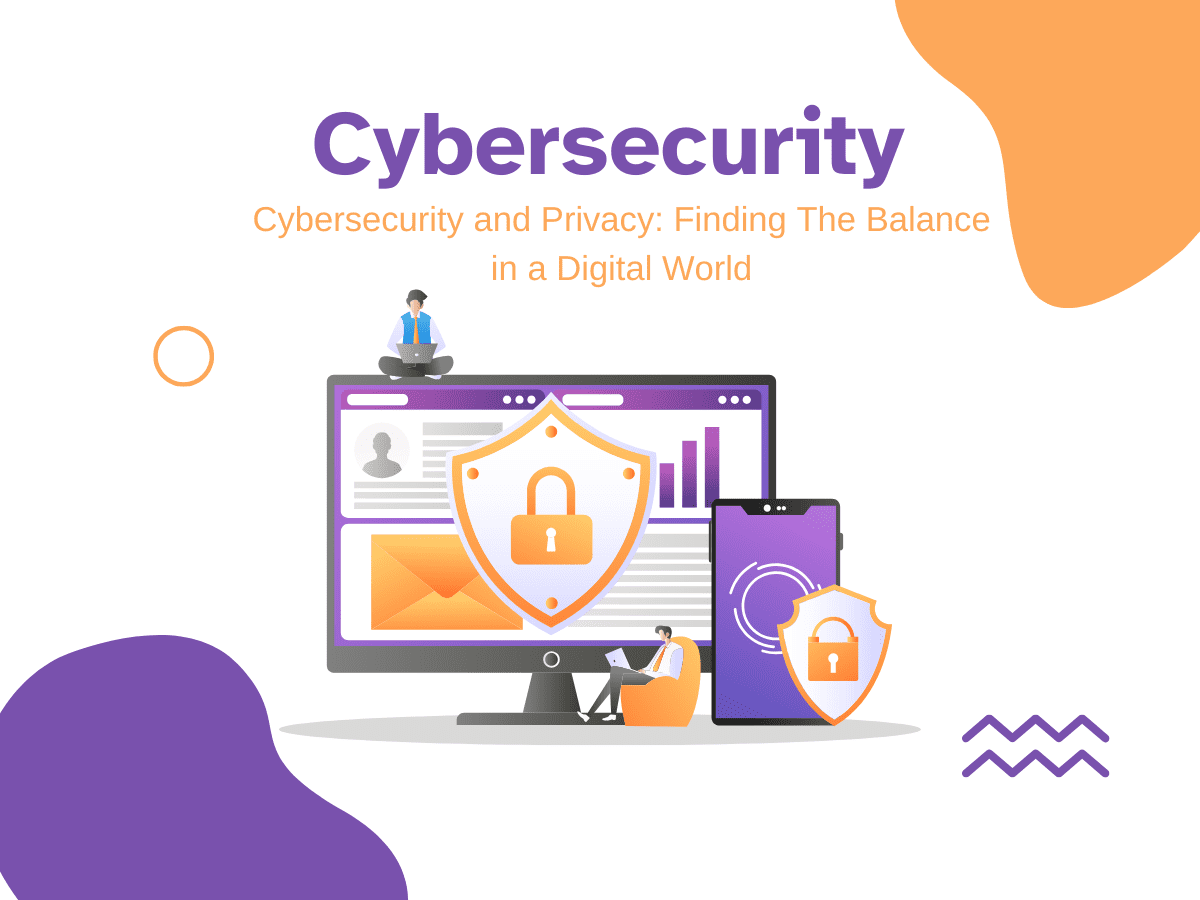
Cybersecurity refers to protection for people, systems, and data from digital attacks through a mix of technology and well-defined policies. For businesses, it’s a critical part of overall risk management. Especially when it comes to addressing cyber risks that could disrupt operations or compromise sensitive information. Today’s most common threats include ransomware, phishing scams, data breaches, and, increasingly, attacks enhanced by artificial intelligence (AI). As these threats become more advanced and frequent, organizations are responding by strengthening their defenses and investing heavily in security. In fact, the International Data Corporation (IDC) estimates that global spending on cybersecurity will soar to around USD 377 billion by 2028, reflecting just how vital digital protection has become in our digital world.
What is Cloud Security:
Cloud security, in contrast, focuses specifically on protecting data and systems that operate within cloud environments. It applies across all types of cloud models such as , Infrastructure as a Service (IaaS), Platform as a Service (PaaS), and Software as a Service (SaaS).
Although it falls under the broader umbrella of cybersecurity, cloud security is often treated as a distinct discipline. As it comes with its own set of challenges. One key factor is the shared responsibility model, where both the cloud provider and the customer share accountability for keeping data and systems secure. Traditional on-premise security tools often don’t translate well to the cloud, leaving gaps that attackers can exploit. Common cloud-specific risks include misconfigurations, insecure APIs, and the complexities of managing multi-cloud environments. All of which require specialized strategies and tools to ensure robust protection.

Importance of Cybersecurity:
Cyberattacks and cybercrime have the power to disrupt businesses and harm communities. They can even endanger lives. A single security incident can result in the loss of sensitive data. Its consequences can ripple across organizations and economies alike. Experts estimate that by 2025, cybercrime could cost the global economy a staggering USD 10.5 trillion annually.
So, why is cybersecurity more critical now than ever before? The answer lies in how technology and cybercrime evolve side by side. As businesses adopt cloud computing to boost efficiency and innovation, cybercriminals see these advancements as an opportunity for attack. The growing digital footprint of modern organizations has created a larger attack surface for bad actors to exploit. Adding to the challenge, cybercriminals are becoming more sophisticated. According to the IBM X-Force 2025 Threat Intelligence Index, many attacker are use the dark web to purchase hacking tools and share intelligence anonymously.
Common Types of Cyber Threats:
- Malware: Malware, short for malicious software, refers to any program designed to damage or exploit computers and their users. Think of things like Trojans or spyware. These days, almost every cyberattack includes some form of malware.
- Ransomware: Ransomware is one of the nastier ones. It locks up your files or device and demands money to unlock them. The good news? These attacks have dropped since 2023 because more people are refusing to pay and governments are tracking down on the hackers behind them.
- Phishing: Phishing is when scammers pretend to be someone you trust. For instance, your bank or a popular brand, to trick you into clicking fake links or giving away personal info. You’ve probably seen those “update your password” emails before. Some scams are super generic, while others target specific people or companies to steal big money or sensitive data.
- Credential theft and account abuse: Hackers are always trying to steal login details. They use sneaky tricks, from phishing emails to complex attacks like Kerberoasting (which targets Windows systems). In 2025, IBM found a spike in phishing campaigns that spread “infostealer” malware made to grab usernames, passwords, and other private data.
- Insider threats: Sometimes the danger comes from the inside. Such as employees or contractors who misuse their access, either by accident or on purpose. Since these actions look legit, they’re really hard to spot with normal security tools.
- AI-powered Attacks: Hackers have now use AI to make their attacks smarter and faster. They can create fake emails, websites, or even business documents in minutes. Some find ways to manipulate AI systems themselves, trick them into revealing data or spreading misinformation through something called prompt injection.
- Cryptojacking: Cryptojacking happens when hackers sneak onto your device and secretly use its processing power to mine cryptocurrencies like Bitcoin or Ethereum. It’s been around since about 2011, right after cryptocurrencies started gaining popularity. Basically, your computer or phone is doing all the work while the hacker reaps the rewards.
- DDoS (Distributed Denial-of-Service) Attacks: A DDoS attack is when hackers try to crash a website or online service by flooding it with tons of traffic. They usually do this using a botnet. This is a network of infected devices controlled remotely. Lately, cybercriminals have been getting sneaky by combining DDoS attacks with ransomware, or just threatening a DDoS unless you pay up.
Simple Cyber Safety Tips
- Keep you software up to date: Regularly update your apps and operating systems so that you are protected by new security patches. These updates often fix loopholes that hackers love to exploit.
- Use reliable antivirus software: A good security program can detect and remove threats before they can cause damage. Make sure it is always up to date for maximum protection.
- Create strong and unique passwords: Avoid simple or predictable passwords. Use a mix of letters, numbers and symbols. Never use the same ones across multiple accounts.
- Be cautious with email attachments: If you do not recognize the sender, do not open their attachments. They might contain malware that infects your device.
- Think before clicking links: Suspicious links in email or on unfamiliar websites are often traps set by cybercriminals. When in doubt, do not click.
- Avoid public Wi-Fi for sensitive tasks: Free Wi-Fi might be convenient, but it is often unsecure. If you must use it, avoid logging in to bank or personal accounts.
Due to the digitalization these days, cybersecurity and cloud security go hand in hand. As our data and business operations move to the cloud, protecting that environment becomes just as important as securing our personal devices. The truth is that no system is ever completely risk-free but with a culture of awareness, we can make our online spaces safer. With strong security practices and regular updates we can create a foundation for a secure digital future.
References:
https://www.ibm.com/think/topics/cybersecurity
https://www.kaspersky.com/resource-center/definitions/what-is-cyber-security
https://www.fortinet.com/resources/cyberglossary/what-is-cybersecurity
https://www.techtarget.com/searchsecurity/definition/cybersecurity