



What is Clean Water technology?
Clean water technology encompasses the scientific methods and engineering processes used to remove contaminants and harmful microorganisms from water to make it safe for drinking and other uses. These technologies are crucial because, despite water covering 70% of the Earth, a staggering 2.2 billion people still lack access to safely managed drinking water. The treatment processes are generally categorized into physical, chemical, and biological methods. Simple physical processes include filtration and sedimentation, while chemical treatment often involves chlorination to disinfect the water. Advanced systems combine these methods to tackle the complex mix of contaminants found in groundwater and wastewater, ensuring water quality standards are met globally.
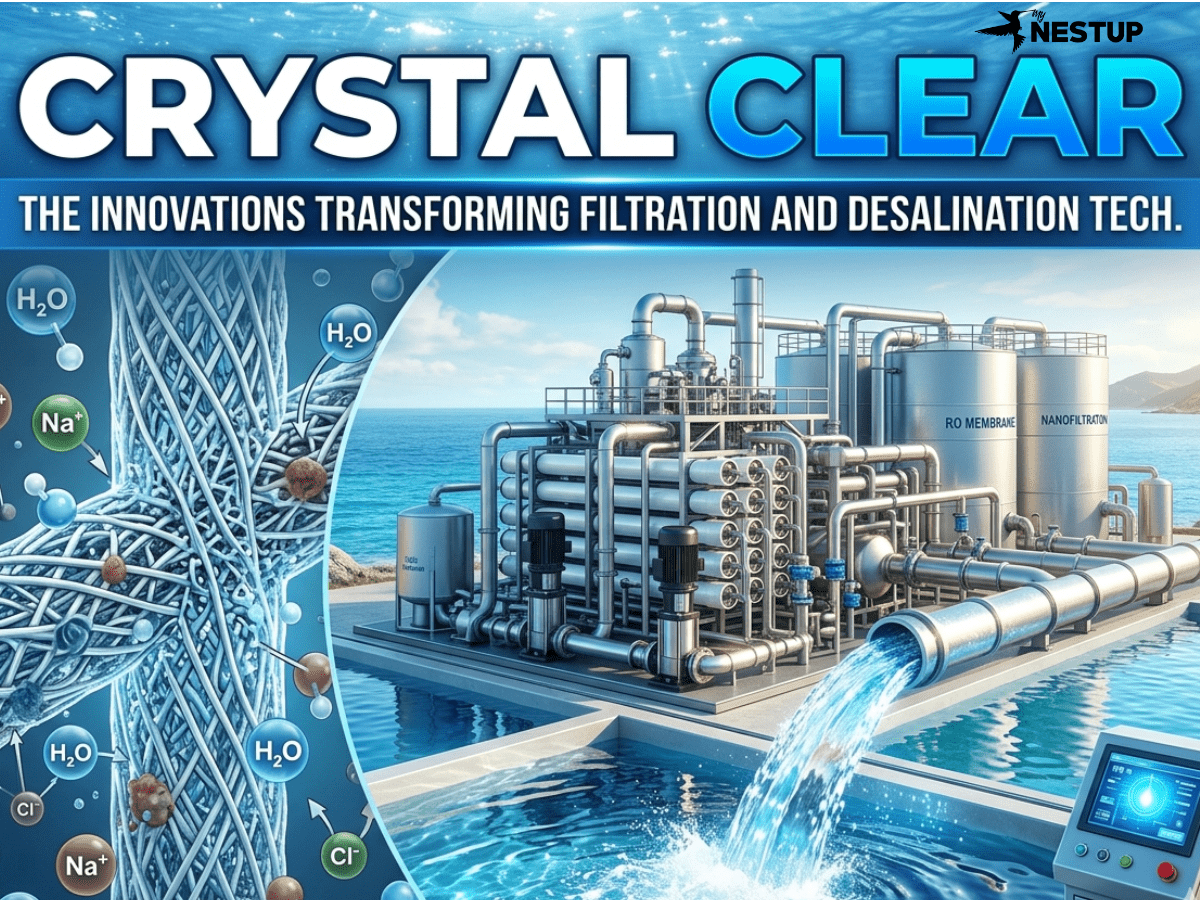
The drive for greater water security has pushed innovation into highly advanced areas, especially in filtration and purification. Membrane technology is at the forefront, using semi-permeable barriers to physically block contaminants. This includes:
- Reverse Osmosis (RO): Uses pressure to force water through a membrane, effectively removing dissolved solids, heavy metals, and most microorganisms.
- Ultrafiltration (UF) and Nanofiltration (NF): Employ membranes with different pore sizes to filter out progressively smaller particles.
Other cutting-edge methods include nanotechnology, which uses materials at the molecular level to create highly efficient filters. Advanced oxidation processes that use powerful chemical reactions to break down persistent chemicals like pharmaceuticals and pesticides.
A critical part of clean water technology is the treatment and safe reuse of wastewater. In the past, much of the world’s sewage and industrial runoff was discharged without proper cleaning, leading to widespread pollution. Modern wastewater solutions treat this water so it can be safely recycled for non-drinking purposes like agricultural irrigation or industrial processes. Innovative companies are now deploying modular, on-site treatment systems that can recover over 95% of wastewater for reuse, reducing the strain on natural freshwater sources. Apart from that, smart technologies, like sensors and AI, are being integrated to monitor water quality in real-time and detect leaks in distribution systems, boosting efficiency.
Filtration Innovations:
The way we clean water is getting a major upgrade, thanks to new materials and smarter designs that can catch a wider range of pollutants than ever before. Mentioned below are a few methods to remove these pollutants;
- Nano-Tech Filters: Scientists are using tiny, cutting-edge materials like graphene oxide and carbon nanotubes to build new filters. These “nanofiltration” membranes let water flow through faster but are much better at blocking contaminants. They don’t just stop dirt and germs; they can efficiently screen out tiny traces of heavy metals and chemical pollutants. Best of all, they work with less pressure and use less energy than the standard filters we currently rely on.
- Nature-Inspired Membranes: Researchers are looking to biology for inspiration. They are creating new membranes that use aquaporin proteins, which are the natural “water channels” found in your own cells. This technique mimics nature’s highly efficient water transport system, leading to filters that allow extremely fast water flow while being more resistant to clogging.
- Enhanced Natural Filters: Simple and affordable bio-sand filters, often used in rural areas, are being improved by adding biological processes that boost their cleaning power. This makes them perfect for communities without a reliable power supply. Traditional knowledge is being used, with research showing that certain medicinal herbs, like Tridax procumbens, can naturally absorb and remove excess fluoride from water.
- Self-Operating Filtration: A clever technique called Automatic Variable Filtration (AVF) is changing how we pre-treat water. It works without any electricity or moving parts by using an upward flow of dirty water against a downward-moving filter material. This provides a simple, energy-free, and affordable way to treat wastewater and prepare water before it goes through more intensive cleaning processes like desalination.
Distillation Innovations:
The process of turning saltwater into fresh water (desalination) is becoming much smarter. Innovations are addressing the two biggest hurdles: the massive amount of energy it usually requires and the need to safely dispose of the highly concentrated salty wastewater, known as brine.
- Sun-Powered Water: Systems are getting creative, from simple devices that use the sun’s heat to evaporate and condense water (solar stills) to complex photovoltaic-thermal (PVT) systems that cleverly generate both the electricity and the heat needed to run modern plants.
- Harvesting Ocean Motion: Innovative floating devices are being developed that harness the natural motion of ocean waves to directly power the pumps used in Reverse Osmosis (RO) systems. This means fresh water can be produced offshore without needing land or traditional fuel.
- Recycling Energy: Modern RO facilities now feature Energy Recovery Devices (ERDs). These brilliant mechanisms capture the high-pressure energy from the salty water being discarded and reuse it in the process. This dramatically slashes the plant’s overall energy use and operating expenses.
- Targeted Membrane Chemistry: Researchers are fine-tuning the chemistry of membranes and electrodes. The goal is to specifically isolate and remove difficult contaminants, such as boron and heavy metals. By eliminating these pollutants upfront, plants can skip complex and expensive chemical post-treatment steps, potentially saving billions.
- Forward Osmosis (FO): This technology uses a natural osmotic pull rather than high pressure to move water through a membrane. Since it works at low pressure, it’s energy-friendly and is excellent for pre-concentrating the water before it enters an RO system, significantly lowering the energy needed for the final cleaning stage.
- Capacitive Deionization (CDI): This process uses electricity instead of physical membranes or high pressure. It applies a low electrical charge to carbon electrodes, which act like magnets to attract and hold the salt ions, effectively desalinating the water.
- Zero Waste Goal (ZLD): The biggest innovation in brine handling is Zero Liquid Discharge. Instead of dumping the salty wastewater back into the environment, ZLD focuses on treating this concentrated brine to recover valuable minerals like lithium, magnesium, and potassium. The final step is producing harmless solid salt, turning a pollution problem into an additional source of revenue.
Looking Ahead: Where Do We Go from Here?
While the progress in creating sustainable and affordable clean water technologies has been impressive, the ultimate goal of ensuring everyone has safe drinking water still presents significant challenges. Future research and innovation must concentrate on these critical areas:
Making Water Affordable for All:
Even with the exciting technological leaps we’ve seen, the cost of many advanced purification systems remains too high for communities living on the margins. To truly achieve universal access, our future efforts must center on bringing down these price tags. This means not only finding ways to make the technology cheaper through massive production (economies of scale) and clever innovations, but also establishing strong collaborative partnerships that can finance and deliver these solutions to those who need them most. The focus is simple: clean water should not be a luxury.
Ensuring Long-Term Sustainability:
The technologies we develop must be built to last and to thrive in a changing world. Their long-term success depends on their minimal impact on the environment, smart use of resources, and ability to withstand the effects of climate change (like droughts or floods). We need continued investment in key areas: seamlessly integrating renewable energy (solar, wave, wind) into water systems, developing new, resilient materials science for infrastructure, and adopting ecosystem-based approaches that work with nature rather than against it.
Achieving Equity and Universal Access:
The journey to providing clean water for everyone requires confronting and fixing the underlying systemic inequalities. We must ensure that the communities currently facing the worst water scarcity are not overlooked. Governments, non-profit organizations (NGOs), and the private sector have a shared responsibility to make water equity a top priority. This involves strategically investing in water infrastructure that is specifically designed to meet the unique needs and uplift the most vulnerable populations, ensuring that technological progress benefits all of humanity.
Conclusion:
The convergence of cutting-edge filtration and desalination innovations is creating a genuine revolution in how we secure fresh water globally. From leveraging the precision of nanotechnology and the efficiency of nature-inspired membranes to pioneering zero-waste desalination powered by the sun and ocean, technology is rapidly overcoming the traditional barriers of high cost and energy use. However, the ultimate success of this progress hinges not just on technical brilliance, but on a concerted global commitment to affordability, long-term sustainability, and equity. By prioritizing research into low-cost solutions, ensuring our systems are resilient to climate change, and strategically investing to serve the most vulnerable populations, we can turn these technological breakthroughs into a reality where safe, clean drinking water is accessible to every person on Earth.
References: