


What is Climate Tech?
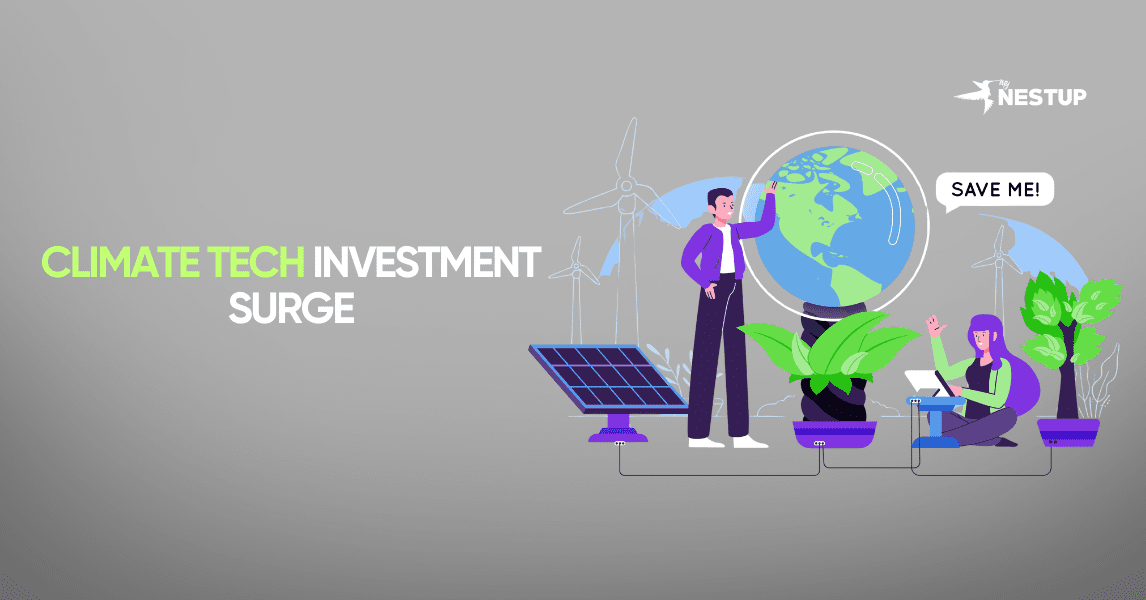
Climate technology, or Climate tech, is an umbrella term for innovations specifically designed to combat climate change. Whether these changes are significantly reducing the amount of greenhouse gas emissions released into the atmosphere or by helping human and natural systems adapt to the increasingly noticeable effects of a warming world. A key example of this technology is carbon capture, which is a specialized process aimed at preventing carbon dioxide. These are the primary greenhouse gases, and carbon capture helps prevent them from entering the atmosphere in the first place, usually by trapping and storing them at large emission sources like power plants. Climate tech provides the necessary tools and processes, from large-scale CO2 removal to resilient infrastructure development, that are critical for achieving global climate goals.
Key Climate Tech Solutions:
- Electric Vehicles (EVs): These are crucial for cleaning up our transportation sector. By swapping out gasoline and diesel for electric power, we can dramatically cut down on tailpipe emissions. As the electricity generated is from renewable sources.
- Renewable Energy and Storage: This involves systems like wind and solar power that generate clean electricity. The challenge of this is solved by advanced battery storage, which holds the power until it’s needed, making the whole system reliable.
- Sustainable Agriculture: This field uses precision farming techniques and technology to optimize resource use. Ensuring that farmers get the most out of their land while cutting down on farm-related greenhouse gas emissions. A specific technique is using biochar, a charcoal-like substance made from plant matter, to enrich the soil and effectively lock carbon away underground.
- Sustainable Materials: The goal here is to develop and use low-emission alternatives for products that traditionally require a lot of energy to manufacture. For example, innovators are creating sustainable construction materials by repurposing agricultural byproducts instead of relying on high-emission inputs.
- Hydrogen Fuel: Green hydrogen is a particularly clean fuel option made by using renewable energy to split water molecules. It has the potential to decarbonize difficult-to-clean sectors like heavy industry and long-distance shipping.
Why Climate Tech matters:
Investing in climate technology naturally drives a cycle of innovation. It pushes researchers and developers to find smarter, more efficient ways to clean up our energy and industrial systems. The expansion of the climate tech industry is a powerful job creator. This growing market requires a skilled workforce, opening up new career paths for engineers, technicians, project managers, and many others. Climate tech offers the crucial tools needed to decarbonize sectors that are difficult to fix, such as heavy manufacturing. These technologies provide pathways for industries to shrink their carbon footprint significantly. It doesn’t act alone; climate tech strengthens and supports other environmental initiatives. With efforts focused on energy efficiency and simple emission reductions, it helps accelerate the overall shift toward a low-carbon economy.
Challenges and Drawbacks of Climate Tech:
While promising, climate technology faces significant headwinds, particularly concerning high costs. Many innovative solutions carry steep initial implementation and ongoing operational expenses, which often make it difficult to deploy them affordably on a massive scale. This leads to major scaling barriers since moving from pilot projects to widespread, national adoption demands colossal investment and the build-out of entirely new systems. Compounding this challenge are infrastructural limitations. Developing the vast physical networks necessary for transporting and storing materials like captured CO2 and green hydrogen is a slow and highly expensive process. It delays the full realization of the technology’s benefits.
What is Carbon Capture, and why do we need it?
Carbon capture is a crucial climate technology that acts like a high-tech filter, specifically designed to snag carbon dioxide CO2 right before it can escape and enter the atmosphere. Once this carbon is captured, the system offers two main pathways for handling it. Either the CO2 is tucked away permanently and safely deep underground, or it is repurposed and converted into a variety of valuable products. Because this climate strategy encompasses trapping the carbon, finding a use for it, it is globally recognized and often referred to by the comprehensive name CCUS, which stands for Carbon Capture, Utilization, and Storage.
Types of Carbon Capture:
There are several distinct methods for capturing CO2, each targeting the carbon at a different point in the industrial cycle:
- Post-combustion: This is the most common technique and is essentially an “after-the-fact” cleanup. The fuel is burned normally, and the CO2 is then filtered out of the resulting smoke. This method is popular because it can be added to existing power plants without rebuilding them entirely.
- Pre-combustion: Instead of cleaning up the smoke, this method catches the CO2 before the main burn. The fuel is first processed, often turned into a fuel gas called syngas. The CO2 is separated out right then and there. The cleaned gas is then burned for energy, making the final exhaust much cleaner.
- Oxy-fuel Combustion: This is a clever approach where we ditch the air and burn fuel using pure oxygen instead. Burning in pure oxygen creates exhaust that is almost entirely water vapor and a highly concentrated stream of CO2. This high concentration makes the CO2 much simpler and cheaper to isolate and capture.
- Direct Air Capture (DAC): Unlike the others, which focus on point sources, DAC is a large-scale vacuum cleaner for the sky.It works by actively pulling CO2 out of the ambient air around us, no matter where the pollution originated.
- Inherent Process Capture: This targets the CO2 that is released not from burning, but as a direct side-effect of a manufacturing process itself. A great example is when making ethanol; the fermentation naturally produces CO2, and this method simply captures that stream.
Conclusion:
The scope of climate technology, from Electric Vehicles and Renewable Energy to sophisticated processes like Carbon Capture (CCUS), shows we have the innovation to tackle climate change head-on. These technologies promise a clean, job-creating future and offer the only practical pathways to decarbonize hard-to-clean sectors. Their widespread adoption is currently held back by significant challenges, namely high costs, scaling barriers, and the immense need for new infrastructure. Achieving global climate goals requires not just developing these CO2-fighting tools, but aggressively overcoming these financial and logistical hurdles to deploy them at the speed and scale necessary for a swift shift to a low-carbon economy.
References:
https://neg8carbon.com/what-is-climate-tech