


What is AI in Retail?
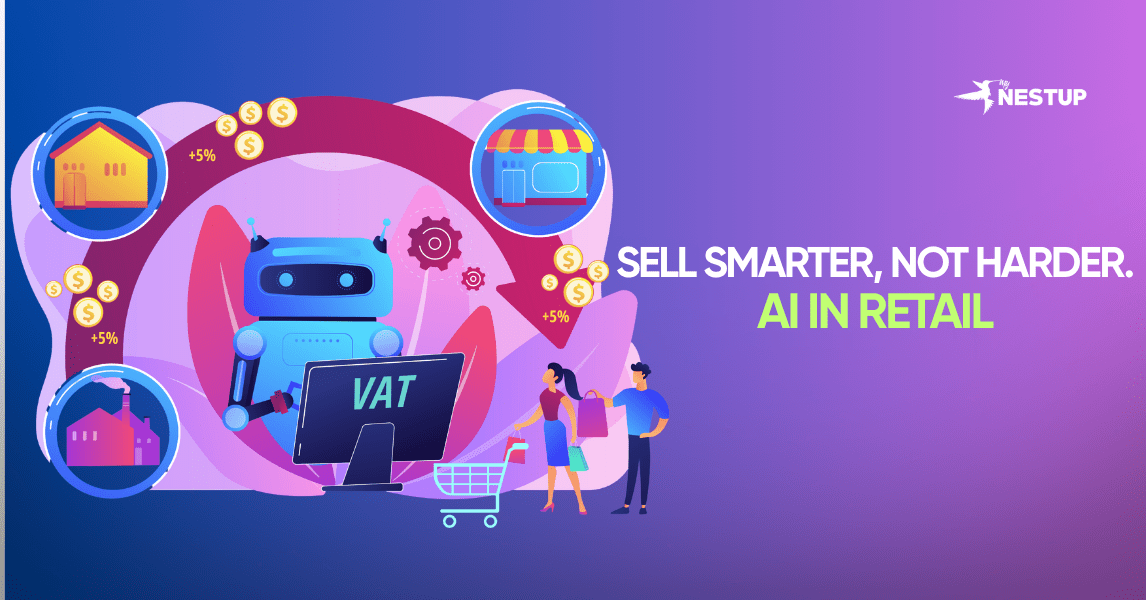
AI in retail involves a wide range of sophisticated applications, moving beyond basic personalization. It uses complex machine learning algorithms to process massive datasets. This includes inventory levels, supply chain logistics, and external factors like weather and social media trends, for demand forecasting. For the shopper, AI refines personalization by powering advanced recommendation engines that suggest products with uncanny accuracy, leading to higher conversion rates. Retailers also leverage AI for enhanced operational efficiency; it is critical in automated inventory management. It optimizes stock levels in real-time to prevent both overstocking and stockouts. AI systems are employed for loss prevention and fraud detection, analyzing transactional data and in-store video feeds to flag suspicious activities instantly. This holistic use of data and automation allows retailers to tailor everything from marketing campaigns to physical store planning, creating a seamless and hyper-relevant shopping journey for the consumer.
The Real Power of AI Analytics in Retail:
The core function of AI in retail analytics excels the simple reporting of past sales figures, establishing a new paradigm that prioritizes proactive strategy over reactive response. While traditional Business Intelligence tools merely confirm what happened, AI systems are designed to deliver three deeper layers of insight. First, they engage in Diagnostic Analytics, correlating the sales data with hundreds of internal and external factors to explain precisely why that drop occurred. These could be localized weather, competitor actions, social media sentiment, and recent shelf placement changes. This root-cause analysis moves the retailer beyond symptoms to identify actual performance drivers. Second, AI excels at Predictive Analytics, utilizing machine learning to forecast demand at highly granular levels by intelligently weighing seasonality, promotions, and known events. This function allows retailers to predict what is going to happen next, optimizing everything from inventory levels to labor schedules to maximize efficiency and minimize lost sales from stock-outs or unnecessary costs from overstocking. Finally, AI offers Prescriptive Analytics, suggesting the best action to take to maximize success. This involves running millions of optimization scenarios to recommend the ideal price point. The exact timing of a markdown, or the necessary in-store operational move, effectively acts as an automated, real-time strategic consultant that converts data directly into tangible financial results.
Key Ways Retailers Use AI:
AI is integrated across the entire business to make it smarter and more efficient:
- Customer Experience: AI makes shopping feel personal. It delivers personalized recommendations, provides instant help through AI chatbots, and analyzes customer feedback to understand satisfaction levels.
- Operations & Inventory: It helps run the store smoothly. Retailers use AI for accurate demand forecasting, setting up automated reordering so shelves stay stocked. It manages product displays with smart shelf management and optimizes the physical store layout for better sales.
- Pricing & Marketing: AI helps them earn more. It enables dynamic pricing, ensures promotions are targeted to the right customers, and helps optimize marketing campaigns for the best return.
- Security: AI acts as a digital watchdog. It provides real-time fraud detection and aids in loss prevention by recognizing suspicious patterns in transactions or in-store activity.
How it Works (Technologies):
AI in retail relies on three main groups of technologies to function: Machine Learning (ML), Computer Vision, and Natural Language Processing (NLP).
Machine Learning (ML):
This is the brain of the operation. ML algorithms are fed vast amounts of historical data and they learn from it. This data could be past sales, pricing, and inventory. This allows them to accurately predict future trends, figure out the optimal levels for stock, and quickly adapt to sudden changes in the market or customer behavior.
Computer Vision:
This gives the system ‘eyes’ in physical stores. It works by analyzing video footage to understand customer behavior. For instance, it can track the paths shoppers take, how long they dwell in front of a specific display, and how they interact with products or shelving. This data helps managers optimize the store layout.
Natural Language Processing (NLP):
This allows the system to ‘read’ and ‘understand’ human language. NLP processes text from customer reviews, conversations with chatbots, and content on social media. By doing this, it performs sentiment analysis to gauge customer feelings and extract valuable insights about products and services.
AI in Demand Forecasting:
AI is transforming demand forecasting. It uses huge amounts of diverse data to predict exactly what customers will buy. This data could be like real-time sales, market trends, social media chatter, weather, and customer feelings. Unlike old forecasting models that mostly look at past sales, AI systems learn constantly. They quickly adjust to new patterns and can even predict demand for brand-new items. This means fewer stockouts and much less wasted inventory. Ultimately, operations run smoother, and customers are happier. Retailers using AI for this task often see up to 30% better accuracy and a 20% cut in excess stock.
Real-world retail implementation:
Major retailers such as Target, Amazon, and Zara demonstrate how AI is reshaping demand forecasting and retail analytics in real, measurable ways. These companies use advanced AI systems to analyze huge volumes of data, from sales and online activity to weather and social trends, to predict what customers will want and when. Listed below are the stores;
- Target has adopted an advanced AI retail intelligence system that brings together predictive analytics, computer vision, and automated marketing. This platform updates and learns every day using massive amounts of data from sources like sales records, online searches, weather forecasts, and local events. By analyzing these patterns, it can automatically identify sudden changes in demand, such as a rise in grocery purchases before a storm. and respond on its own by restocking products and adjusting in-store promotions based on each store’s location and customer preferences.
- Amazon heavily relies on AI throughout its logistics and fulfillment operations. Intelligent robots powered by AI streamline warehouse picking and inventory handling, greatly improving efficiency and cutting costs, expected to save the company around $16 billion a year by 2032. Its AI-based demand forecasting systems further enhance operations by accurately predicting product needs, reducing both shortages and overstock, and ensuring an optimal balance between cost efficiency and reliable service.
- ZARA uses AI to predict fashion trends in real time, helping the company decide how to distribute and restock inventory more effectively. By analyzing data from sales patterns, weather conditions, and social media activity, the system can anticipate customer preferences and adjust stock levels accordingly. This approach has lowered Zara’s inventory holding costs by about 15% and boosted stock turnover, enabling the brand to stay alert and quickly adapt to shifting fashion trends.
In-Store Application:
In-store AI applications are transforming the physical retail experience by making shopping more personalized and data-driven. Technologies such as facial recognition, smart signage, and AI-enabled sensors allow retailers to analyze customer demographics and behavior in real time, enabling the delivery of tailored promotions and product recommendations. This enhances customer engagement and also increases conversion rates by ensuring that marketing efforts are relevant and timely.
Apart from personalization, AI systems are streamlining operational efficiency and convenience. Cashier-free checkout and intelligent self-service systems reduce wait times and provide a seamless shopping experience that aligns with modern consumer expectations. AI-driven analytics optimize store management by predicting foot traffic patterns, automating staff scheduling, and ensuring product availability in high-demand areas. Together, these innovations enable retailers to improve both customer satisfaction and operational performance.
AI technologies are transforming the in-store retail experience by improving both customer satisfaction and operational performance through innovative applications:
- Personalized marketing and dynamic pricing: AI systems analyze real-time customer behavior and market conditions to deliver personalized product recommendations and automatically adjust prices based on demand shifts or competitor activity. This drives higher engagement and sales.
- Smart checkout and frictionless shopping: Using computer vision and sensor-based AI, retailers can enable cashier-less stores or intelligent self-checkout systems that minimize wait times and create a smoother shopping experience.
- Optimized store operations: AI forecasts in-store traffic and purchasing trends, allowing retailers to allocate staff efficiently and design product layouts that boost both sales and customer satisfaction.
Conclusion:
AI is no longer an optional upgrade for retailers; it is the core engine driving modern success. By moving past simple reporting to embrace Predictive and Prescriptive Analytics, make every part of the retail journey smarter. These AI systems are powered by Machine Learning, Computer Vision, and NLP. From accurately forecasting demand and optimizing supply chains (like Amazon and Target) to personalizing the in-store experience and adjusting prices dynamically, AI delivers a measurable double benefit: drastically cutting costs (like Zara’s inventory reduction) while creating a seamless, hyper-relevant shopping journey for every customer. In short, AI transforms retail from a guessing game into a precise, highly efficient operation focused on maximizing profit and customer satisfaction.
References: