


What is an AI-Powered Chatbot?
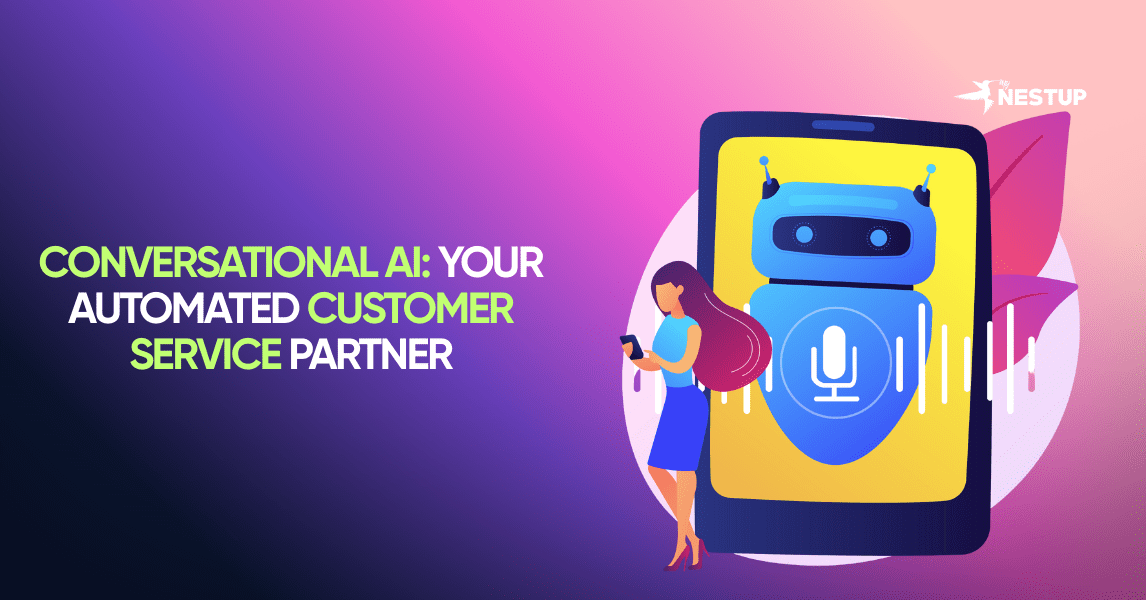
An AI-powered chatbot is essentially a more advanced form of a regular chatbot. It relies on machine learning and natural language processing to interpret what users are asking. It then delivers responses that are accurate and relevant. Just like traditional chatbots, it is designed to mimic real conversations, whether through text or voice. It is often used by companies to handle basic customer questions.
For ecommerce businesses, this technology is especially valuable. A chatbot can act as a virtual support agent that is available 24/7. It replies instantly to customer inquiries. It can recall past preferences, understand the context of conversations and much more.
As AI technology has rapidly advanced, chatbots have evolved just as quickly. So much so that today’s versions look nothing like the early ones. Modern AI-driven chatbots can function as full-fledged virtual assistants. They can understand both written and spoken language and deliver far more sophisticated replies. Instead of following rigid, prewritten scripts, they can tailor conversations to each user. They are offering a much more personalized and natural experience.
How AI Chatbots Work?
When a customer types a question into a chatbot, the system immediately begins analyzing the message to figure out what the user is asking. When it understands the intent, the chatbot searches through its internal knowledge base to find the most suitable answer and then generates a response. This smooth back-and-forth is made possible by several advanced technologies working together.
Here’s a closer look at the core components:
1. Large Language Models (LLMs)
LLMs sit at the heart of modern AI chatbots. These powerful neural networks are trained on enormous collections of text. It gives them the ability to understand context and produce natural, human-like responses. Models such as GPT help chatbots interpret user queries and generate replies that fit the conversation.
2. Natural Language Processing (NLP)
NLP enables machines to understand and process human language. With NLP, chatbots can break down user messages. They can identify important details and determine the intent behind the query. This ensures they provide answers that actually address what the user is trying to say.
3. Machine Learning
Machine learning algorithms help chatbots continually improve. By learning from past interactions and feedback, AI chatbots become more accurate over time. They help in refining their responses and improving the overall support experience.
4. Semantic Search
Semantic search is more than simple keyword matching. It helps chatbots understand the meaning behind a question. Even when it is worded differently. AI chatbots can pull the most relevant information from large data sources or knowledge bases, resulting in more precise answers.
5. Sentiment Analysis
Sentiment analysis helps chatbots detect the emotional tone in a customer’s message. Whether the person is frustrated, satisfied, confused or neutral. Recognizing these cues allows the chatbot to adjust its response style and offer more empathetic, personalized support.
How AI Chatbots help with customer support
1. Handling FAQs
AI Chatbots are is ideal for managing repetitive, common questions. They quickly deliver answers. This reduces the workload for humans. It allows them to focus on more complicated issues.
2. Troubleshooting
AI-powered chatbots can help customers diagnose problems. They walk them through solutions with clear, step-by-step instructions. They can also share links or resources to resolve issues faster.
3. Resolving L1 and L2 queries
Chatbots can take care of many Level 1 and Level 2 support requests. They do this by pulling information from knowledge bases and analyzing the customer’s problem. When necessary, they escalate the case to a human expert without breaking the flow.
4. Routing inquiries
By asking clarifying questions, chatbots can determine what the customer needs and how urgent the issue is. They then direct the inquiry to the right department or specialist, ensuring quicker and more accurate resolutions.
5. Proactive support AI chatbots can reach out to users based on specific triggers. This could include upcoming renewals, product changes or detected issues. This allows businesses to solve problems before they escalate and create a smoother, more supportive customer experience.
Benefits of AI Chatbots
AI chatbots make it possible to deliver personalized support. They improve team efficiency and cut operational costs. Here’s a closer look at what they bring to the table:
1. Better customer service
Since AI chatbots are available around the clock, customers can get immediate answers whenever they need them. And when an issue is too complex, the chatbot can smoothly transfer the conversation to a human agent. It ensures the customer is not left waiting and the support experience stays consistent.
2. Lower costs
By taking over routine questions and handling large numbers of inquiries on their own, AI chatbots reduce the workload on support teams. They can manage multiple conversations at once. This helps allowing businesses to scale their support operations without hiring additional staff
3. Improved customer experience
AI chatbots adapt to each user by offering suggestions and answers based on past behavior and context. They draw from knowledge bases and internal data to give quick, accurate solutions. Plus, they maintain consistency across all channels. It helps customers receive the same quality of support no matter where they reach out.
4. Higher efficiency and productivity
Tasks like answering FAQs, scheduling meetings, generating tickets or resolving simple L1 and L2 issues can all be automated. This frees up humans to focus on more complex problems where human judgment really matters.
5. Valuable data and insights
Every interaction with an AI chatbot generates useful information. From customer preferences and common issues to overall sentiment. These insights help businesses make smarter decisions. They also help improve their services and identify opportunities for enhancement.
Challenges in Implementing AI Chatbots
While AI-driven chatbots bring major advantages, it is equally important to recognize the potential challenges and risks involved. Understanding these hurdles helps businesses make smarter, more balanced decisions.
• Security concerns
Chatbots often handle sensitive user information such as login details, personal data and even payment information. This makes data security a critical priority. Without proper safeguards, customer information can be exposed to threats. To minimize risks, businesses need strong protection measures. These can include firewalls, antivirus tools, strict password policies and continuous monitoring. In order to ensure all data remains secure.
• Complex design and development
Building an effective AI chatbot is not always straightforward. It requires careful planning to ensure the bot can provide accurate, helpful responses across a wide range of queries. When chatbots struggle with complicated or emotionally charged situations (like disputes, complaints, or urgent issues) their responses may slow down or become less effective. In these cases, escalation to a human agent becomes necessary, which can affect customer confidence and satisfaction.
• Limited emotional understanding
AI chatbots still have a noticeable gap when it comes to empathy. They may misinterpret the user’s tone or emotional state. This might result in responses that feel robotic or insensitive. Training chatbots to recognize emotions accurately requires extensive data and time. With access to enriched datasets, advanced bots can better analyze tone and sentiment. However, achieving truly human-like emotional understanding remains a complex challenge.
Conversational AI is rapidly emerging as one of the most impactful technologies in ecommerce. We are only starting to see how dramatically it can enhance the customer experience. As these systems become even more intuitive and capable, AI is set to take center stage in guiding shoppers throughout their buying journey.
For businesses, this means adapting early and integrating AI-driven tools is no longer optional. It has become essential for staying competitive and meeting the expectations of modern customers.
References: