


What is Smart Manufacturing?
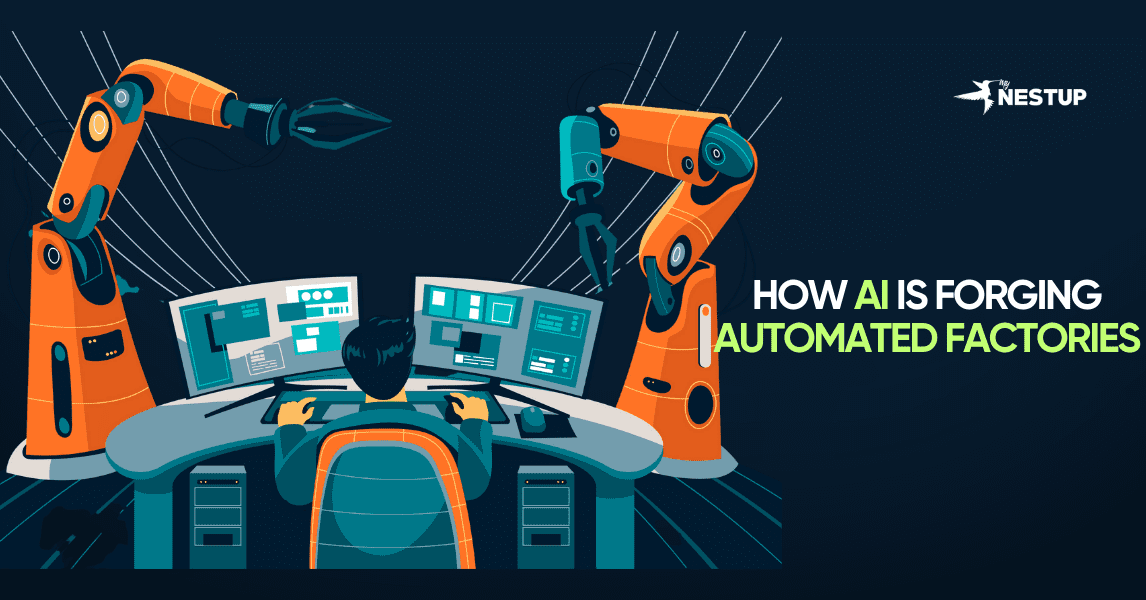
Smart manufacturing is the modern way of transforming production by using digital tools such as AI, IoT, and robotics. These technologies help factories connect, gather data, and understand what is happening in real time. The systems can adjust on their own, making operations faster, smoother, and more flexible than traditional methods. This shift moves factories from simply making products to creating “smart-made” solutions. It also supports better decisions, prevents breakdowns before they happen and automates routine tasks. As a result, companies get higher-quality products that can be customized with ease.
Benefits of Smart Manufacturing:
Smart manufacturing offers several strong advantages over older production methods. Modern tools and platforms help companies streamline their processes and improve how data flows across different areas of the operation. With these digital technologies, manufacturers can cut errors, reduce waste, lower costs, and increase overall equipment performance.
Smart manufacturing also leads to better product quality. IIoT sensors and data analytics allow companies to monitor production in real time and fix issues before they affect the final output. This results in more consistent, reliable products. Another key benefit is flexibility. With robotics and AI, production lines can be adjusted quickly to meet new customer demands, design changes, or shifts in production volume. This makes it easier for companies to stay efficient and competitive.
Key benefits include:
- Higher efficiency and smoother production processes
- Reduced waste and fewer production errors
- Improved equipment performance and lower operating costs
- Better product quality through real-time monitoring
- Early detection of issues before they impact output
- Greater flexibility to react to changing market needs
- Faster adjustments to product design or production volume
Key technologies of smart manufacturing:
The functionality of smart manufacturing relies on the seamless integration of several advanced technologies:
Industrial Internet of Things (IIoT):
The Industrial Internet of Things (IIoT) is a network of machines, tools, and sensors that stay connected and share information through the cloud. These connected devices help factories monitor and maintain their equipment by making it easier for machines to communicate and send useful data. With this setup, manufacturers can view information from many machines at once, automate different tasks, and gain deeper insights into their operations. In modern smart factories, IIoT tools improve machine vision, track inventory, and study data to make mass production more efficient. The IIoT also allows smart devices to exchange diagnostic information instantly, which helps compare system performance in real time and supports better decision-making across the entire production process.
Artificial intelligence (AI):
AI brings major advantages to smart manufacturing, especially through fast and accurate real-time data analysis. As IoT devices and sensors gather information from machines, equipment, and production lines, AI systems can quickly study this data to spot trends and patterns. This helps manufacturers understand how well their operations are running and where improvements are needed. AI tools also help detect unusual behavior or early signs of equipment problems. Machine learning models and neural networks can recognize patterns in the data and make decisions based on them, allowing companies to catch quality issues before they become bigger problems. In addition, using AI as part of a smart maintenance strategy can help manufacturers:
- Use predictive maintenance to prevent breakdowns
- Improve supply chain management
- Detect workplace safety risks
Robotics:
Robotics plays a major role in smart manufacturing, especially through robotic process automation, where robots handle repetitive or risky tasks such as welding, assembly, and moving materials. They can work faster than humans and deliver a much higher level of accuracy, which helps improve product quality and reduce errors. Modern robots are also highly adaptable. They can be programmed for many different jobs, making them useful in environments that need quick changes and flexible production. For example, a Philips factory in the Netherlands uses robots to make its electric razors, and a Fanuc facility in Japan relies on industrial robots to build other industrial robots, requiring only a few supervisors per shift. Most importantly, manufacturers using smart manufacturing methods can connect robotics with IIoT sensors and data analytics. This creates a production setup that responds quickly to changes and supports smoother, more efficient operations.
Cloud and edge computing:
Cloud and edge computing play a major role in how smart manufacturing systems operate today. Cloud computing allows companies to store and manage data remotely, removing the need for heavy on-site hardware and improving visibility across the supply chain. With cloud platforms, manufacturers can use IIoT tools and other advanced technologies to track equipment performance in real time and scale their operations with ease. Edge computing works differently. Instead of sending all data to a distant cloud center, it processes information close to the machines that generate it. This setup makes data analysis much faster, especially when large amounts of equipment data need immediate attention. In smart manufacturing, edge computing supports several important benefits:
- It reduces bandwidth use, lowers latency, and cuts the cost of sending big data over long distances.
- It keeps sensitive information within the company’s own network, improving security and compliance.
- It boosts reliability by keeping essential systems running even if the cloud or main network experiences downtime.
- It improves workflows by analyzing data from many sources to find better ways to operate and help different systems work together.
Blockchain:
Blockchain is a shared digital ledger that helps businesses record transactions, track assets, and strengthen cybersecurity across their networks. In a smart manufacturing execution system, it creates a permanent and tamper-proof record of each stage in the supply chain, from raw materials all the way to the finished product. By tracking the movement of goods through blockchain, manufacturers gain clear visibility into every step, reducing the risk of fraud and increasing accountability.
It can also make supply chains more efficient by automating many verification and tracking tasks. Smart contracts, which automatically execute terms written into their code, can confirm product authenticity, track shipments, and handle payments. This cuts down on manual work, lowers costs, and reduces the chances of human error. Manufacturers can also use blockchain to protect intellectual property by recording ownership details. It can support sustainability efforts as well by tracking the environmental impact of production activities and ensuring greater transparency throughout the process.
Digital Twins:
Digital twins are becoming a key part of modern smart manufacturing. A digital twin is a virtual version of a real machine, product, or system, and it stays connected through sensors that send constant data updates. This connection allows companies to monitor performance in real time and understand how equipment is behaving. With data coming directly from the machines, digital twins can spot unusual patterns, detect early signs of problems, and offer suggestions for improving production. They also allow manufacturers to test ideas and run simulations before making changes to the actual equipment. In addition, digital twins make remote monitoring and maintenance easier, helping teams solve issues quickly and with less downtime.
3D Printing:
3D printing, or additive manufacturing, has become a powerful technology that is reshaping how companies design, test, and produce their products. In smart factories, it is often used to create detailed and complex parts quickly and with high accuracy. Traditional methods like injection molding can struggle with complicated shapes and often require several steps to complete a single part. With 3D printing, manufacturers can create intricate designs in one smooth process, cutting down both production time and overall cost. 3D printing also offers several valuable benefits, such as:
- several valuable benefits, such as:
- Allowing companies to create customized parts using digital design files
- Making it possible to build and test prototypes directly on the shop floor
- Supporting on-demand production, which helps simplify inventory management and reduce waste.
Predictive analytics:
Predictive analytics plays a major role in smart manufacturing by helping companies make sense of the data collected from IIoT devices, production lines, and supply chain systems. By using advanced data analysis methods, it becomes easier to spot inefficiencies, bottlenecks, and potential quality problems before they disrupt operations. One of the biggest advantages of predictive analytics is its ability to improve defect detection. This allows manufacturers to act early, reduce downtime, and avoid unexpected equipment failures. It also helps companies plan maintenance more effectively by identifying the ideal times for repairs, ensuring machines stay in good condition and production runs smoothly.
Conclusion:
Smart manufacturing represents a fundamental shift in how products are made. It moves the factory floor beyond simple automation by integrating powerful digital tools like AI, IIoT, and advanced robotics. This integration allows production systems to not just follow instructions, but to think, predict, and adapt in real time. The key takeaway is that this approach creates manufacturing operations that are highly efficient, incredibly flexible, and virtually error-free. By using predictive analytics and real-time monitoring, companies can eliminate waste, reduce costs, and ensure a higher, more consistent quality of goods, ultimately giving them a decisive edge in a competitive global market.
The core technologies, from Digital Twins that model performance to Edge Computing that processes data instantly, are all working together to create a unified, intelligent ecosystem. This network allows for everything from customized on-demand production using 3D Printing to secured, transparent supply chains powered by Blockchain. The move to smart manufacturing is not just an upgrade; it is the essential blueprint for building resilient, future-ready factories that can quickly meet any market challenge and deliver superior value to the customer.
References:
https://www.sap.com/resources/smart-manufacturing-in-the-cloud
https://www.ibm.com/think/topics/smart-manufacturing
https://www.techtarget.com/iotagenda/definition/smart-manufacturing-SM