What is AI Personalization?
AI personalization is the practice of using artificial intelligence to customize content, recommendations and services for each individual user. AI systems can deliver experiences that feel tailored and relevant. They do this by studying data and observing how people interact with a brand. It ultimately improves customer satisfaction and engagement.
With the rise of newer AI technologies, especially generative AI, marketers can now create highly personalized interactions almost instantly. This shift is driving a new wave of hyper-personalization across multiple channels. This is where a user’s journey feels smooth, consistent and responsive in real time. Since these AI-driven experiences have become more refined, consumers now expect brands to deliver this level of personalization by default.
According to consulting firm McKinsey, most customers now expect personalization. 71% want companies to tailor their content or experiences, and 67% feel annoyed when businesses fail to do so. Their research also shows that personalization is a requirement, it fuels growth. Fast-growing companies earn about 40% more of their revenue from personalized experiences than organizations that lag behind.
Today, AI-driven personalization is being used across nearly every sector to deliver relevant recommendations and context-aware interactions at scale. Whether the end user is an online shopper, a B2B procurement professional or an employee receiving customized internal messages, AI helps shape more meaningful and timely experiences.
Examples
Here are a few examples of how different industries apply AI personalization:
• Ecommerce: AI analyzes browsing patterns and past purchases to recommend products that match a shopper’s tastes or needs. It can also craft tailored emails and marketing messages to support more targeted campaigns.
• Entertainment: Streaming platforms rely on AI to suggest movies, shows, or playlists based on what a viewer has previously enjoyed. This helps in creating a more engaging and curated content experience.
• Training and education: Adaptive learning tools use AI to adjust lessons and feedback to each learner’s pace and progress. Whether in a classroom or a workplace training program.
• Finance: AI systems can provide personalized investment tips or financial guidance by taking into account a user’s behavior, and the wider market environment.
• Marketing: From targeted ads to individualized email campaigns, AI helps marketers deliver messages that resonate with specific audience segments at the right moment.
AI personalization applications
AI-driven personalization boosts engagement by tailoring recommendations and content to each person’s unique interests, behaviors and needs. Some of the most common applications include:
- Personalized product recommendations
AI reviews signals such as browsing habits, past purchases, online activity and stated preferences to suggest items that match a user’s taste. This approach is widely used across ecommerce and streaming platforms. It is helping businesses surface the most relevant products or content. As AI gathers more data throughout the customer journey its recommendations become increasingly accurate.
- AI-powered chatbots
Smart chatbots and virtual assistants use natural language understanding to interpret questions and deliver personalized replies. They can recommend products and resolve issues. They guide users through various tasks. Since they are available around the clock, these bots also collect valuable data on customer behavior. This helps companies improve both service and efficiency.
- Intelligent content
AI makes it possible to tailor content (emails, articles, videos, product descriptions, SMS messages) to individual users. By matching content to a person’s interests and past interactions, brands can deliver more engaging experiences while reducing the time spent creating one-size-fits-all assets.
- Ad targeting
In advertising, AI analyzes user data to determine which ads are most likely to resonate with each person. This increases campaign efficiency by reducing wasted impressions. It ensures that users see messages aligned with their interests or needs.
- Dynamic pricing
Dynamic pricing uses AI to adjust prices in real time based on demand and competitor activity. Also based on customer behavior and market conditions. It is now applied across industries to optimize revenue and offer more competitive pricing during slower periods.
- Predictive personalization
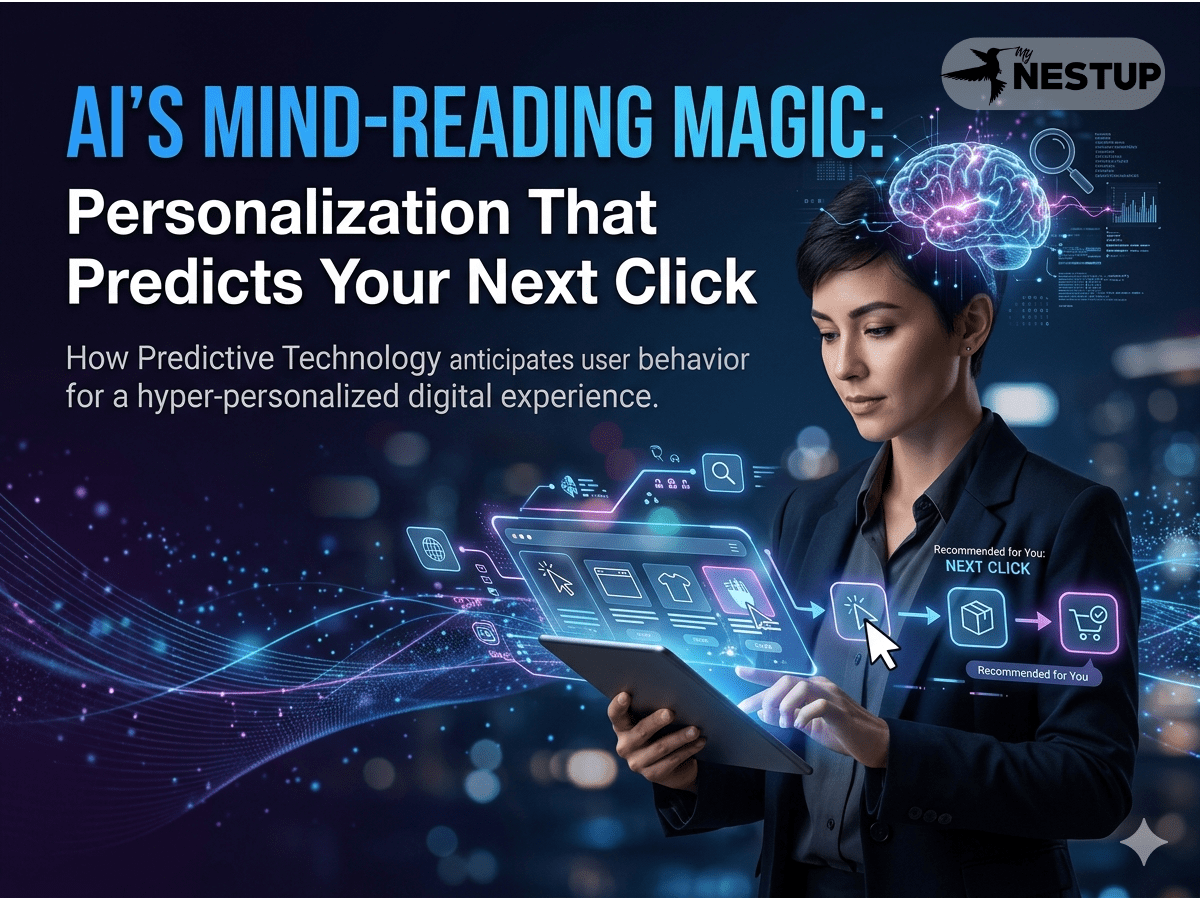
Predictive personalization anticipates what a user might want next by analyzing historical behavior. This allows brands to proactively recommend products, content or services. For example, Starbucks uses machine learning to suggest drinks on its app based on past orders, time of day and even local weather, while also using these insights to improve inventory decisions.
Benefits of AI personalization
AI-powered personalization allows brands to connect with customers at every stage of their journey. From the moment they start browsing to the follow-up messages they receive after a purchase. These personalized experiences can have a major impact on business performance when implemented well.
Some of the key advantages of using AI for personalization include:
- More dynamic customer experiences
Personalized interactions help create stronger customer relationships. By delivering the right message or content at the right moment, brands can boost satisfaction and earn long-term loyalty.
- Greater engagement
When users see information that aligns with their interests or needs, they are more inclined to stay engaged. They explore more content and spend more time with the brand.
- Higher conversion rates
AI-driven suggestions that match a user’s preferences make purchasing decisions easier. This relevance often translates into more sales and stronger conversion rates.
- Lower costs
Automation lets organizations scale their marketing, product recommendations and customer support without needing equally large teams. Some studies suggest that personalization efforts can cut customer acquisition costs by up to 50%.
- A competitive edge
Brands that deliver highly customized experiences often stand out from the competition. For some companies, such as subscription services offering curated products, AI-backed personalization is central to their entire business model.
- Better decisions through data
AI personalization gives organizations detailed insights into how users behave and what they value. This helps teams make smarter, faster decisions and identify their most valuable customers. It results in allowing them to refine strategies and adapt quickly.
Challenges in AI personalization
The demand for personalization continues to grow. Many companies are doubling down even in uncertain economic conditions. Around 69% of organizations are increasing their investment in this area. Still, several obstacles can prevent businesses from getting the full value out of AI-driven personalization.
- Data Collection and Integration
Marketers know that good customer segmentation is essential. Companies with clear segmentation strategies are far more likely to understand their audience and anticipate customer needs. The challenge is agreeing on how to segment. Markets can be divided by demographics, location, behaviors, motivations, values or a mix of all of these. Poor data quality and siloed information make consistent segmentation much harder.
- Privacy and Consent Management
While regulations like GDPR aim to protect users, trust remains low. Only about half of consumers believe companies will handle their personal information responsibly. Nearly half of them experienced a data breach in the last year. This gap between corporate enthusiasm for AI and customer trust is significant.
- Model Training and Optimization
AI personalization must walk a careful line. It must be helpful without becoming intrusive. Choosing the right algorithms and monitoring them is essential to prevent missteps that could damage customer trust. Even if the system is technically “correct,” it feels invasive. Businesses need to consider not just what data they can use, but what customers reasonably expect them to use. Relying on customer-shared (zero-party) data and regularly refining models based on feedback can keep personalization appropriate and respectful.
- Costs and Resources for Implementation
Gartner reports that the biggest hurdle marketers face in digital execution is figuring out how to unify and activate customer data. Misalignment between internal teams often leads to fragmented campaigns and inconsistent messaging. Rolling out a cohesive AI-driven customer journey strategy can also be expensive, especially for smaller organizations. To ensure strong returns, companies must be aligned from the start. Beginning with a shared understanding of their audience segments and the outcomes they want to achieve.
AI-driven personalization allows companies to create real-time experiences that feel uniquely tailored to each customer. By tapping into advanced analytics, machine learning and other AI capabilities, brands can deliver customized recommendations and content. This creates a boost engagement, satisfaction and long-term loyalty. As these technologies continue to advance, organizations that embrace AI-powered personalization will be better equipped to meet rising customer expectations and maintain a competitive edge over time.
References