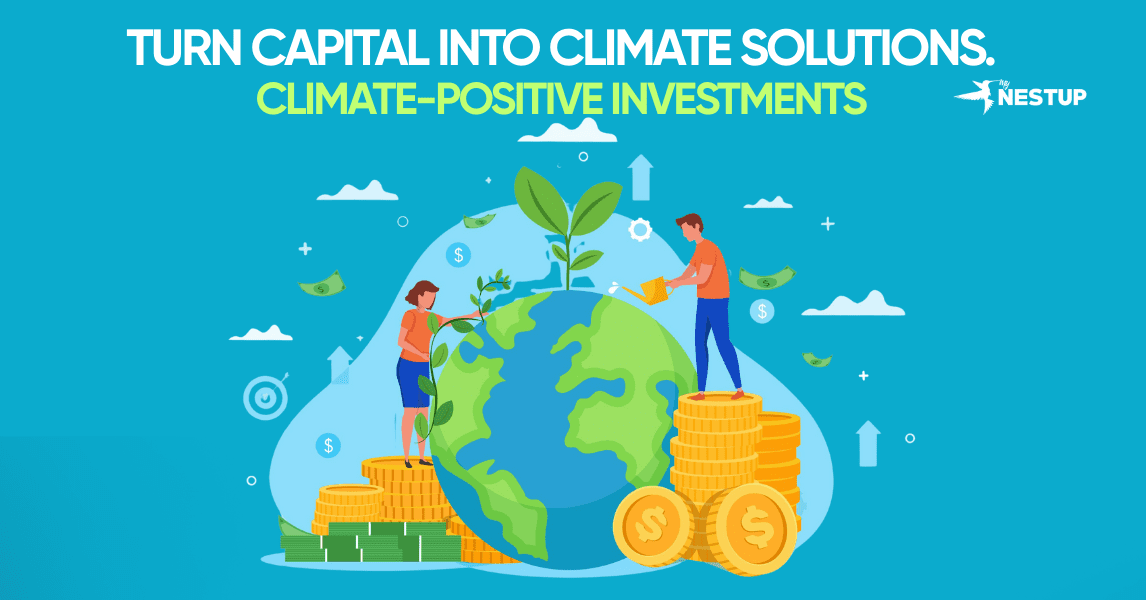
Green Financing
Green financing refers to loans or investments that back environmentally friendly actions. Whether that is buying eco-conscious products, improving energy efficiency or developing sustainable infrastructure.
Since adopting greener habits or upgrading a business to be more sustainable can be costly. A lot of green finance options come with incentives. These can help offset the expense of things like switching to an electric vehicle or making your home more energy-efficient. It helps in making the transition easier for both individuals and companies
Today, green finance has moved firmly into the mainstream. As the risks linked to harmful products and practices continue to grow, choosing sustainable options is becoming the smart approach for buyers and investors.
Banks are playing a major role in this shift. They are offering more green financing to support projects such as solar and wind energy. They are investing in businesses looking to reduce their environmental impact. In doing so, banks help ensure that people and organizations can access the funding they need to take meaningful, eco-friendly action.
Types of Green Financing
Now that we have covered what green finance is, let us look at the main ways it appears in practice:
- Green Mortgages: These mortgages offer better rates or terms to people buying homes with strong sustainability ratings, or to buyers who commit to making energy-efficient upgrades.
- Green Loans: These loans are specifically designed to fund eco-friendly projects. Like installing solar panels, buying an electric vehicle, improving energy efficiency or other initiatives that reduce environmental impact.
- Green Credit Cards: Some credit cards are built around sustainability. For example, certain cards plant a tree with every purchase or allow users to channel their spending toward environmental projects. This helps them make an everyday positive impact.
- Green Banks: Green banks function much like regular banks, but they use public funds to encourage private investment in renewable energy and other green projects. In the U.S., the number of green banks grew from just one to 20 between 2011 and 2020. Putting around $7 billion into clean-energy advancement.
- Green Bonds: Green bonds make up a large share of green financing. The money raised from these bonds goes directly into environmentally focused projects. Such as renewable power, sustainable transport, conservation efforts and other climate-friendly developments.
Benefits of Green Finance
- Promotes Cleaner Technologies and Sustainable Infrastructure
In many developing countries, governments are investing in infrastructure that supports better long-term resource management and boosts national competitiveness. These projects also help attract private investment into local green markets. They encourage wider adoption of clean technologies.
- Creates a Competitive Edge
As climate pressures and environmental regulations grow stricter, shifting toward low-carbon development is becoming less of a choice and more of a necessity. By embracing green finance early, businesses and countries can position themselves ahead of the curve. They gain an advantage when these rules tighten.
- Strengthens Business Value
Companies can increase the appeal and value of their portfolios by engaging their commitment to green financing. This gives them a sustainability edge. It helps attract customers and investors who prioritize environmentally responsible businesses.
- Improves Economic Outlook
Governments that support green finance help safeguard their economies from future resource shortages. By nurturing domestic renewable-energy markets and tapping into new, job-rich industries, they lay the groundwork for long-term economic resilience and growth.
Climate Investing
Climate investing involves directing funds toward businesses, projects or funds that tackle climate change, promote a low-carbon economy and strengthen resilience, all while aiming for financial returns. It focuses on solutions such as renewable energy, energy-efficient technologies, sustainable infrastructure and climate-smart agriculture. By supporting companies aligned with initiatives like the Paris Agreement, climate investing helps reduce environmental risks. It helps seize opportunities in the transition to a greener economy.
ESG Investments
ESG investments focus on companies that meet certain Environmental, Social and Governance standards. Investors use these criteria to select companies that operate responsibly in these three key areas:
• Environmental (E): How a company manages its impact on the environment.
• Social (S): How it treats employees, communities and society at large.
• Governance (G): How the company is managed and how decisions are made responsibly.
In Europe, climate investments go beyond ESG. It is done by applying stricter rules to ensure that the companies chosen have a tangible, positive impact on society and the planet. Sustainable investments target explicit objectives, both environmental and social.
Key Areas of Climate Investing
• Renewable Energy: Investing in clean energy sources such as solar, wind, hydro and geothermal power.
• Energy Efficiency: Funding technologies and upgrades that lower energy use in buildings, transportation and industry.
• Sustainable Infrastructure: Supporting low-carbon transport systems, waste management and water infrastructure.
• Climate-Smart Agriculture: Investing in food production methods that reduce carbon emissions and environmental impact.
• Carbon Capture & Storage: Developing technologies to capture and store CO₂ emissions from industry and energy production.
• Adaptation & Resilience: Financing projects that help communities and businesses withstand climate-related challenges, particularly in vulnerable regions.