What is Remote work?
Remote work is a flexible employment arrangement that permits employees to perform their job responsibilities from a location outside of the traditional, centralized office environment, most commonly from a home office. This arrangement is fundamentally dependent on digital technology, utilizing tools like video conferencing software, cloud platforms, and instant messaging to maintain smooth communication, collaboration and access to necessary resources. While the concept predates recent events, it gained massive traction globally, leading to various models such as fully remote and hybrid work. For employees, remote work offers significant benefits, including the elimination of the daily commute, increased scheduling flexibility, and a better work-life balance, often leading to increased reported productivity. For employers, it opens up access to a wider global talent pool and reduces operational overhead like real estate costs. It also presents challenges, such as the potential for social isolation, difficulty in maintaining a clear work-life boundary, and the need for new strategies to sustain company culture and effective virtual leadership.
Demand for Remote and Hybrid work:
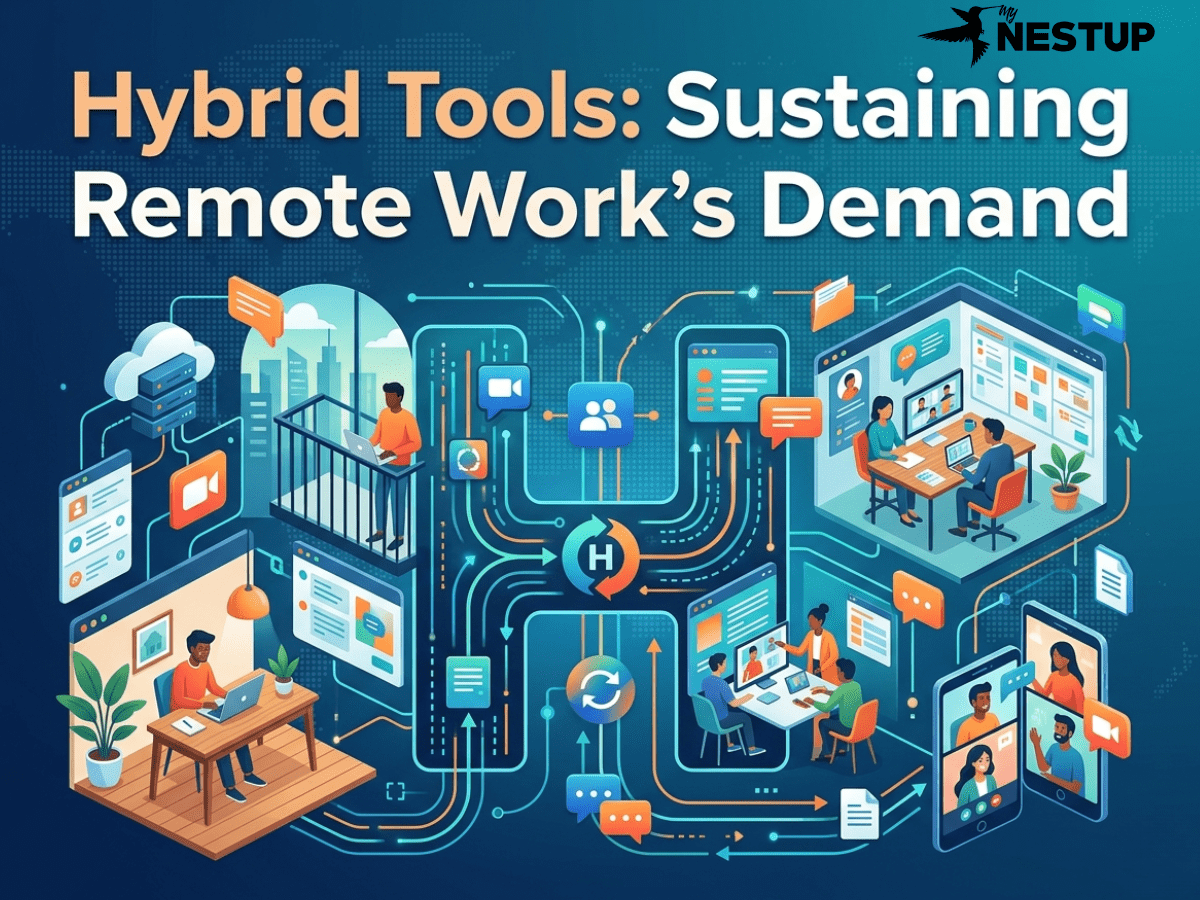
The demand for remote and hybrid work tools remains strong; the shift to remote and hybrid work is now permanent. Workers strongly prefer the flexibility these models offer. As a result, the need for tools that support distributed teams remains high. Businesses are also embracing this change. They see it as a way to maintain employee productivity. Plus, it helps them reduce operating expenses. This demand is creating a massive market for specific solutions. For example, video conferencing tools have become crucial for daily interaction. Project management software helps teams track shared goals without being in the same room. Cybersecurity tools are seeing increased focus. Companies must ensure that sensitive data remains protected when accessed from home networks and various personal devices. This comprehensive approach to technology is what defines the successful modern workplace.
Job Boards and Freelance Marketplaces:
These online services are essential for linking remote professionals with companies and clients needing specific skills. They serve as central hubs, eliminating geographical boundaries for hiring and working.
- Upwork: This is a vast, worldwide marketplace for getting work done. It connects businesses with independent talent across hundreds of fields. You can find freelancers here for almost anything, from coding new software and designing logos to virtual administration and project support.
- Fiverr: This platform is known for project-based digital services, or “gigs.” It’s a quick place to find help with things like creative writing, data entry, or getting a graphic design task completed quickly and efficiently.
- FlexJobs: This job board focuses entirely on quality control. They thoroughly check and confirm all remote job postings across dozens of categories, ensuring job seekers only find legitimate and verified work-from-home opportunities.
- We Work Remotely: A prominent, specialized board that exclusively lists remote-only positions. It’s a key resource for remote job seekers in popular sectors like technology, digital marketing, and customer service.
- Toptal: An elite network that provides businesses access to a select pool of top-tier freelance experts. It focuses on connecting companies with professionals in specialized, high-value fields such as advanced software engineering, finance consulting, and product design.
- LinkedIn: Primarily a massive professional networking site, but it also has powerful job search tools. You can easily apply specific remote work filters to find open positions and leverage your professional connections for referrals.
HR and Project Tools:
These platforms are designed to help companies effectively oversee and support their staff, regardless of location. They cover everything from hiring and paying employees to ensuring everyone stays on track with their work.
- Remote: This is a comprehensive solution for hiring staff internationally. It offers Employer of Record (EOR) services, which means it handles local compliance, contracts, benefits, and payroll in over 180 countries. It makes global team expansion straightforward.
- Google Workspace (formerly G Suite): This suite provides the core software necessary for daily remote business operations. It includes essential collaboration apps like Gmail for email, Docs for shared writing, Meet for video calls, and Drive for cloud file storage.
- Microsoft Azure/365: A powerful system offering both cloud infrastructure and key productivity applications. It features Microsoft Teams for instant communication and video meetings, alongside the familiar Office suite (Word, Excel, etc.), making it vital for collaboration and IT management in a hybrid environment.
- Project Management Tools (e.g., Asana, Trello, Jira, Monday.com): These systems are indispensable for keeping distributed teams organized. They are used to assign tasks, set deadlines, track the status of projects, and maintain transparent communication so everyone understands the current priorities and progress, even without being in the same office.;
Why Hybrid Work is Here to Stay:
The strong preference among employees who worked remotely during the pandemic is now for a hybrid setup, blending office time with working from home. This flexibility is highly valued by staff. Companies also see significant advantages in this model. Businesses often report that their staff are happier and exhibit better overall well-being. Companies can hire the best talent from anywhere, which greatly expands their hiring options. This shift also presents opportunities for businesses to save money on large, expensive office spaces. Research supports this trend, indicating that giving employees control over their work location and schedule can lead to an increase in effectiveness, ultimately resulting in a higher number of top-performing employees.
Essential Technology for Hybrid Success:
To keep a blended office and remote team productive and connected, businesses rely on several crucial categories of technology solutions.
1. Communication & Collaboration Platforms:
These tools act as the main digital office, centralizing all employee interaction and information exchange.
- Slack: This widely used platform focuses on real-time chat and organized conversations through channels. It is highly valued for its ability to integrate smoothly with many other business applications.
- Microsoft Teams: A staple in many workplaces, this tool combines instant messaging, video meetings, and secure file storage. It provides a single environment for daily team activities.
- Zoom: The leading solution for video conferencing, webinars, and online meetings. It has also begun adding features to help manage the physical office space, like scheduling meeting rooms.
- Google Workspace: A complete collection of cloud-based applications that are fundamental for working together, including email, document creation, and video communication.
2. Project & Workflow Management:
These platforms ensure that tasks are clear, progress is tracked, and teams remain synchronized no matter where individuals are located.
- Asana: An effective tool designed for organizing projects, clearly assigning tasks, and setting and tracking deadlines for complex workflows.
- Notion: An extremely flexible all-in-one digital workspace. It is used for handling project management, detailed note-taking, and building internal company knowledge bases.
- Trello: A highly visual project management tool. It uses easy-to-understand boards and cards to help teams organize and move tasks through different stages of a project.
3. File Sharing & Storage:
Cloud storage is mandatory in a hybrid environment to guarantee that every employee can access and share necessary documents instantly from any location.
- Dropbox: A trusted platform for file storage and sharing. It provides a full ecosystem that allows teams to collaborate on files and work together in real-time.
- Google Drive: Integrated with Google Workspace, this offers secure, cloud-based storage and robust sharing capabilities for all file types.
4. Workplace Management Tools:
This specialized software helps companies manage and optimize their physical office footprint within a hybrid model.
- Kisi: Provides solutions for access control, manages desk booking, and offers valuable analytics on how the office space is being utilized.
- Envoy: Offers systems for booking desks and meeting rooms, managing visitors coming into the office, and coordinating longer-term seating arrangements for returning staff.
Conclusion:
The sustained demand for remote and hybrid work is not a temporary trend but a permanent transformation, firmly establishing flexibility as a core expectation for modern employees. This shift has created an indispensable market for robust digital platforms that serve as the backbone of distributed teams, covering everything from global hiring and payroll (like Remote) to daily real-time communication (Slack, Teams, Zoom) and structured project execution (Asana, Notion). As businesses recognize the significant advantages, they continue to invest in this ecosystem, using job boards, specialized HR tools, and workplace management software to fully optimize the blended office model. The successful modern workplace is defined by its strategic integration of this essential technology, ensuring connectivity, security, and productivity thrive regardless of where the work is being performed.