


As the world heads toward an estimated 10 billion people by 2050, farming is under increasing pressure to grow more food and boost harvests. To keep up with demand and avoid future shortages, there are two main paths: either clear more land for big farming operations, or focus on smarter, modern methods that use technology to get more out of the farmland we already have.
AI in Agriculture
For farmers, AI opens up a wealth of information that can guide smarter decisions about crops and help protect the land they cultivate. Even with the best care, unpredictable weather can have a huge impact on crop health, yield quality and ultimately, farmers’ earnings.
Predictive tools powered by AI can forecast weather conditions for specific periods, like planting season, allowing farmers to sow crops under the most favorable conditions. These forecasts also help manage risk. Knowing about an upcoming storm, for instance, gives growers time to take measures to protect their crops, potentially saving an entire harvest rather than just a few rows. This is the value of predictive performance analytics. By analyzing decades of historical data, AI can anticipate risks and predict likely outcomes.
But these tools are not just about weather. They can also flag potential pest or disease threat and estimate crop growth and yield. Farmers gain real-time insights into disease outbreaks or pest activity, allowing them to target interventions more precisely. This helps improves crop management. Also helps reduces chemical use and promotes more sustainable farming practices.
Precision Farming
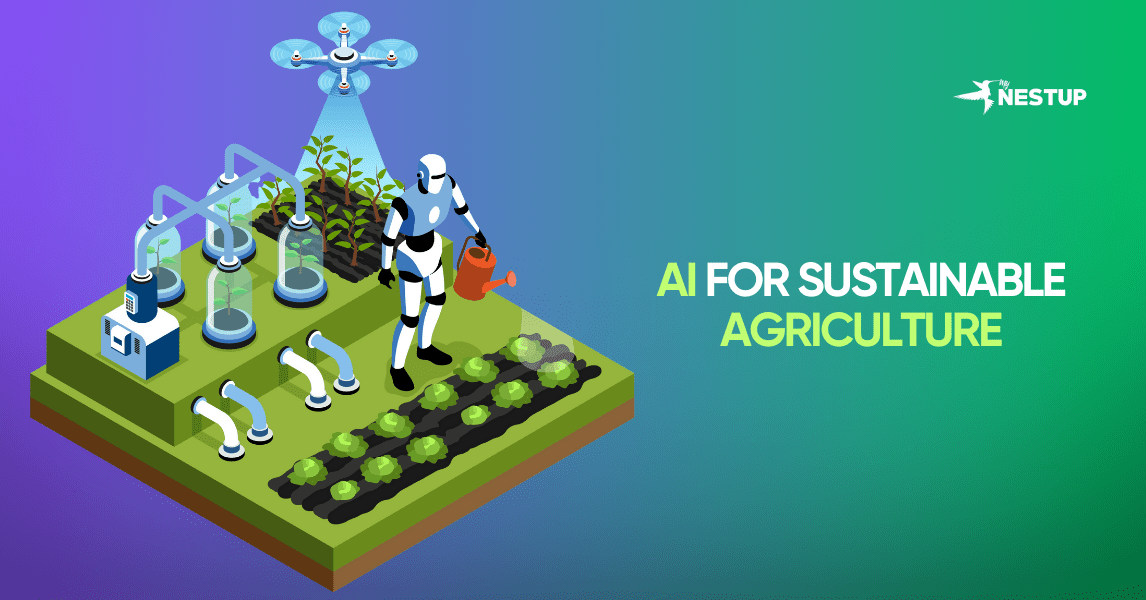
Precision agriculture is a modern farming approach that uses technology to closely monitor and manage variations within fields. By leveraging tools like GPS, sensors, drones, satellite imagery and data analytics, farmers can optimize inputs. Resources such as water, fertilizers, and pesticides are used efficiently and only where they are needed.
This approach allows farmers to track crops and soil in real time, identifying issues like nutrient deficiencies or water stress early. With this information, they can tailor their practices to the specific needs of each part of the field. Applying precise amounts of water, fertilizer or crop protection products exactly when and where they are required. The result is productive, cost-effective and environmentally friendly farming. By reducing waste and using resources like water and fertilizers more efficiently, precision agriculture minimizes the negative impacts of conventional farming while maximizing yields. In short, it helps farmers grow more with less, making it an increasingly popular approach for sustainable, modern agriculture.
Benefits of AI in Agriculture
- Automated and High-Precision Monitoring: AI-powered drones and sensor networks are enhancing how farms monitor crops and livestock. These technologies collect real-time data on plant and animal health, pest activity, soil and pasture quality and more. Even down to individual plants or animals. Machine learning models can detect early signs of stress or disease, allowing farmers to respond proactively and minimize damage to yields before problems escalate.
- Predictive Analytics: AI-driven predictive models help farmers plan for variables like extreme weather, market shifts and pest outbreaks. By analyzing years of historical data, these tools provide actionable insights that allow farmers to forecast yields. They also help manage irrigation and optimize planting schedules with greater accuracy.
- Livestock Health and Welfare: Wearable sensors powered by AI are giving livestock producers a detailed, real-time view of each animal’s health. Tracking metrics such as temperature, movement, feeding behavior and reproductive status allows farmers to spot early signs of illness. This enables timely intervention, improving animal welfare while reducing costly health issues.
- Demand Forecasting and Supply Chain Efficiency: Along with changing life on the farm AI is also changing the broader supply chain. Algorithms that analyze logistics and consumer trends help producers and retailers optimize inventory. They help reduce food waste and ensure products reach consumers efficiently.
Challenges
Challenges of AI in Agriculture
While AI holds enormous potential for transforming agriculture, its adoption comes with several challenges:
- High Initial Investment: Implementing AI tools often requires upfront spending on sensors, hardware, or specialized software. This can make it difficult for small and medium-sized farms to adopt these technologies.
- Potential Job Displacement: Automation powered by AI can reduce the need for manual labor, raising concerns about job losses in rural communities. There is also a growing need to train workers to manage and integrate these technologies effectively.
- Data Privacy and Ownership: AI relies on large datasets to generate insights. However, questions about who owns this data, how it is stored and whether farmers retain control over its use remain a major concern.
- Connectivity Barriers: Many AI applications require stable internet access, which can be limited or unreliable in rural areas. Without consistent connectivity, real-time AI solutions are difficult to implement.
- Technical Complexity and Skills Gap: For farmers unfamiliar with advanced digital platforms, adopting AI can feel overwhelming. Providers need to ensure solutions are user-friendly and supported with proper training and guidance.
- Limited Localized Solutions: AI models are effective when trained on local data. Generic solutions may not account for local soil conditions, climate or farming practices. This can limit their usefulness for specific regions.
References:
https://intellias.com/artificial-intelligence-in-agriculture