What is a Digital Twin
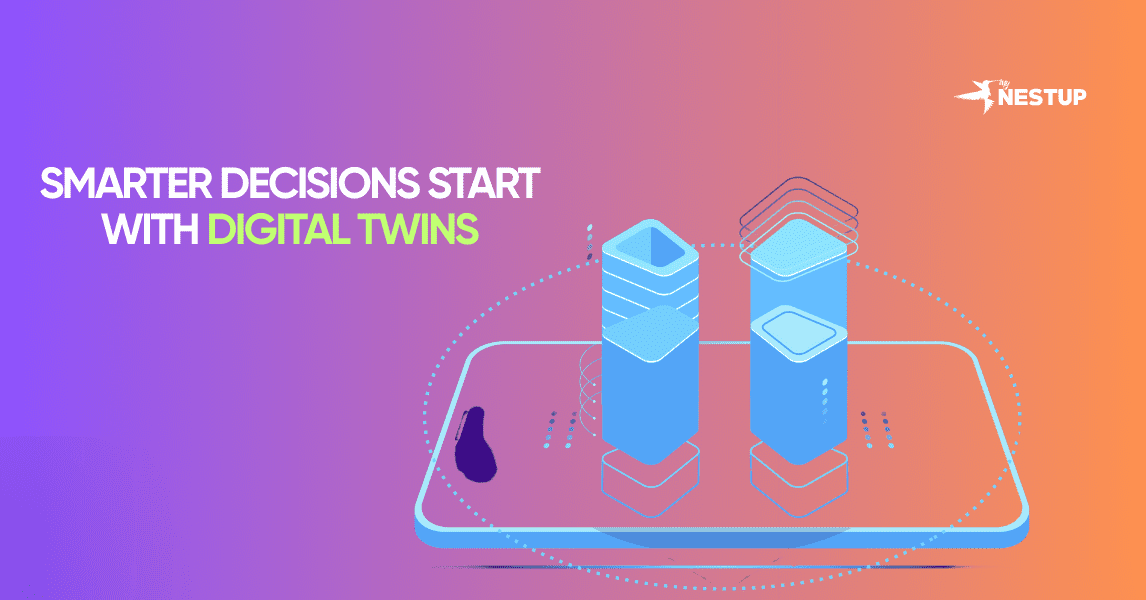
A digital twin is basically a virtual version of a real object or system (a machine, a building or even an entire production line). It pulls in real-time data from the physical thing it represents, so the digital model behaves almost exactly the way the real one does.
What makes digital twins so powerful is that they let you keep an eye on something throughout its entire life: from the early design stage all the way to everyday use and eventual retirement. They can even factor in outside conditions or processes that influence how an asset performs.
One of the key features is the two-way flow of data. The physical object constantly updates the digital model. Insights from the digital twin can be fed back to improve how the real object operates. When companies link several digital twins together, they can simulate and understand much larger, more complex systems. This is a huge advantage for digital transformation and Industry 4.0 efforts.
By showing how something works right now and predicting how it might act in the future, digital twins help organizations boost efficiency and make smarter decisions. They are widely used for things like optimizing processes, preventing equipment failures before they happen, improving supply chains and designing better products.
Digital twins can be created for almost anything you can think of including buildings, bridges, cars, airplanes, historical objects and even the entire planet. They are also used to model complicated systems like city traffic, weather patterns, factory workflows or even medical treatment plans.
And in more experimental areas, digital twins can go a step further. They can be built to represent real or entirely fictional people, complete with a simulated voice, appearance and personality traits.
Key Components
- A physical asset that an enterprise aims to monitor, analyze or simulate in a virtual environment
- A virtual model that acts as a digital representation of the real-world object or system
- Data sources such as sensors or Internet of Things (IoT) devices that continuously record relevant metrics like temperature, pressure or motion
- A data pipeline that transmits sensor data to the virtual model, keeping it synchronized with its associated physical asset in real time
- A feedback loop that sends insights or control signals from the digital twin back to the physical asset to optimize performance, efficiency and decision-making
- An analytics engine often powered by machine learning or artificial intelligence. That can detect data patterns, simulate future scenarios, perform predictive analysis and assist with asset tracking
- Visualization interfaces and dashboards that enable teams to interact with a 2D or 3D representation of assets or systems
How Does Digital Twin Work?
A digital twin basically mirrors a real-world object or system so you can monitor it, test ideas, and predict issues before they happen. The process usually follows a few simple steps:
- Data collection
First, the real object is fitted with sensors that track things like performance and environment. In IoT, many devices already come with built-in sensors that send data automatically. In IT setups, teams use virtualization to create digital versions of software or machines and collect data through software agents. - Virtual modeling
Next, all that data is used to build a digital replica. This model includes the key characteristics and behaviors of the real object so it reacts realistically. For example, a digital twin of an aircraft turbine mimics wear and tear along with factors in airflow, engine components and how everything interacts during flight. - Live data integration
The digital and physical versions stay connected through continuous, real-time data exchange. This helps organizations spot problems early, improve performance and even plan maintenance before something breaks. Automating this data flow also saves time for more strategic work. - Simulation and better decision-making
Teams can then run virtual tests without risking time or money. In manufacturing, they might test a new assembly setup or try different packaging options to see what holds up best. These simulations help improve efficiency and boost product quality.
Types of Digital Twins
There are several types of digital twins but the following four types are the main ones
Component twins: sometimes called part twins, focus on individual mechanical pieces like motors, switches, or valves. They help track how these components perform in real time and over longer periods.
Asset twins: or product twins, take things a step further. These are digital versions of physical assets such as buildings, vehicles or even entire city blocks. They pull in real-time data about performance and environmental conditions.
System twins: also known as unit twins, look at complete systems or processes. The goal here is to understand how everything works together so you can spot issues, improve performance and optimize the overall setup.
Process twins: create a virtual model of business workflows and customer journeys. They make it easier to see where things can be improved, helping organizations fine-tune operations and enhance the experience.
Benefits
Digital twins come with a wide range of advantages. Their benefits often grow right along with their uses. Some of the most common perks include:
• Cutting costs and speeding up time to market. Since products and systems can be designed and tested in a virtual space first companies can avoid expensive mistakes. They can move faster when it is time for real-world production or rollout.
• Boosting operational and engineering efficiency. With constantly updated data, teams can model entire systems. They can try out changes in realistic simulations and then confidently apply improvements in the real world.
• Making maintenance quicker and smarter. Whether it is a building, a vehicle, or something as complex as a jet engine, digital twins help monitor performance around the clock. They can help in catching issues early so they can be fixed before they turn into bigger problems.
• Enhancing the customer experience. By mapping out a shopper’s journey digitally, businesses can identify opportunities to personalize and improve the overall experience.
References:
https://www.techtarget.com/searcherp/definition/digital-twin