


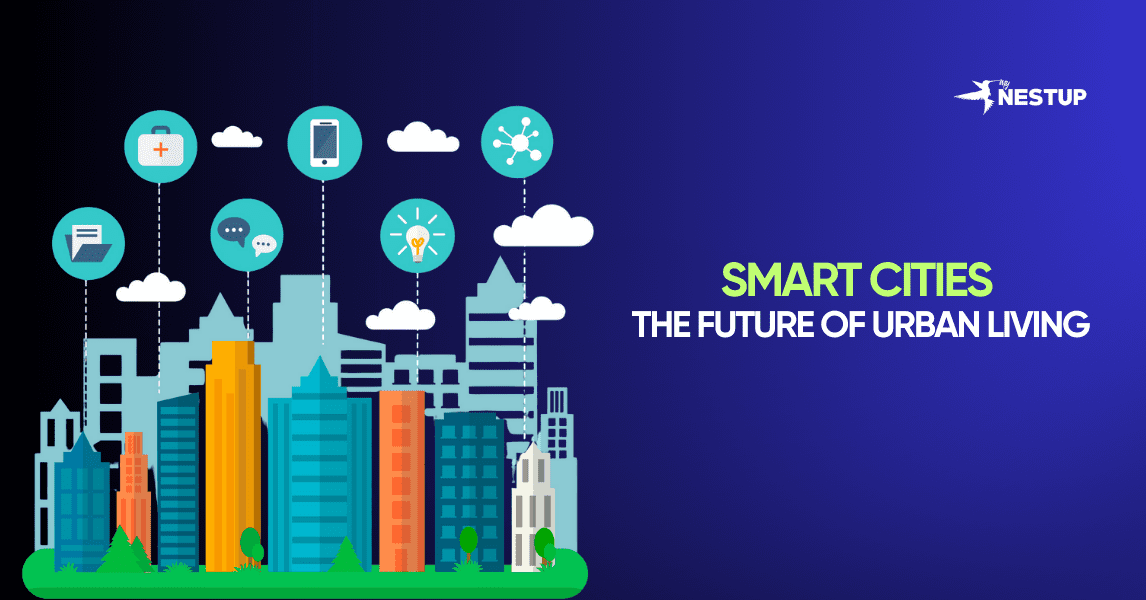

What Are Smart Cities?
A smart city is essentially a city that uses information and communication technologies to run more efficiently, keep citizens informed, and improve the quality of public services and everyday life. Although definitions can vary, the main goal of a smart city is to use technology and data to smooth out city operations, support economic growth and make life better for the people who live there. What truly defines a smart city isn’t the amount of technology it uses, but how effectively that technology solves real problems.
According to the U.S. Department of Transportation, most smart city projects are built on three key pillars:
1. Data collection through networks of sensors and input from citizens.
2. Connectivity that links all this data to government systems.
3. Open data, which ensures that information and improvements are shared transparently with the public.
A smart city can only succeed when the government, private sector and citizens work closely together. This is important, because most of the technology and infrastructure needed to build a data-driven city actually comes from outside the government. For instance, a single surveillance system on a busy street might involve sensors from one company, cameras from another and servers from a third. Yet all that information eventually flows back to a government agency that uses it to make decisions.
On top of that, cities often bring in independent contractors to interpret the data. Their analysis might highlight issues that need fixing. This could lead to hiring an app development team to create digital tools or solutions. If that solution requires ongoing updates or management, the private company becomes a long-term part of the city environment. The success of a smart city is not about completing one project, it is about building strong, lasting partnerships among all the people and organizations involved.
Smart Cities Technology
Information and Communication Technology (ICT)
Information and communication technology covers a wide range of data-driven tools and systems. According to the U.S. Department of Commerce’s National Institute of Standards and Technology, ICT includes everything involved in capturing, storing, retrieving, processing, displaying, organizing, managing, securing and even sharing data. In other words, any technology that helps create or move information falls under ICT.
Internet of Things (IoT)
The Internet of Things refers to everyday physical objects (appliances, vehicles, sensors, and wearables) that are embedded with software and connectivity so they can collect and share data. These “smart” devices can be as simple as a thermostat in a home or as advanced as sensors built into transportation systems. Reliable Wi-Fi or other forms of wireless connectivity keep these devices linked, making them a key foundation for smart city services.
Automation
Automation uses technology to carry out tasks with minimal human involvement. In smart cities, automation makes it possible for systems to respond instantly to real-time data collected through IoT devices. For example, sensor-based streetlights can turn on or off depending on surrounding light or motion, cutting down on energy waste and supporting sustainable city operations.
Artificial Intelligence (AI)
Artificial intelligence combines advanced computing and large data sets to solve problems and make decisions. Smart cities use AI and machine-learning systems to manage infrastructure more efficiently. For instance, AI can optimize waste collection routes to cut fuel use, or help law enforcement analyze camera feeds and sensor data to spot potential crime.
Smart Transportation
Smart transportation plays a major role in smart city planning. Technologies like IoT sensors, AI and other tools provide real-time data on traffic flow and vehicle conditions. This information helps cities reduce traffic jams and lower carbon emissions.
Smart transportation systems can:
• Predict when city vehicles might break down and schedule repairs in advance
• Power smart parking tools that show drivers where spaces are available
• Adjust traffic light timing using real-time data
• Support electric and autonomous vehicles
Smart Energy
Smart energy uses connected devices and advanced analytics to help energy providers run smarter, reliable electricity grids. Sensors and software can track energy usage and help prevent outages before they happen. Smart energy also makes it easier to integrate renewable sources like solar and wind and supports energy-efficient technologies. These reduce overall carbon emissions. These tools can even help minimize waste in oil and gas operations by optimizing energy use and lowering CO₂ output.
Smart Infrastructure
Smart infrastructure brings together smart energy and smart utility management. It also covers the maintenance of physical structures that support daily city life. Sensors and connected devices help city officials spot early warning signs of problems, allowing repairs to be made before issues grow more serious. By improving how infrastructure is monitored and maintained, smart cities can strengthen public safety and enhance everyday life for residents.
Features of Smart Cities
The integration of automation, machine learning (ML) and the Internet of Things (IoT) is enabling cities to adopt a range of smart solutions aimed at improving services and overall quality of life.
- Smart Mobility and Transportation
Smart transportation systems use connected sensors and real-time data to optimize how people and vehicles move through a city. Key features include:
• Smart parking systems that guide drivers to available spaces and support smooth digital payments.
• Smart traffic management, which monitors traffic flow and adjusts traffic light timings to reduce congestion.
• Ride-sharing coordination, where smart city platforms help balance demand and supply.
• Predictive vehicle maintenance, allowing city officials to detect which public vehicles may need repairs before a breakdown occurs.
- Smart Energy & Environmental Efficiency
Smart cities rely on technologies that support more efficient and sustainable energy use.
• Smart streetlights that dim when roads are empty to save energy.
• Smart grids, enhanced by AI, that improve energy distribution, forecasting and outage prevention.
• Renewable energy integration, supported by advanced analytics.
• Environmental monitoring systems that track air quality and pollution levels.
- Smart Waste Management
IoT-enabled waste systems are central to cleaner and more sustainable cities. Examples include:
• Smart bins that monitor fill levels and send alerts when ready for collection.
• Optimized waste collection routes that reduce fuel use and emissions.
• Connected fleet management systems for improved sanitation services.
- Public Safety and Disaster Management
Smart city infrastructure also strengthens safety and emergency response.
• Predictive crime monitoring through sensors and analytics in high-risk areas.
• Early warning systems for natural disasters such as floods, hurricanes, landslides and droughts.
• Real-time alerts sent to citizens and emergency responders.
- Smart Buildings and Infrastructure Monitoring
Connected buildings and critical infrastructure systems enhance durability and safety.
• Real-time space utilization in offices and public buildings.
• Structural health monitoring to detect damage or required maintenance.
• Sensors detecting issues such as water leaks or potholes.
• Citizen-driven reporting systems that allow residents to notify authorities of local issues.
- Smart Utilities (Water, Gas, Electricity)
Utilities can be monitored and optimized through:
• IoT-enabled water systems that detect leaks and improve distribution.
• Sensor-based monitoring of pipelines and public facilities.
• Data-driven maintenance planning to prevent major failures.
- Smart Industries and Urban Services
Smart city technologies extend beyond public services to enhance economic activities:
• Smart manufacturing for improved productivity and reduced waste.
• Urban farming technologies, including vertical farms and automated irrigation.
• Energy-efficient systems in commercial and industrial sectors.
- Integrated, Citizen-Centered Services
Ultimately, smart cities aim to connect multiple services into a unified digital ecosystem. This allows:
• Improved communication between citizens and government.
• Seamless service delivery through mobile apps and online portals.
• Faster issue resolution through data sharing and automation.
Smart Cities Around The World
What counts as a “smart city” really depends on who you ask. Different rankings often put cities in Europe, USA and Asia in the spotlight. They tend to shuffle around from year to year. What is clear, though, is that local governments everywhere are jumping on smart-city technology. You will see it in major global hubs like New York and Singapore and also in places that do not always make headlines, such as Chattanooga, Tennessee, or China’s Zhejiang Province.
Take Zhejiang, for example. Like many regions in China, it is packed with electric vehicle charging stations, reportedly over a million of them. Meanwhile, Chattanooga has taken a different route, teaming up with multiple organizations to build sensor networks that track air quality. The data they collect helps with environmental planning along with giving healthcare providers useful insights.
Of course, these ideas do not emerge in isolation. Urban planners, nonprofits and companies constantly share new approaches and collaborate on solutions. One of the biggest spaces for this kind of exchange is the Smart City Expo World Congress held in Barcelona, which aims to bring together urban innovation from all over the world.
References: