


What is AI marketing?
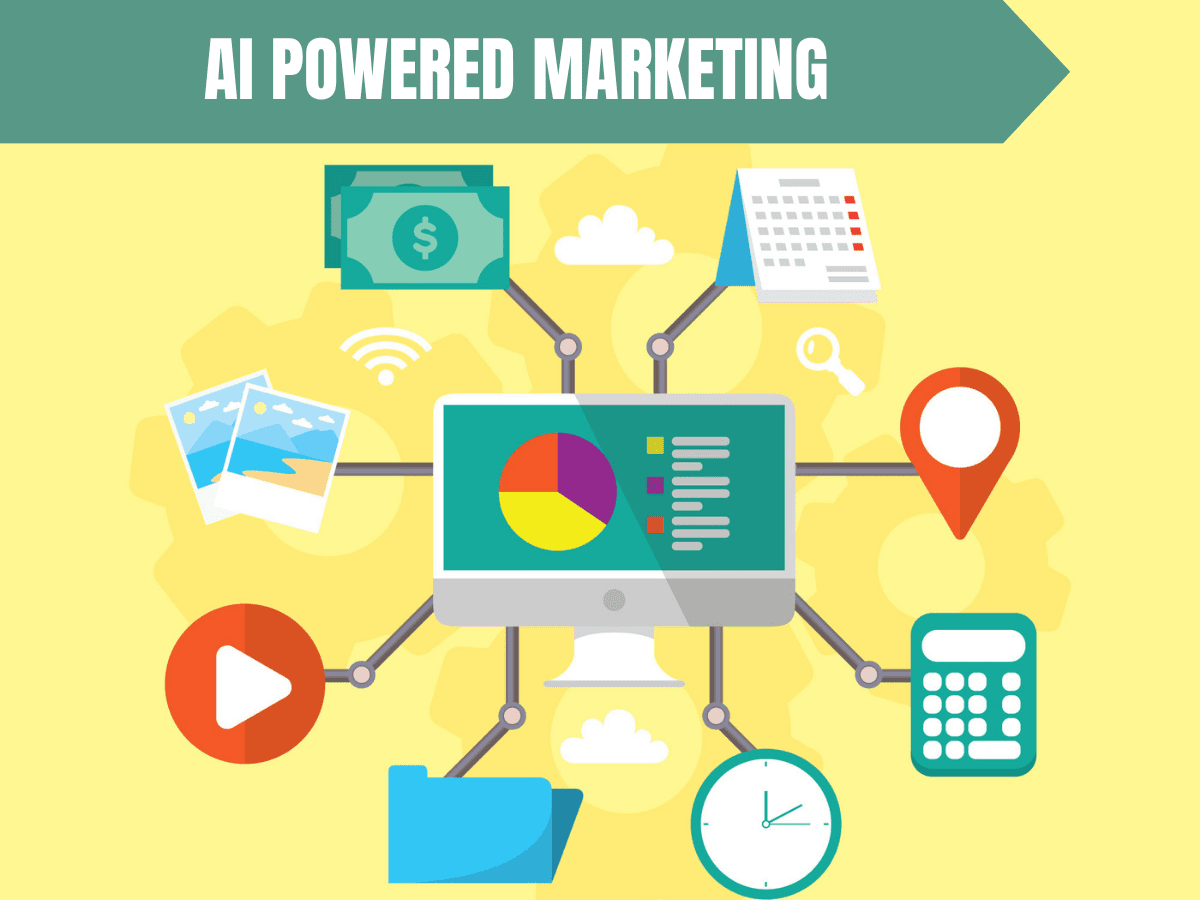
The popularity of AI is skyrocketing, and the field of marketing has been benefiting the most from it. With the help of artificial intelligence (AI), marketing is utilizing AI capabilities. This includes data collection, data-driven analysis, Natural Language Processing (NLP), and Machine Learning (ML) to gain customer insights and automate essential marketing choices. The technologies are being used to generate content, boost team efficiency, enhance customer experience, and deliver precise marketing outcomes. Around 72% of companies globally had adopted AI by 2024, which shows the widespread adoption of AI in businesses. The rise of generative AI has been particularly impactful for marketing departments.
Benefits of using AI marketing:
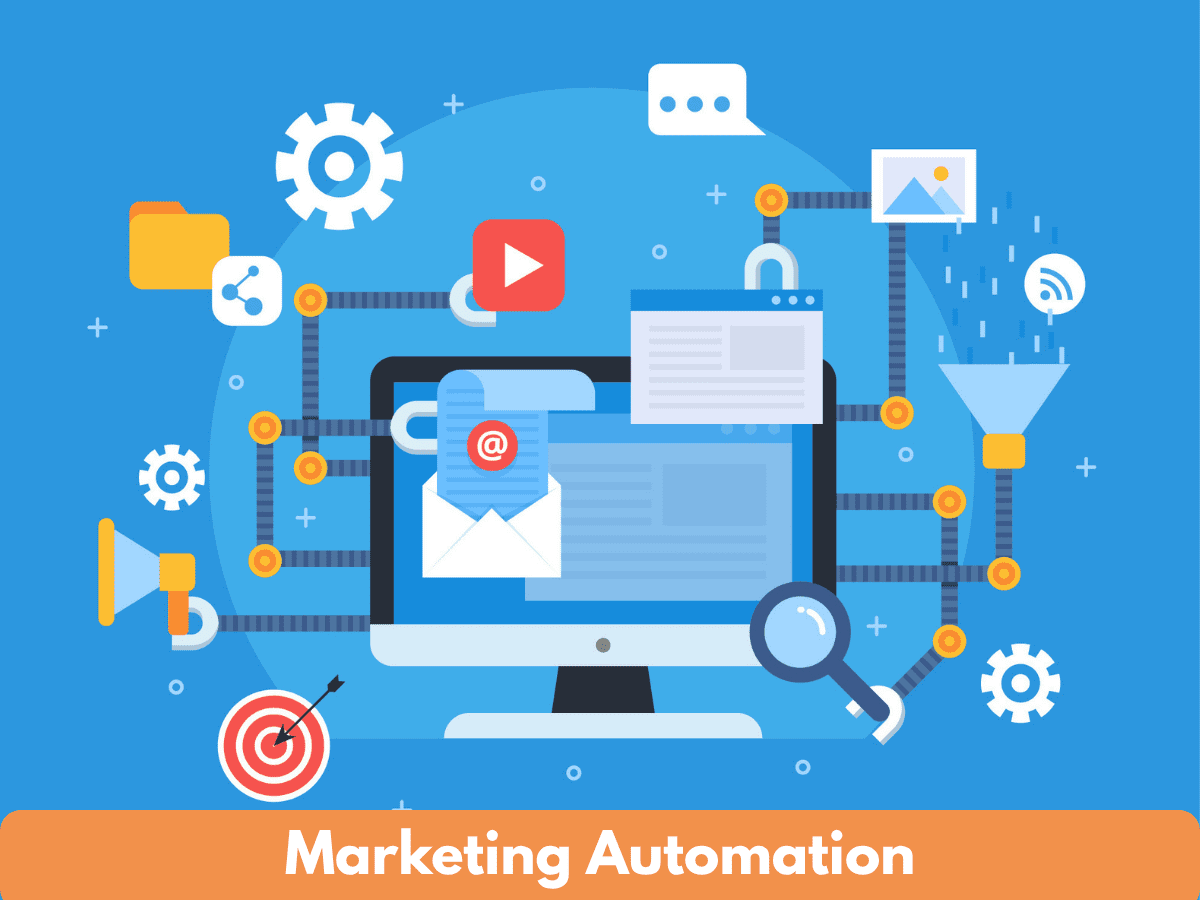
Marketing teams in this era are equipped with modern AI tools and cutting-edge technologies that impact their marketing tasks. By using AI marketing tools, businesses can now create AI marketing strategies and analyze data faster than humans. Listed below are a few benefits of using AI marketing;
- Smarter and Faster decision-making: Speed might be the key to achieving goals in a provided timeline, but so is accuracy. Because when you have a complex problem or a new opportunity, you cannot waste time arguing or guessing. Modern tools let you see real-time data instead of relying on gut feeling. This means managers can quickly check the facts and understand the immediate impact of an action. After that, they can decide on the best path forward in minutes and not weeks.
- Improved return on investment (ROI) on marketing initiatives: Marketing costs money. Businesses want every dollar spent to bring back more than a dollar in sales. With the help of analyzing customer data, businesses can stop running ads that do not work and spend more on campaigns that actually bring in sales. With the help of analyzing customer data, they can stop running ads that do not work for their target audience and spend more on campaigns that actually bring in sales. This cuts out wasted ad spend.
- More accurate measurements of KPIs: The scorekeeping metrics for businesses are the KPIs, like sales and volume, or customer retention rate. With this, the businesses know if their business is winning or losing. Advanced systems automatically collect and combine data from all parts of the business, like websites or customer services. This removes the chance of human errors and ensures everyone is looking at the same trusted number.
- Enhanced customer relationship (CRM) capabilities: A good relationship makes customers happy and more likely to buy again. A strong CRM system gathers all interactions with a customer through emails, support calls, purchases, and website visits into one profile. Customer service agents can give personalized help, and sales reps know exactly what the customer needs next. Every customer feels like they are being treated as an individual, which builds deep loyalty.
Best tools for AI marketing:
AI marketing tools are smart software that connect your existing marketing software and help achieve marketing goals in smart and efficient ways. They use powerful AI, like LLMs, to add a layer of intelligence to your work. To help you automate repetitive tasks and create new content much faster than before, without needing to be an AI expert. While these tools once used simpler computer algorithms, the new wave uses advanced LLMs to make automation much smarter and more capable. This is changing how marketing teams used to work, boosting their productivity.
Listed below are some of the AI tools:
- Jasper
- Surfer SEO
- Ocoya
- Grammerly
- Pictory AI
- Lately
- Otter AI
- Adzooma
- Tidio
- GrowthBar
Best practices for using AI in marketing:
With a wide range of AI tools to help grow businesses, marketers should know how to use AI in marketing effectively. Businesses need to focus on several crucial areas related to data and talent:
- Preparation and Data Quality: The AI’s results and decisions will be ineffective if the training data is flawed. This is because these systems are only as good as the information they learn from. So, the companies need to clean and standardize their datasets to ensure data accuracy.
- Robust Data Infrastructure: AI has the ability to move information quickly across different systems. The businesses need to build strong data pipelines and use cloud infrastructure to guarantee real-time data processing.
- Focused AI training: For a new marketing task, AI needs specific training just like new employees. This often requires a large amount of customer preference data. It sometimes also needs specialized data scientists. Leading companies are developing custom AI tools trained on datasets specific to their company or task, which boosts the technology’s performance.
- Strong Data Governance: Companies need to follow strict consumer data laws as AI uses personal customer data. A company’s reputation could be damaged if they do not comply with the regulations. Transparent practices about how AI is built and used are essential for building consumer trust.
- Monitoring and Optimization: Marketers need to define clear goals for AI solutions before launching. These AI tools need continuous monitoring and reviewing after deployment. They need to make sure that the tools are meeting the performance benchmarks that were established.
- Upskilling Employees: Training sessions and change management systems help employees adapt to new AI tools. This helps employees adapt to new AI tools, which maximise the effectiveness of technology and also help staff identify tasks that still require human judgment.
Conclusion:
AI marketing uses artificial intelligence technologies such as machine learning and natural language processing analytics to help businesses better understand their customers. It also helps automate tasks and make smarter decisions. With AI adoption increasing worldwide, marketing teams now rely on advanced tools to create content, analyze data quickly, improve customer experiences, and boost overall results. Tools like Jasper, Surfer SEO, Grammarly, and Pictory AI help teams work more efficiently and increase productivity. To get the most value from AI, businesses need clean and accurate data, strong data systems, proper AI training, and clear rules for using customer information. They also need to regularly monitor AI performance and help employees build the skills required to work confidently with these new technologies.
References:
https://www.marketermilk.com/blog/ai-marketing-tools
https://www.ibm.com/think/topics/ai-in-marketing
https://professional.dce.harvard.edu/blog/ai-will-shape-the-future-of-marketing